What changes when the ending is known
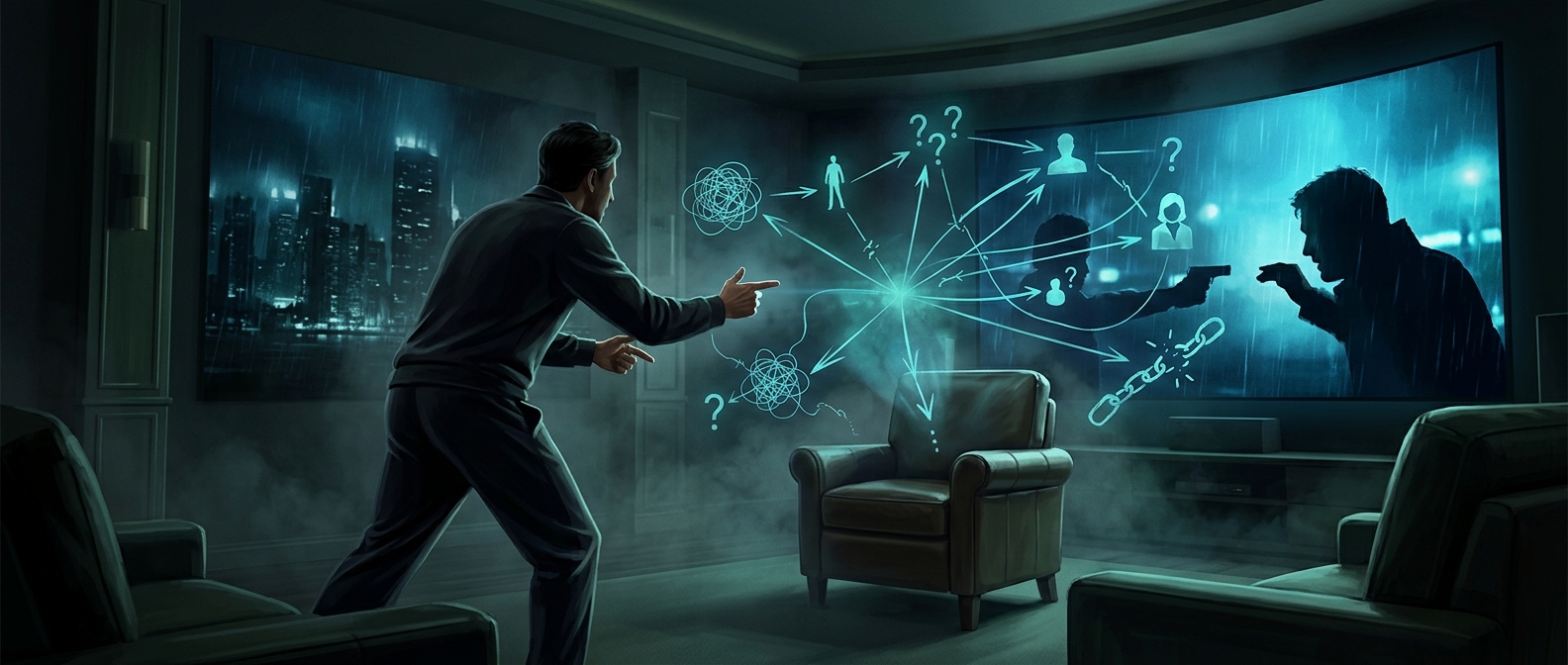
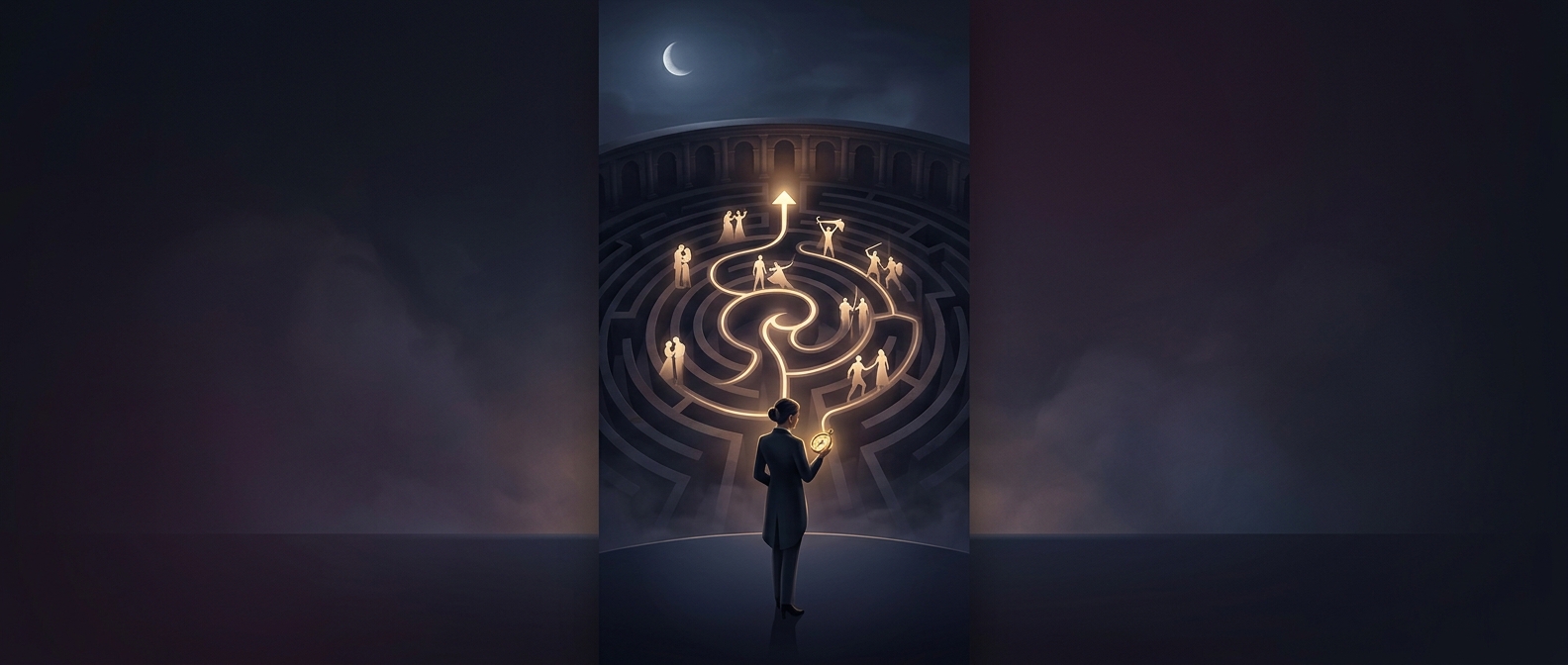
A story’s ending can act like a map. Once readers know where events lead, they may notice how earlier scenes point toward that destination: a casual remark becomes a clue, a delay builds tension, or a character’s choice takes on new meaning. The pleasure shifts from asking “What happens?” to seeing how the story makes it happen.
Suspense is not the only reward
Surprise depends on uncertainty, but stories offer other kinds of engagement. Dramatic irony occurs when the audience knows something a character does not. That gap can make an ordinary conversation tense: viewers watch the character move toward a danger they already recognize. Knowing the outcome can also make a second viewing more attentive to pacing, foreshadowing, and the choices that make the ending feel earned—or inevitable.
This does not mean every spoiler improves every story. A mystery built around a single revelation may lose much of its intended effect if that revelation is given away. But in many narratives, the destination is only one part of the experience. The route matters too: the small decisions and details that look different once the ending is in view.