Knowing the ending can change what you enjoy
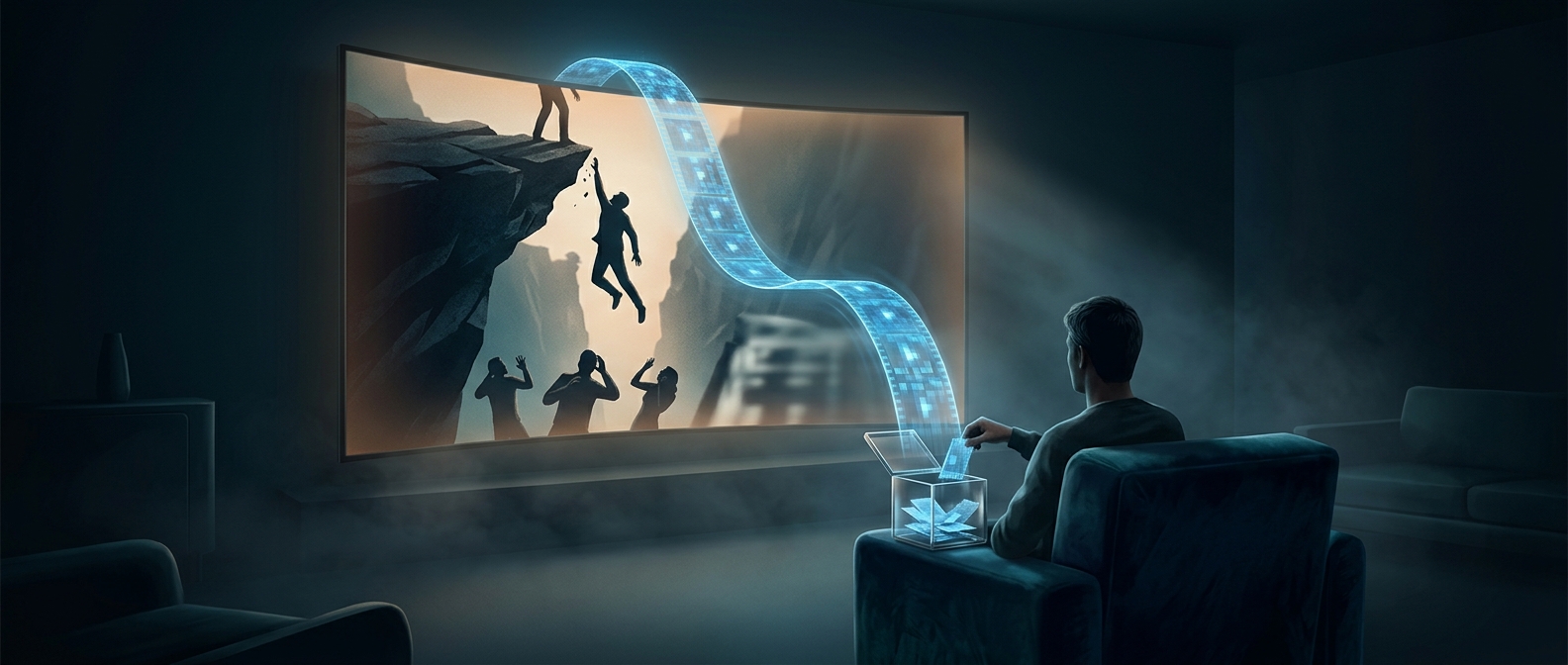
A spoiler removes one kind of pleasure: the uncertainty about what will happen. But uncertainty is only one reason people watch a story. Once viewers know the outcome, they can follow how the plot gets there—spotting clues, noticing a character’s choices, or appreciating how a scene’s meaning changes in hindsight.
Psychological research on stories has found that advance knowledge does not reliably make an experience less enjoyable; in some experiments, people have even preferred versions whose endings were revealed. One explanation is processing fluency: when the outcome is known, events can feel easier to follow, and that ease can add to enjoyment. A revealed ending may also build anticipation—not “What happens?” but “When will it happen, and how?”
The cost depends on the kind of suspense
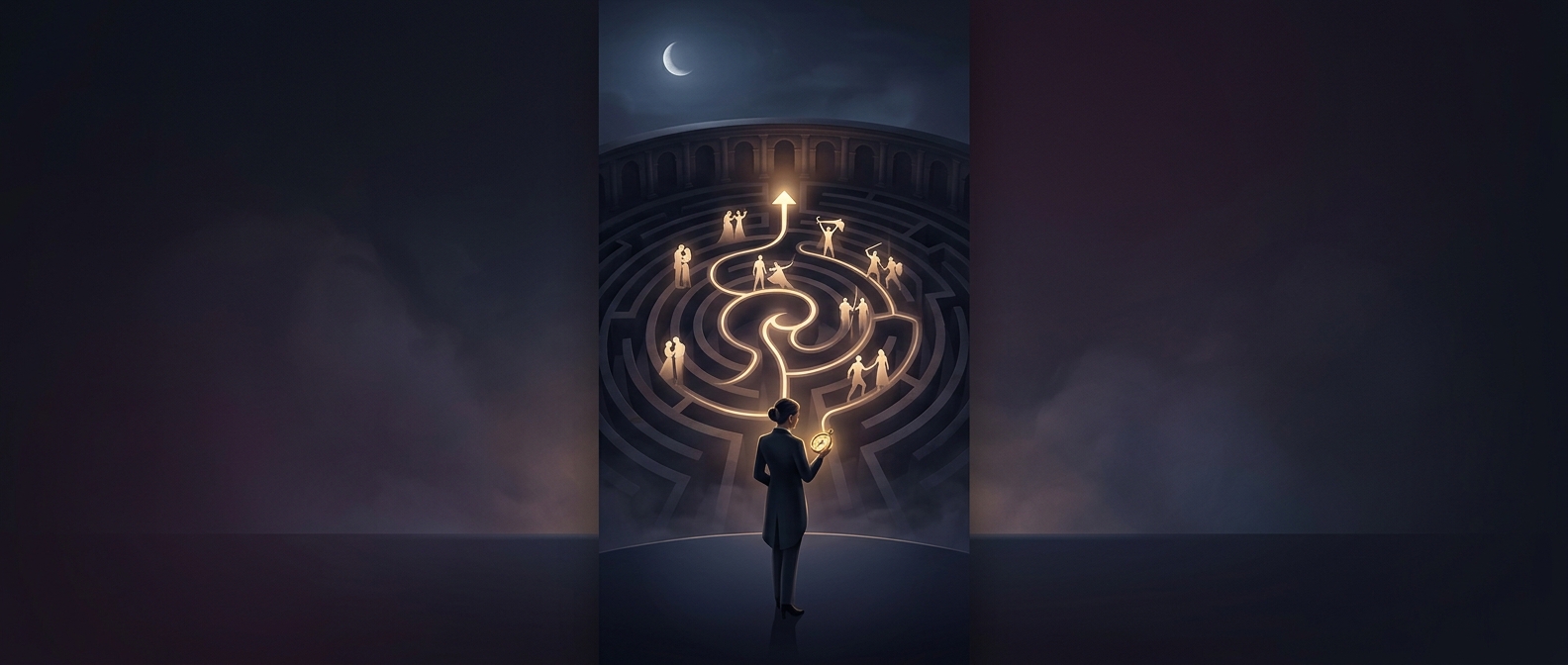
Not all surprises do the same work. A mystery often depends on withholding information, so revealing the culprit can remove a central puzzle. In a character drama, the ending may matter less than watching relationships and decisions unfold. Even when the destination is known, the route can remain compelling.
That does not mean spoilers never disappoint. A viewer who especially values surprise may lose something important, and a reveal can alter the emotional timing a filmmaker carefully arranged. Research findings about stories also cannot predict every person’s reaction to every movie.
The practical distinction is between losing the suspense of not knowing and losing the pleasure of watching. A spoiler can take away the first without taking away the second—and may give some viewers more to notice along the way.