Suspense needs room for a question
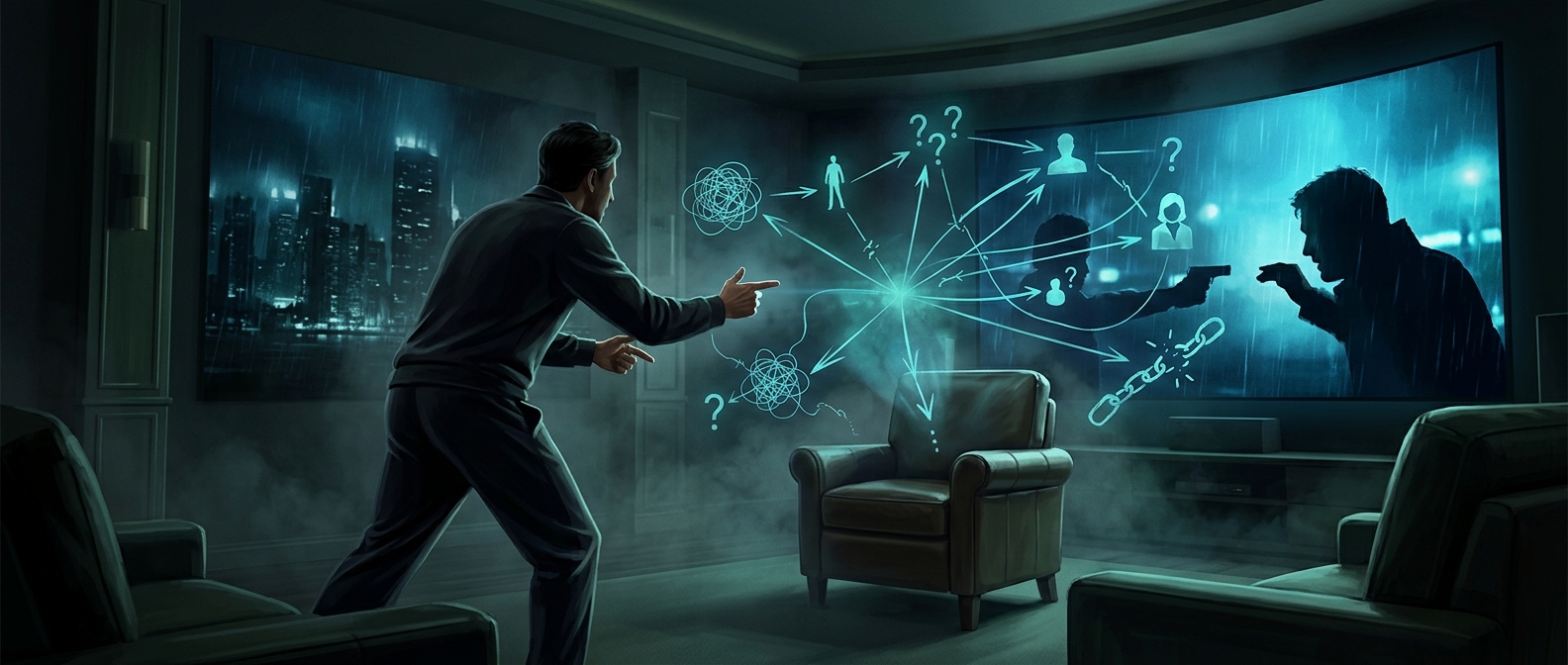
A dramatic twist does more than reveal what happened: it leaves something unresolved. Who is in danger? What is the character hiding? How will the others react? Suspense grows as viewers hold those questions in mind and imagine possible answers. When an episode ends at a turning point, the pause gives those guesses time to take shape.
That pause is part of the storytelling experience, even when nobody planned it as such. Viewers may replay a clue, argue over a character’s motives, or make predictions with friends. Each possibility keeps attention fixed on what might happen next.
Bingeing closes the gap
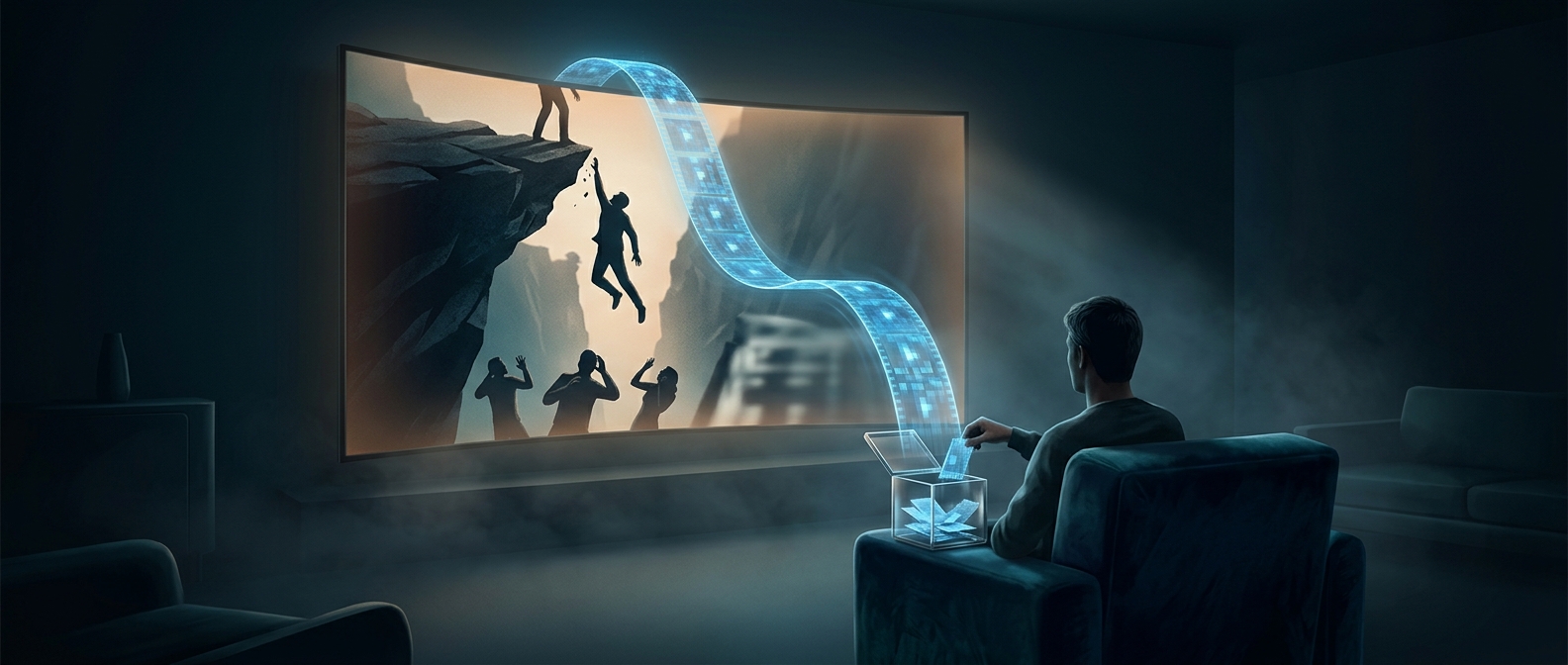
With another episode ready to play, the answer may arrive before viewers have much chance to sit with the question. A new reveal replaces speculation with fresh information, so the story’s tension can feel more like a rapid sequence of surprises than a prolonged wait for resolution. Watching together can also change: instead of pausing to compare theories, friends may simply keep watching.
This does not mean binge-watching removes every kind of suspense. A scene can still be tense, and an episode can still end on a cliffhanger. But the longer suspense that builds between installments has less time to develop. A week’s wait can turn one unanswered question into a shared conversation; a few seconds may turn it into the next plot point.