A Plot Hole Makes the Brain Recheck the Story
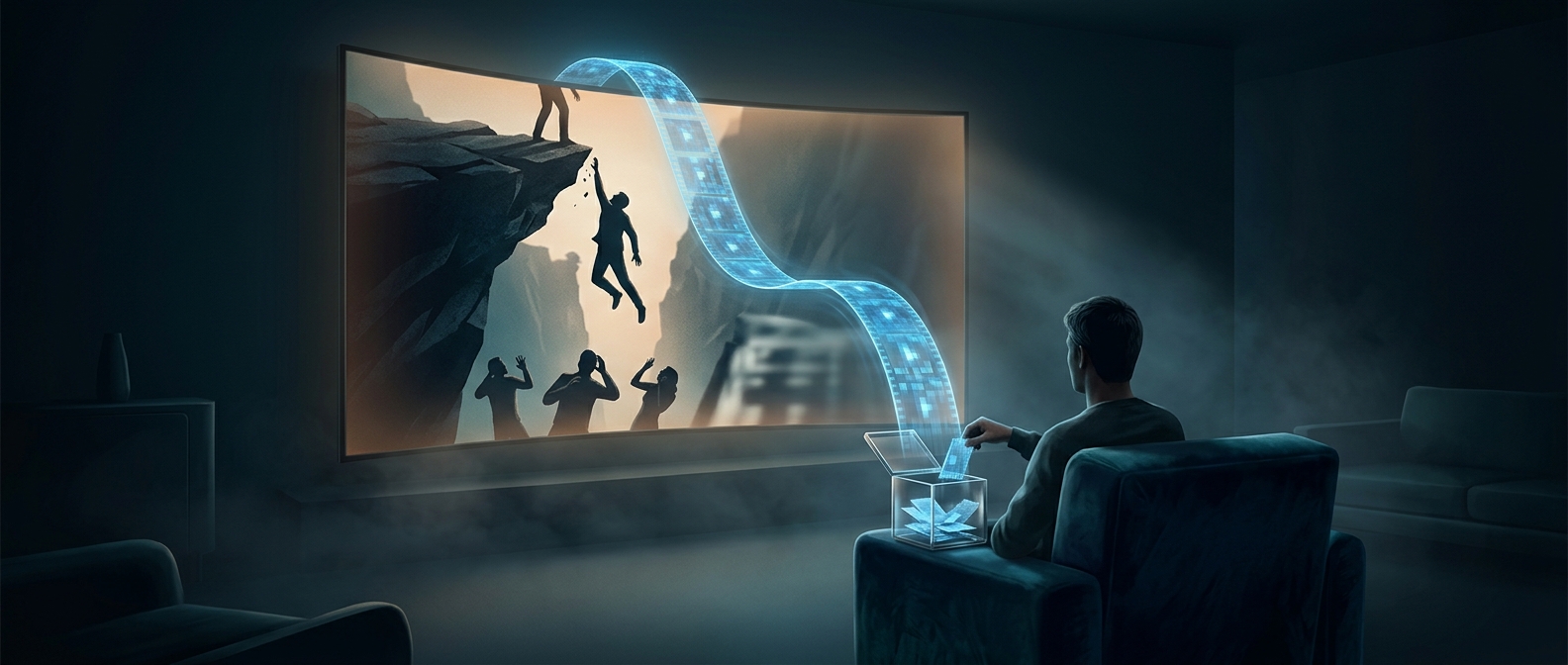
While watching a film, you’re doing more than taking in images and dialogue. You’re building a running model of what is happening: who knows what, how the world works, and what might happen next. The movie supplies clues, and you use them to make predictions—even if you aren’t consciously trying to solve the plot.
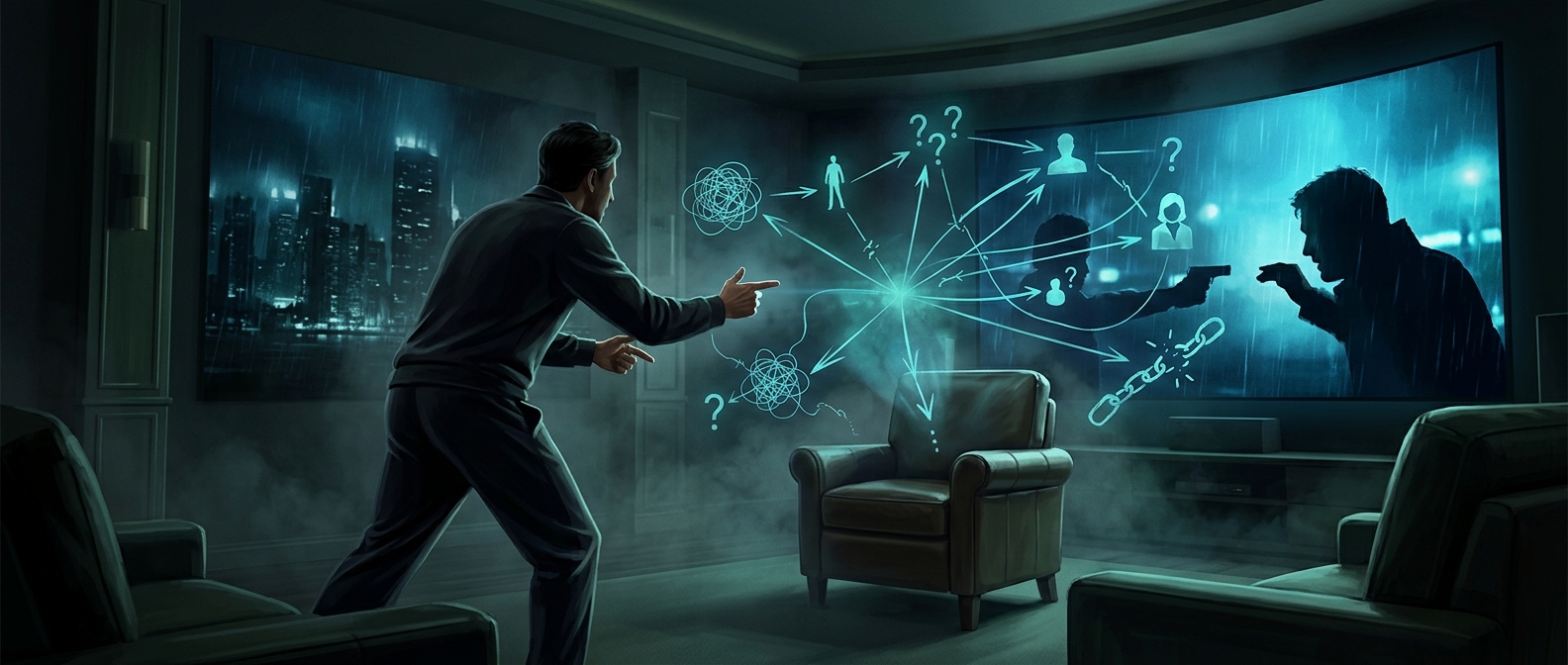
A contradiction can make that model stop fitting. If a character suddenly knows something they never learned, for example, you may have to look back mentally for an explanation. Instead of following the scene’s danger or emotion, you’re checking the story’s bookkeeping.
Suspense Depends on Trusting the Setup
Suspense works when viewers accept the film’s rules and care about what could happen within them. A looming threat feels urgent if the character’s choices and the danger make sense. A plot hole can weaken that urgency by raising a different question: “Wait, how is this possible?”
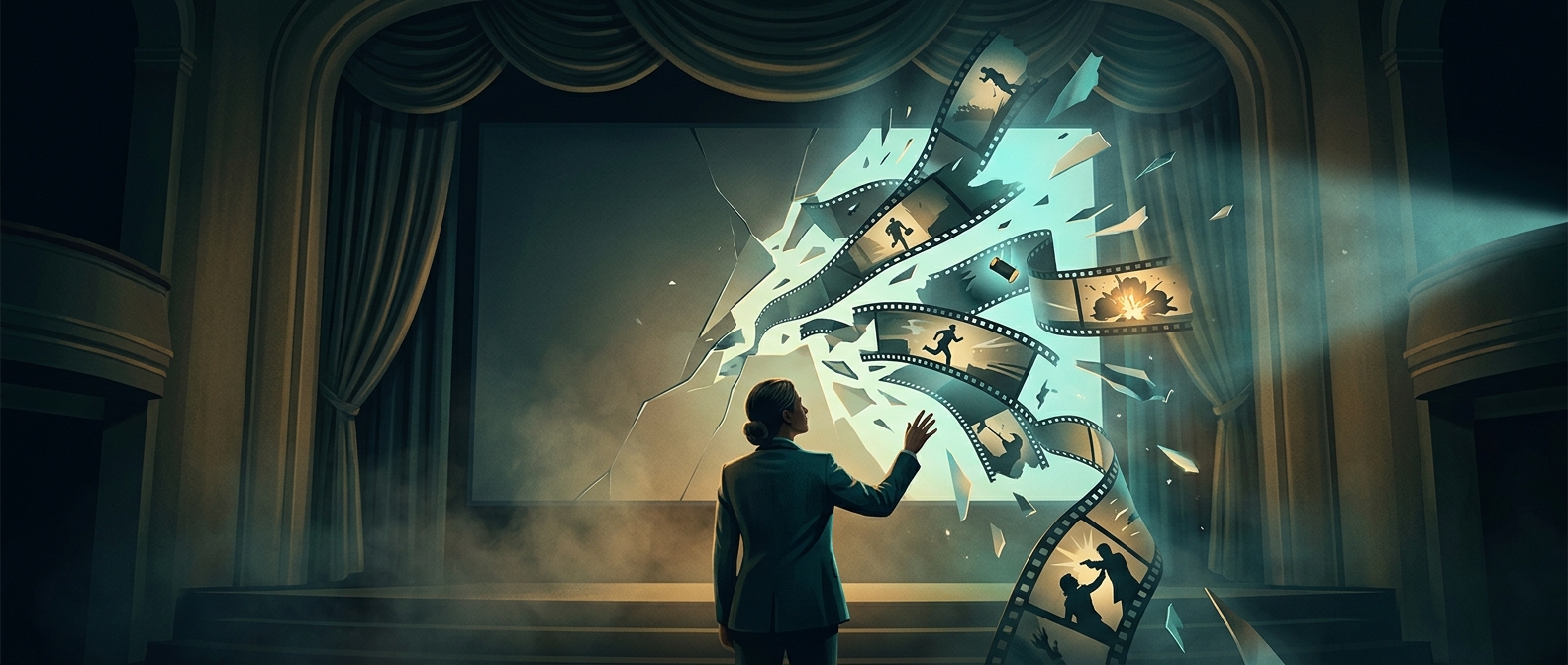
That shift is especially noticeable when the inconsistency affects a major decision or changes what the audience thought was at stake. A small continuity slip may pass unnoticed; a flaw that undermines the central problem is harder to set aside. The interruption isn’t simply about spotting an error. It’s about the story briefly demanding attention as a puzzle when it had been holding attention as a drama.
Writers and editors therefore have to protect more than factual consistency. They need to make the chain of cause and effect clear enough that viewers can keep anticipating what comes next. When that chain holds, the audience can stay with the character; when it snaps, even for a moment, the film has to earn that attention back.