The harmless scare that makes the next one hit harder
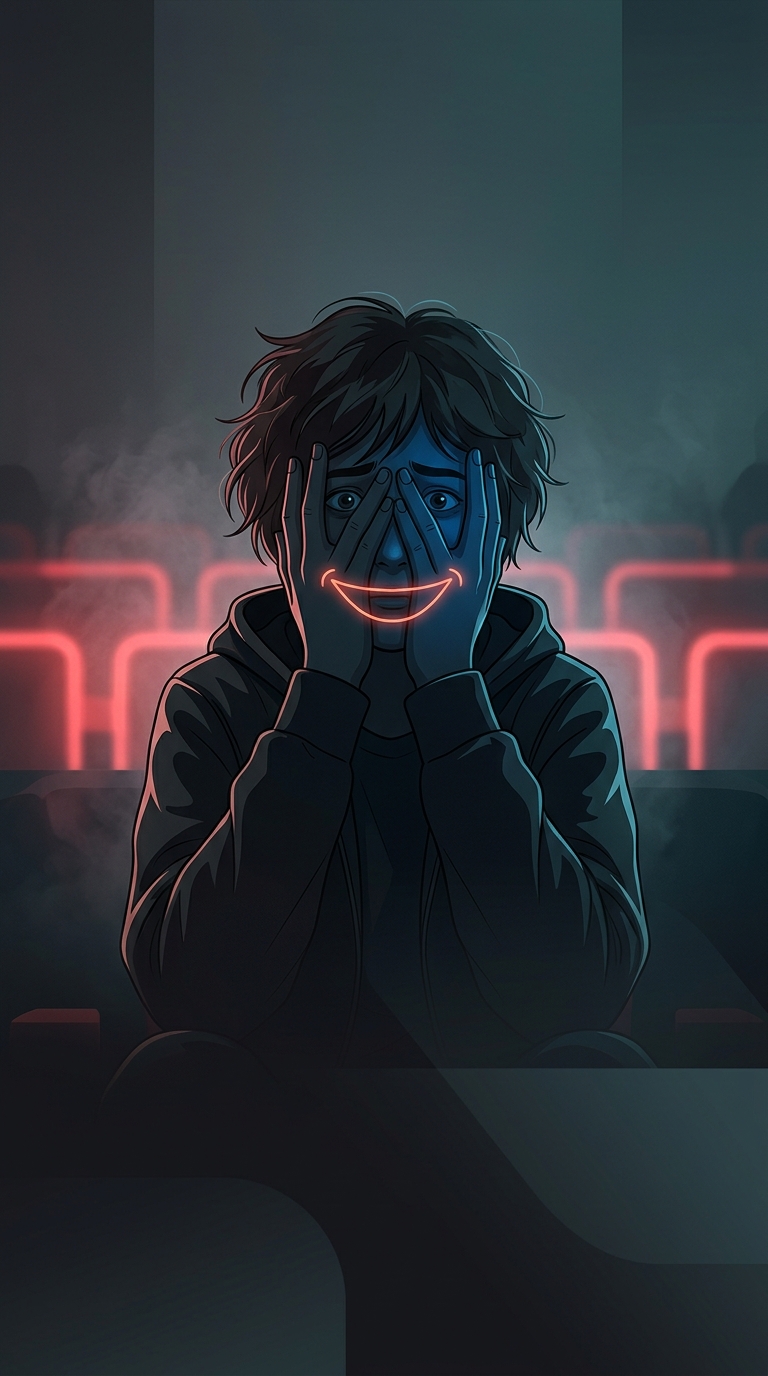
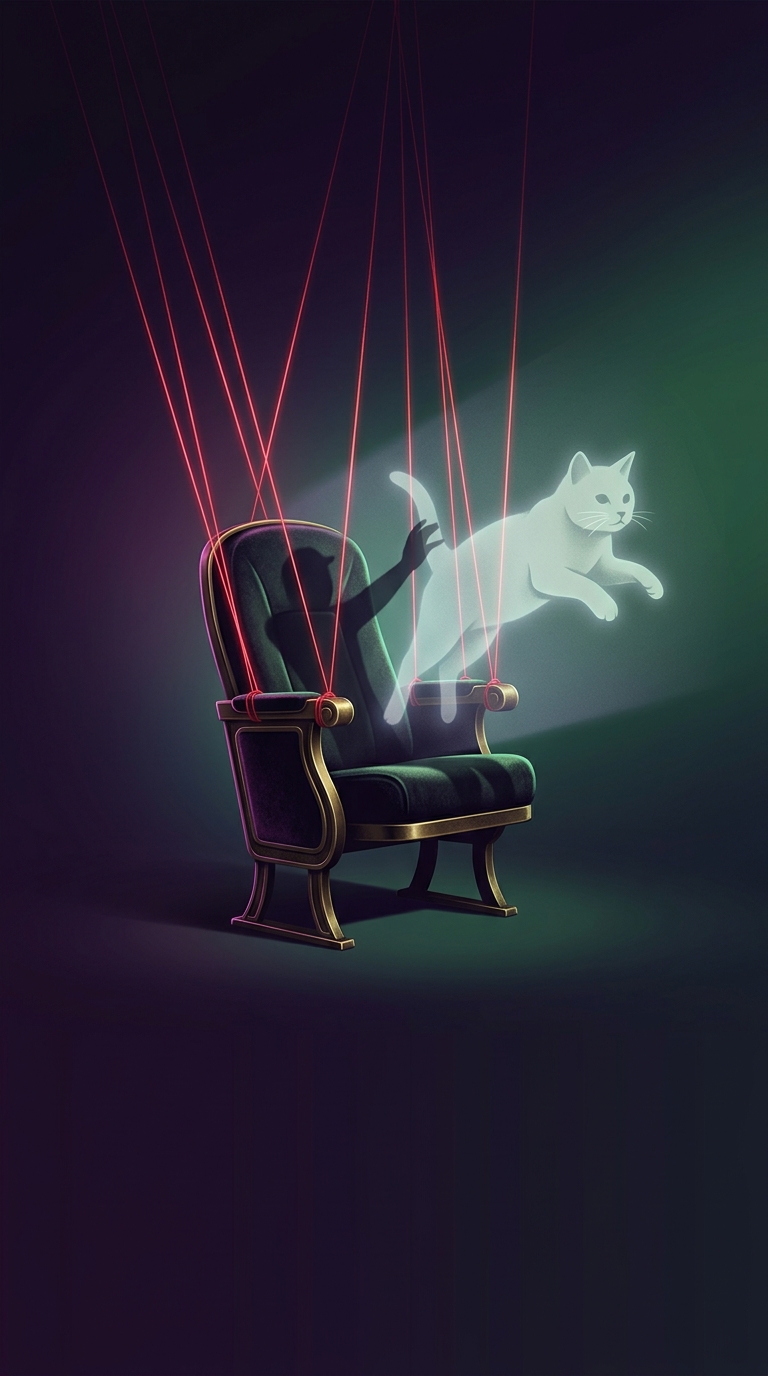
A fake-out jump scare is a deliberate alarm with no real threat behind it: a cat bursts from a closet, a door slams, or a figure turns out to be a coat on a hook. The moment is harmless, but the audience’s startle is real. A sudden movement or loud sound can trigger a quick defensive reaction before the viewer has time to decide what caused it.
Suspense comes from the wait
The scare begins before anything jumps out. A film may hold on a dark doorway, slow the music, or let a character approach a place the viewer already suspects is dangerous. Those choices focus attention and encourage the audience to predict what is coming. The harmless reveal breaks that tension, and the viewer’s relief creates a brief lull.
That lull is useful. Once viewers have been startled and then reassured, they may relax their guard—or expect the next warning to be another trick. A real threat arriving after that reset can feel especially abrupt. The fake-out is therefore less a scare on its own than a way to shape the timing of the scare that follows.
A simple tool for controlling rhythm
A filmmaker can create the effect with framing, timing, a sudden movement, and a sharp sound, without showing a monster or explaining its threat. Used repeatedly, though, the trick can teach viewers to distrust every quiet hallway and make the suspense feel mechanical. Its power depends on contrast: the cat is funny or relieving because danger seemed possible, and the next genuine scare matters because the film has first let the audience breathe.