A horror story built like a case file
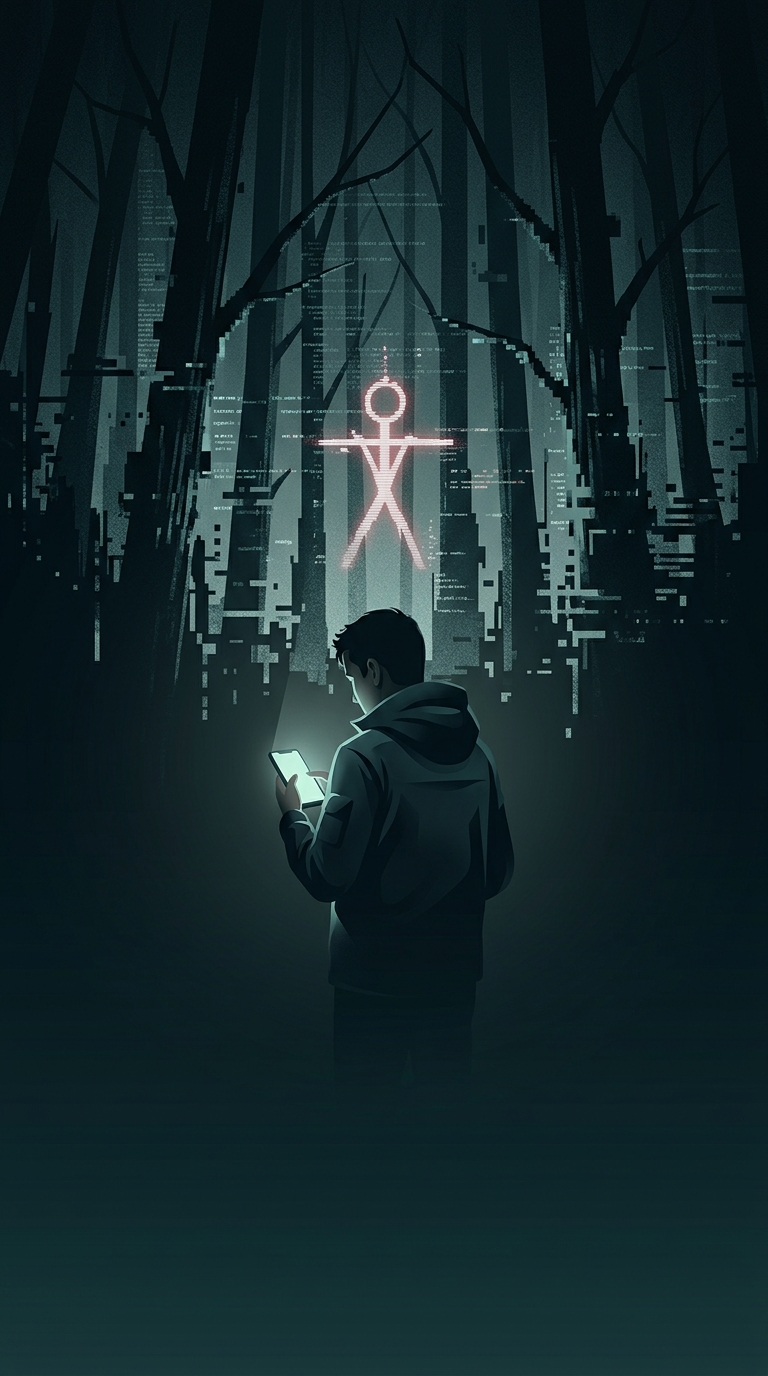
Before The Blair Witch Project reached theaters in 1999, its website treated the film’s fictional events as an unresolved disappearance. Visitors could browse mock police documents, local-history material, and other clues about the students who supposedly vanished in the woods. Instead of simply advertising a movie, the site invited people to investigate one.
That format mattered. A conventional trailer tells viewers, “Here is a story.” The website suggested, “Here is evidence—decide what happened.” Because the material was presented in familiar documentary forms, the boundary between promotion and the film’s invented backstory could feel less obvious, especially to people who encountered the campaign before seeing the movie.
The internet made the audience part of the pitch
The campaign arrived when the web was still new enough that many people were unused to encountering elaborate fictional worlds online. Curious visitors could follow links, compare details, and pass the site along. That turned a low-budget film’s limited resources into an advantage: it did not need expensive spectacle to create a sense of scale. It needed viewers to wonder whether the story might be true.
The film itself strengthened the effect by using handheld footage and relatively unknown actors. The website and the movie reinforced each other: the site supplied a fictional context for the footage, while the rough, improvised look of the footage seemed to support the site’s claims. The campaign did not make every viewer believe; it made uncertainty part of the experience.
Promotion became part of the horror
This approach helped audiences arrive at the theater already invested in solving a mystery. It also showed how online marketing could function as storytelling rather than just an announcement. The memorable trick was not a single fake document. It was making the audience do the work of connecting the documents to the film—and carrying that uneasy question with them into the woods on screen.