An unseen monster leaves room for a real reaction
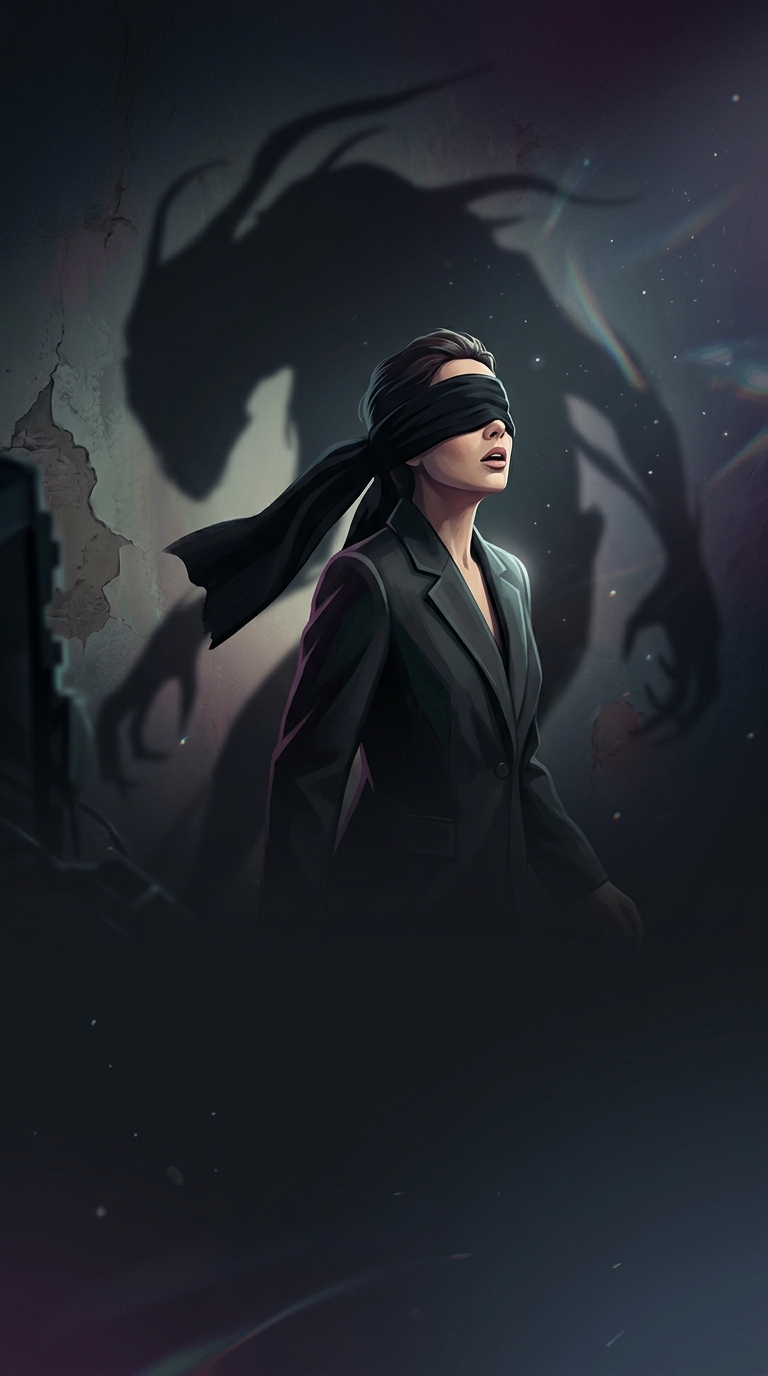
When actors do not know exactly what is waiting in the shadows, a director can capture uncertainty instead of a rehearsed response. A sudden movement, a scream, or a backward stumble may feel more immediate if the performer is reacting to sound, motion, or a partial glimpse rather than a fully familiar creature.
That does not mean the cast has no idea what the scene is about. Actors may know the monster’s role and where it is supposed to appear while being kept from seeing its finished design. The director is controlling the timing and amount of information, much as the film will later do for its audience.
The camera can hide what the set cannot
On many productions, the creature is not fully present during filming. It may be added with computer effects, represented by a stand-in, or shown only in pieces. A director can have an actor look toward a marked spot, react to a noise, or follow a moving object. The precise target of the actor’s gaze is called an eyeline; keeping it consistent helps the imagined threat seem to occupy the right place in the finished shot.
Even when a physical creature is used, revealing it too early can change how performers play the scene. Once actors know its size, shape, and movements, they may anticipate each beat. Delaying the reveal preserves surprise and can keep the performance focused on what the character can perceive in that moment.
Withholding also protects the audience’s view
The choice is partly about performance and partly about suspense. If the cast encounters only fragments—a sound behind a door, a shape crossing the light—the filmmakers can build the scene around the same limited clues the viewer receives. The monster’s full appearance can then arrive as a designed event, not simply another object on set.
The result is a useful split: the crew may know exactly how the effect will work, while the actors and audience experience it in carefully controlled pieces.