Why Chocolate Syrup Worked on Camera
The dark liquid in Alfred Hitchcock’s Psycho was Bosco chocolate syrup. Because the 1960 film was shot in black and white, a red stage-blood mixture had no special advantage: the camera recorded brightness and contrast, not color. Chocolate syrup gave the image a dark, bloodlike tone and was thick enough to cling to skin and move visibly with the water.
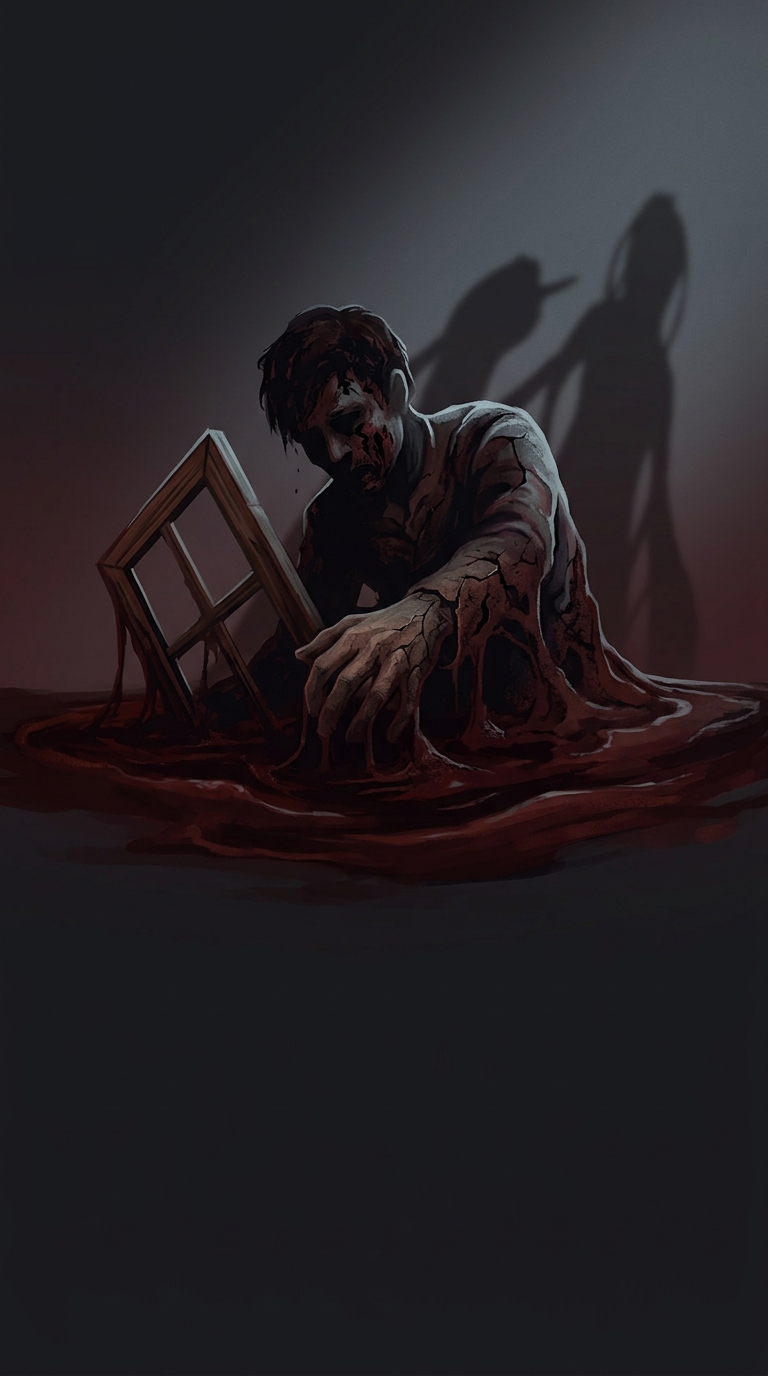
That texture mattered in the drain shot. Thin liquid would have vanished quickly into the running shower water; syrup left a dark trail that the camera could catch as it spiraled away. The practical substitute became part of the scene’s visual effect, helping make a small amount of liquid read as something much more disturbing.
Horror Built From Fragments
The scene’s impact did not depend on showing a graphic wound. It was assembled from brief, tightly framed images—water, the knife, the victim’s body, and the drain—cut together so viewers infer violence that the camera never plainly depicts. The syrup supplied a convincing dark mark within that fragmented sequence, while the editing let the audience’s imagination fill in what was withheld.
The memorable detail is how ordinary the effect was: a pantry-style topping, chosen for how it looked and flowed on monochrome film, helped make one of cinema’s most unsettling images.