Why the blood became part of the workday
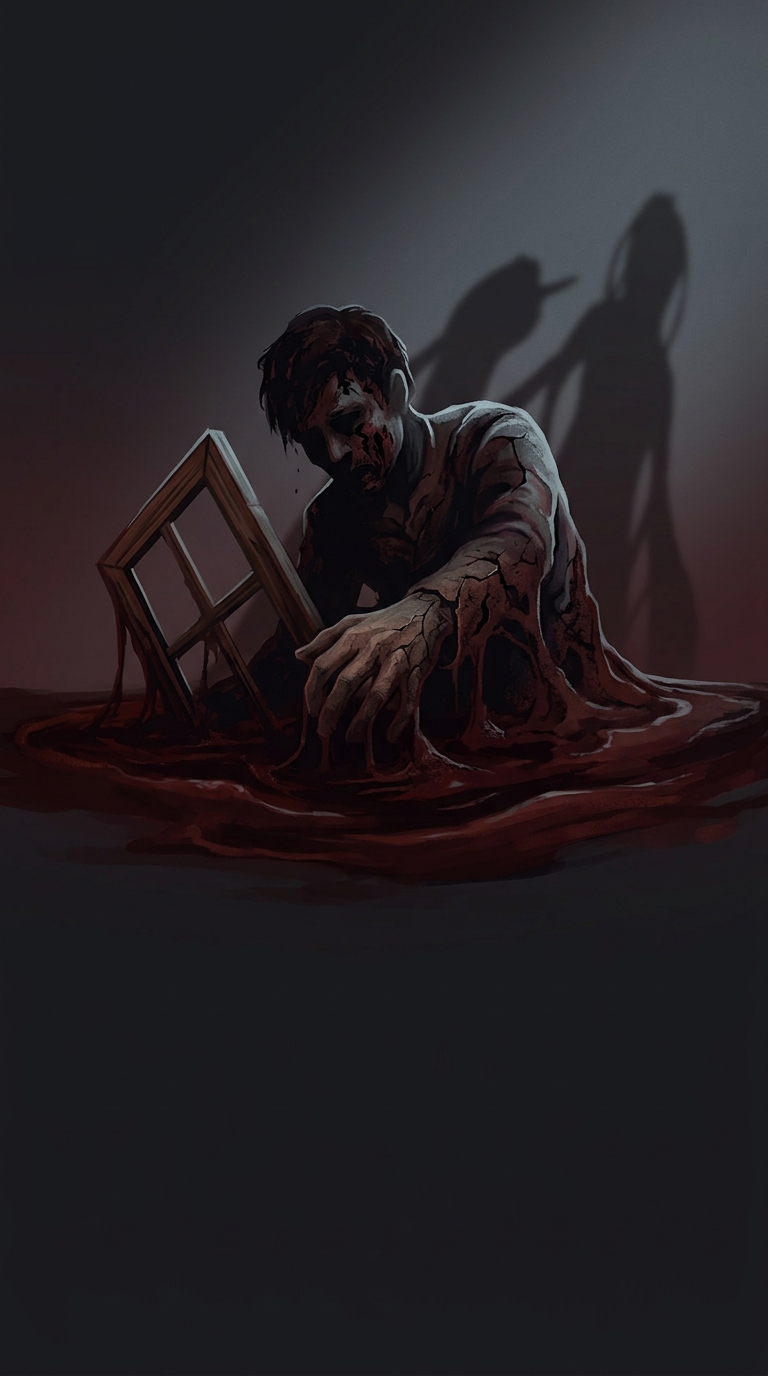
The original Evil Dead was made on a small independent production, where a practical effect often meant putting the material directly on an actor and filming it in place. The syrup-based fake blood was useful because it looked wet and clung to skin on camera. That same stickiness made it unpleasant off camera: once it dried, removing it took more than a quick wipe.
A scene could require repeated takes, and the blood had to look consistent from shot to shot. That meant Campbell could not simply clean up between attempts and start fresh. The effect that helped sell a gruesome image also extended the time he spent wearing it.
The location shaped the discomfort
An abandoned cabin offered the film a suitably isolated setting, but it lacked the ordinary facilities that make a messy shoot manageable. Without running water nearby, cleanup became a logistical problem rather than a routine break. Getting from the set to somewhere he could wash meant leaving the location still coated in the material.
That contrast captures a practical constraint of low-budget filmmaking: a scene may look controlled on screen even when the crew has limited ways to manage cold, mess, or resets. For the actor, the effect did not end when the camera stopped; the ride away from the cabin was part of the day too.