How The Blair Witch Project turned the woods into a pressure cooker
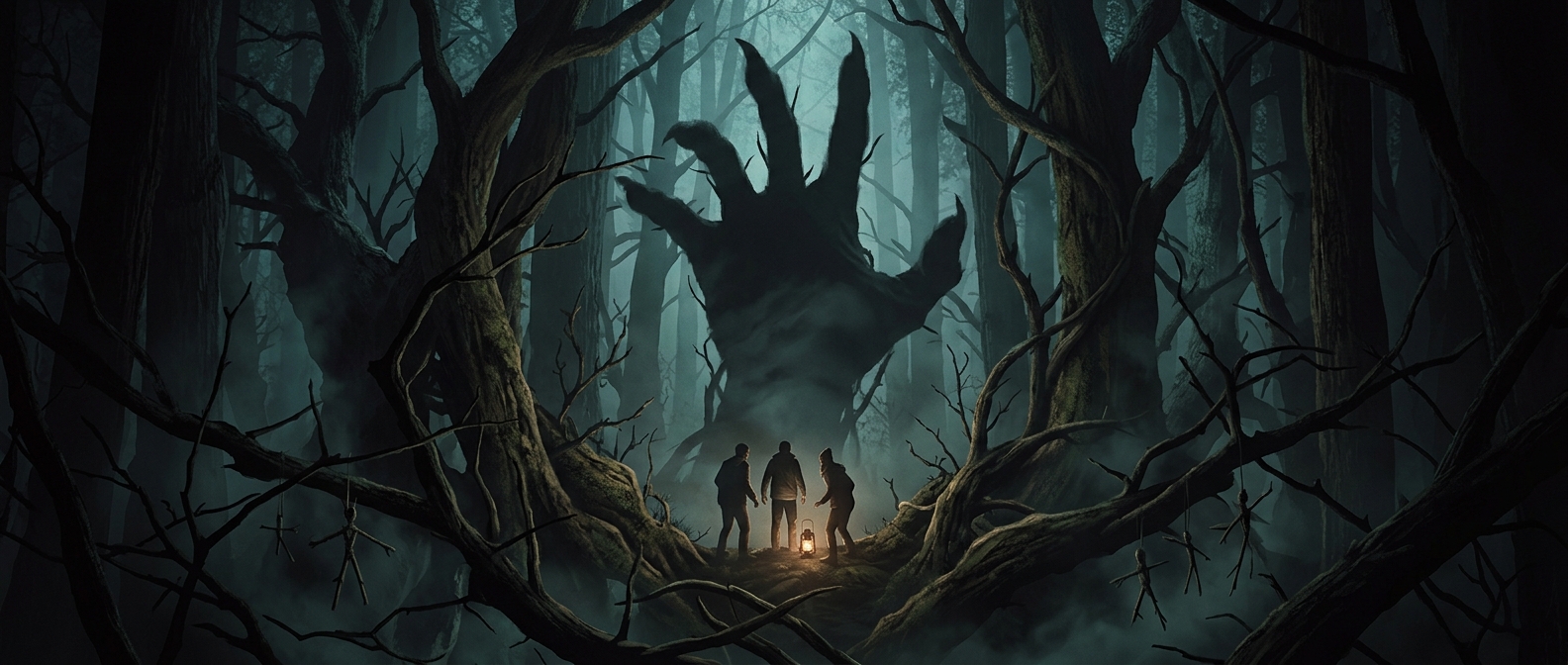
The directors did not rely only on eerie props or scripted scares. They kept the three actors apart from the crew and from one another’s expectations, then used real discomfort and uncertainty to shape their performances. Among the tactics, crew members made noises outside the actors’ tents at night and sometimes shook them while the actors were trying to sleep.
That intrusion mattered because the actors were filming in the woods as fictional characters who believed they were being hunted. Rather than announce a scare and ask for a frightened reaction, the directors let the actors experience a jolt first. Fatigue and the inability to predict what would happen next made the fear harder to switch off between takes.
Notes instead of a conventional script
The production also gave the actors directions through small notes hidden in film canisters, guiding them toward the next part of the story without spelling out every moment. The film’s improvised dialogue and handheld footage made those reactions usable: startled pauses, arguments, and shaky camera movements could feel like events unfolding rather than scenes performed for a conventional movie crew.
The method blurred the line between acting and genuine stress, but the fear on screen was still shaped by filmmaking choices. The directors controlled the situation; the actors supplied the unscripted reactions. That combination helped make a low-budget horror film feel less like a polished production and more like footage from a frightening night in the woods.