When ordinary life takes on a camera’s script
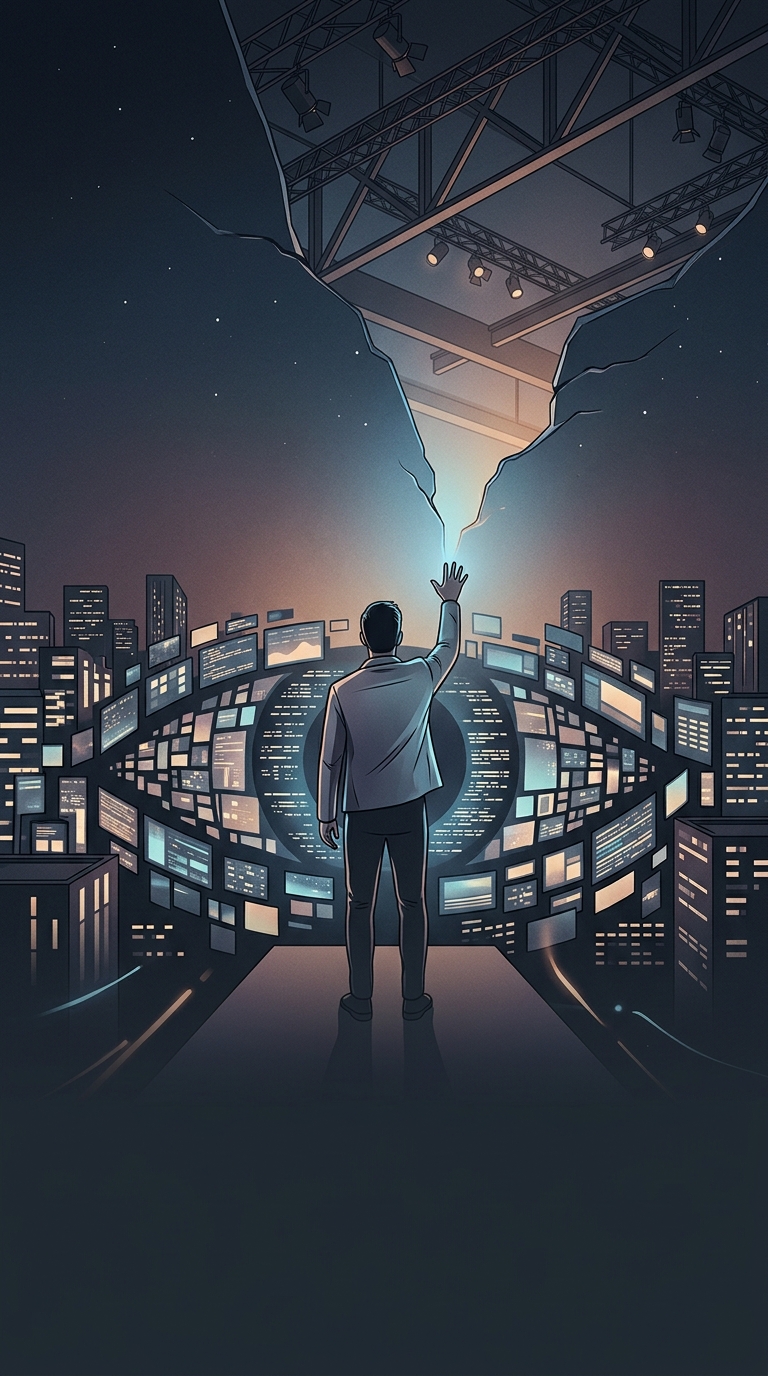
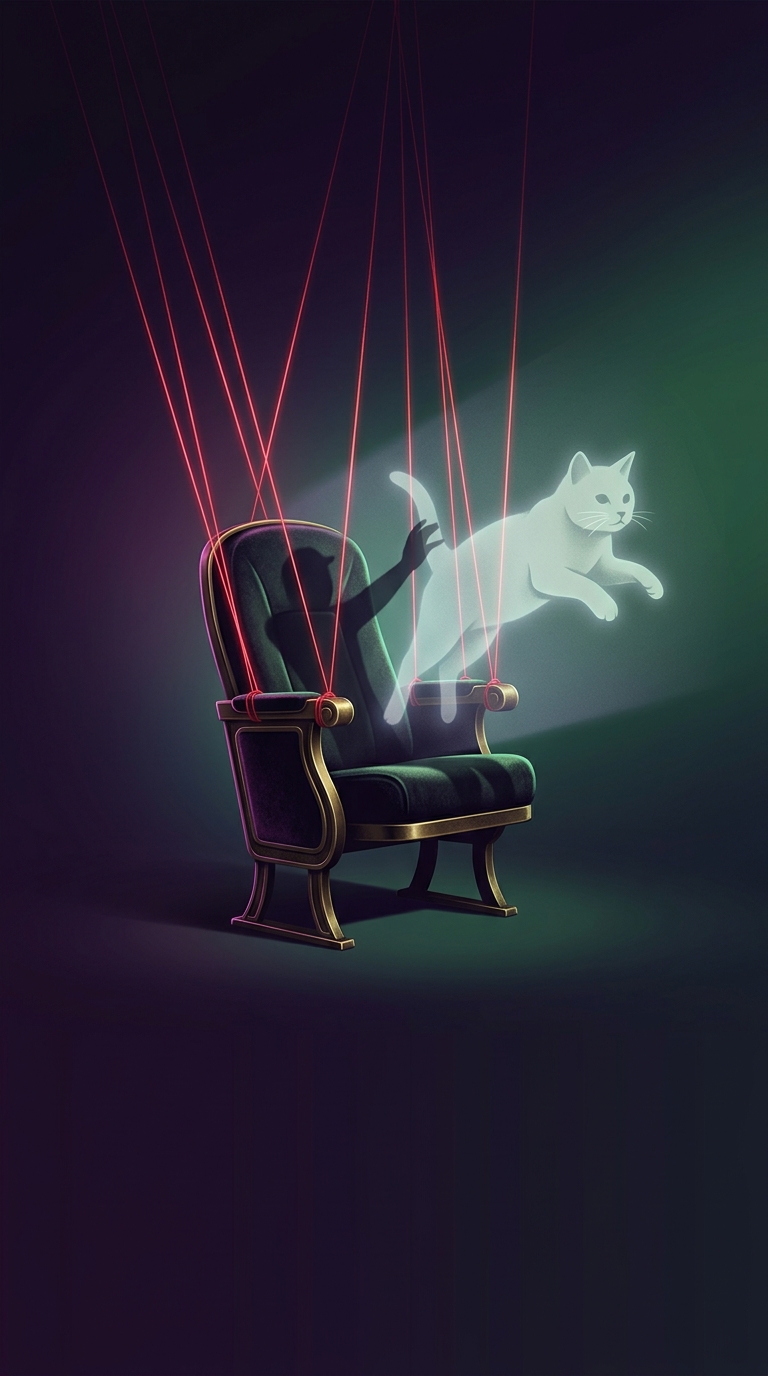
The “Truman Show delusion” is a name clinicians have used for a rare kind of fixed false belief: someone becomes convinced that their life is being staged and watched, as in the 1998 film The Truman Show. The label entered psychiatric discussion in the late 2000s, after doctors described patients whose beliefs followed that premise.
The name is descriptive, not a separate formal diagnosis. A clinician would assess the person’s experiences and circumstances rather than diagnose someone from this belief alone. The film gives the idea a memorable shape, but it does not explain why a person develops it.
How the belief can make sense from the inside
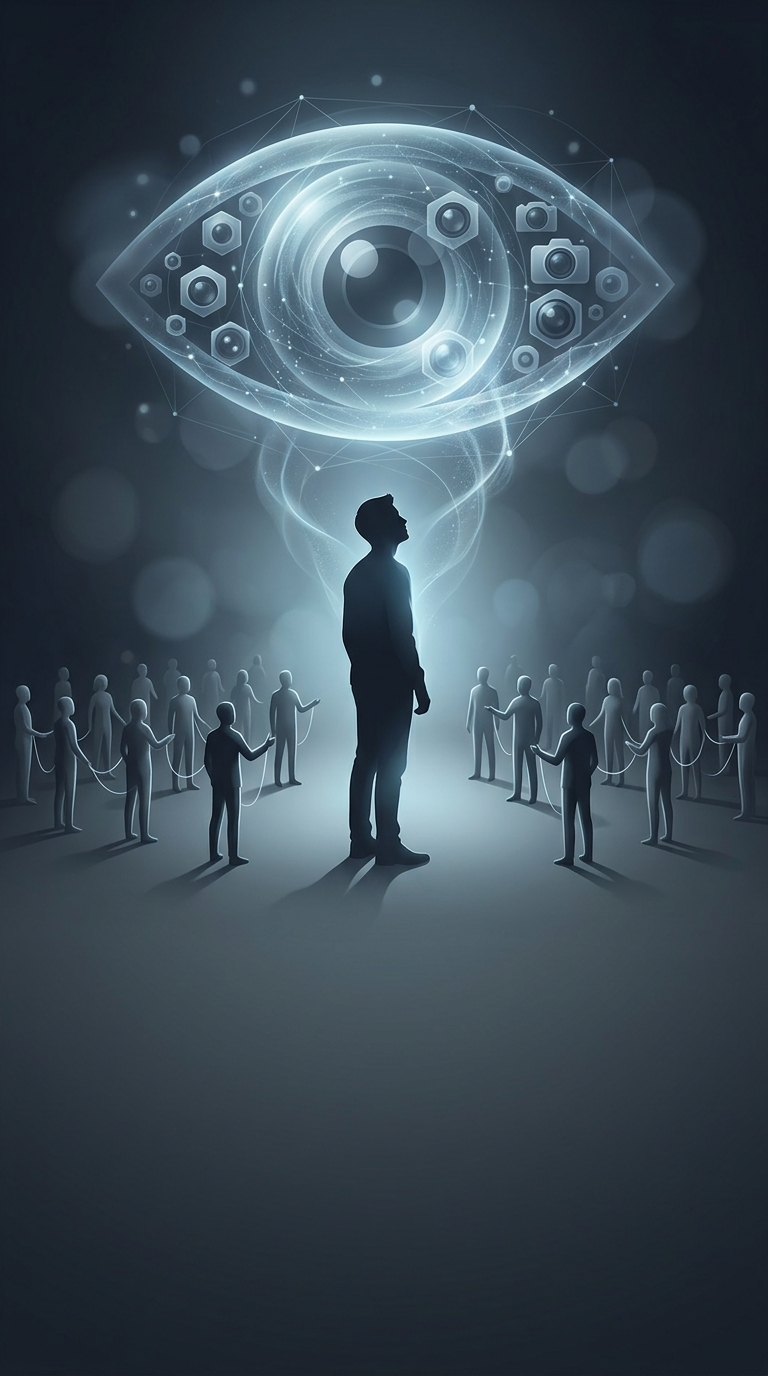
A delusion is more than a passing suspicion or an imaginative comparison. It is a belief held with strong conviction even when other people offer explanations or evidence against it. In this case, everyday events can acquire a private meaning: a stranger’s glance, a conversation that stops, or an unexpected coincidence may seem like a cue deliberately arranged for an audience.
Once that interpretation takes hold, the story can absorb apparent contradictions. Friends’ reassurances may seem like part of their assigned roles; a camera or microphone may seem hidden in ordinary surroundings. The movie supplies a ready-made narrative for interpreting ambiguous moments, but the person’s conviction is a mental-health concern, not simply a fan taking a film too literally.
Why the cultural reference matters
A familiar story can give an unusual experience language that other people immediately recognize. That makes the term vivid, but it can also encourage the mistaken idea that everyone who feels watched shares the same condition—or that the film caused it. The useful distinction is between a passing fear and a persistent belief that shapes how someone interprets daily life. In practice, the film’s plot may become the explanation a person reaches for; it is not, by itself, an explanation of the underlying distress.