Why a Shine Makes a Creature Read as Alive
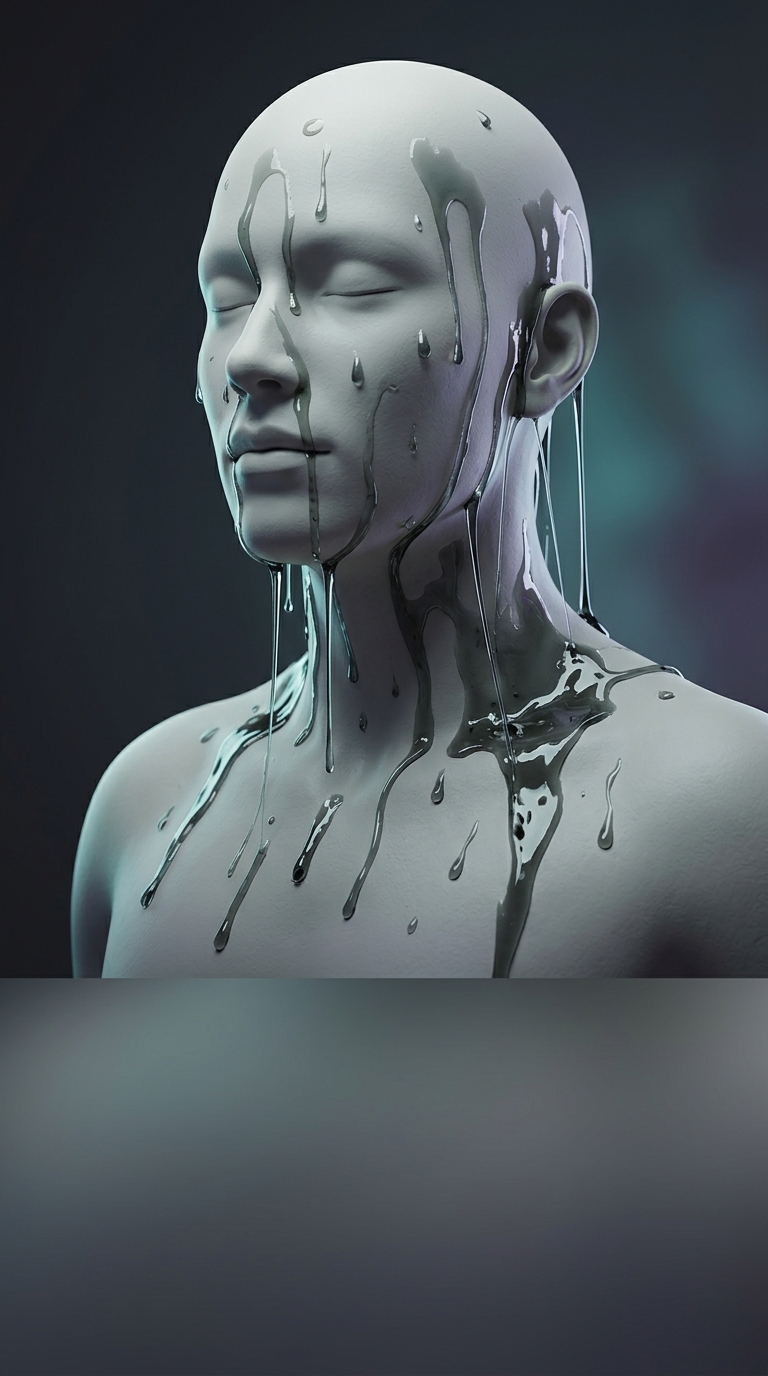
A glossy surface gives light something to catch. As a character moves, bright highlights slide across its skin, tracing curves and making the body’s shape easier to read. That matters in a dark or busy shot: a wet sheen can separate a monster’s silhouette from the background without outlining it artificially.
In computer graphics, artists control this effect through a surface’s roughness—how broadly or sharply it reflects light. A rough, matte material spreads highlights into a soft glow; a smoother one produces sharper glints. Add a thin, glossy layer over bumpy skin and the creature can look both textured and slick, rather than like polished plastic.
Wetness Carries a Story
Shine also works as shorthand. Viewers associate damp surfaces with mucus, sweat, saliva, or freshly exposed flesh, so a slick finish can make an unfamiliar creature feel bodily—and a little unsettling. It suggests that the organism is active, recently emerged, or not quite safe to touch. The effect is especially useful when the design has no familiar features, such as fur or ordinary skin, to make it feel biological.
That does not mean every digital beast needs slime. Too much gloss can erase surface detail or make a creature look like rubber. Artists often balance wet highlights with scales, pores, ridges, or patches of matte skin. The result is a practical visual compromise: the shine makes the anatomy legible, while the texture keeps it from looking like a toy.