When the Floating Candles Became a Safety Problem
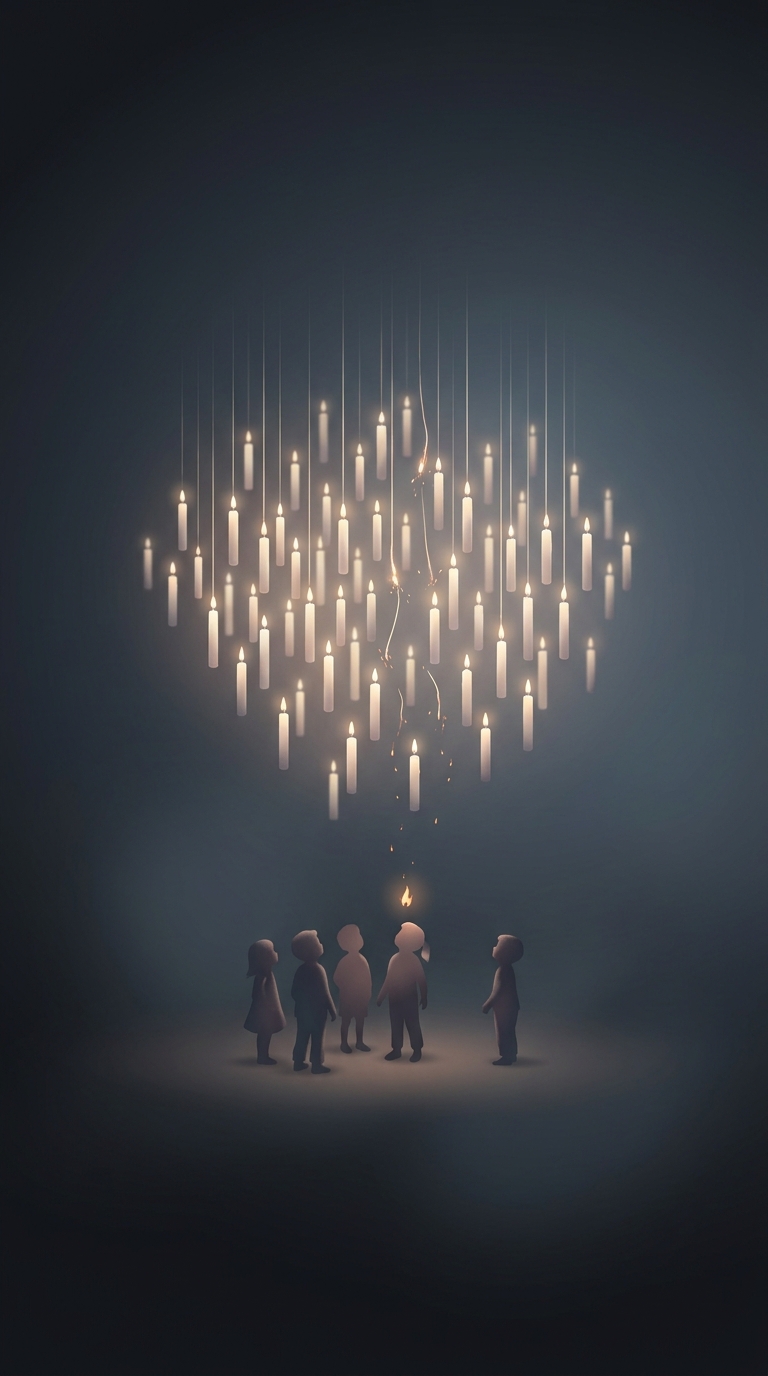
The Great Hall’s candles had to look as if they hung in midair above a crowded room. For the first film, the production tried to create that effect physically: real candles were suspended on fine wires. The setup gave the flames a natural, changing glow, but it put a fragile rig directly over the young cast.
The problem was heat. Flames burned through the strings holding the candles, causing them to fall and drop fire toward the children below. A practical effect could look convincing on camera yet remain difficult to control safely during a long scene.
Why the Later Films Used Digital Candles
Computer-generated imagery, or CGI, let the filmmakers add the floating candles to the finished image rather than suspend burning ones over the set. The actors could perform without that overhead hazard, while the candles’ positions and movement could be adjusted separately from the live action.
That change illustrates a useful distinction in filmmaking: a physical effect can create real light and texture, but it also brings the physical risks and limitations of its materials. For the Great Hall, the candles’ most important quality was that they appeared to float—not that they were actually burning above the cast. Once the real flames made the illusion unsafe, digital effects offered a more controllable way to preserve it.