Voldemort’s long life depended on objects, not a living body
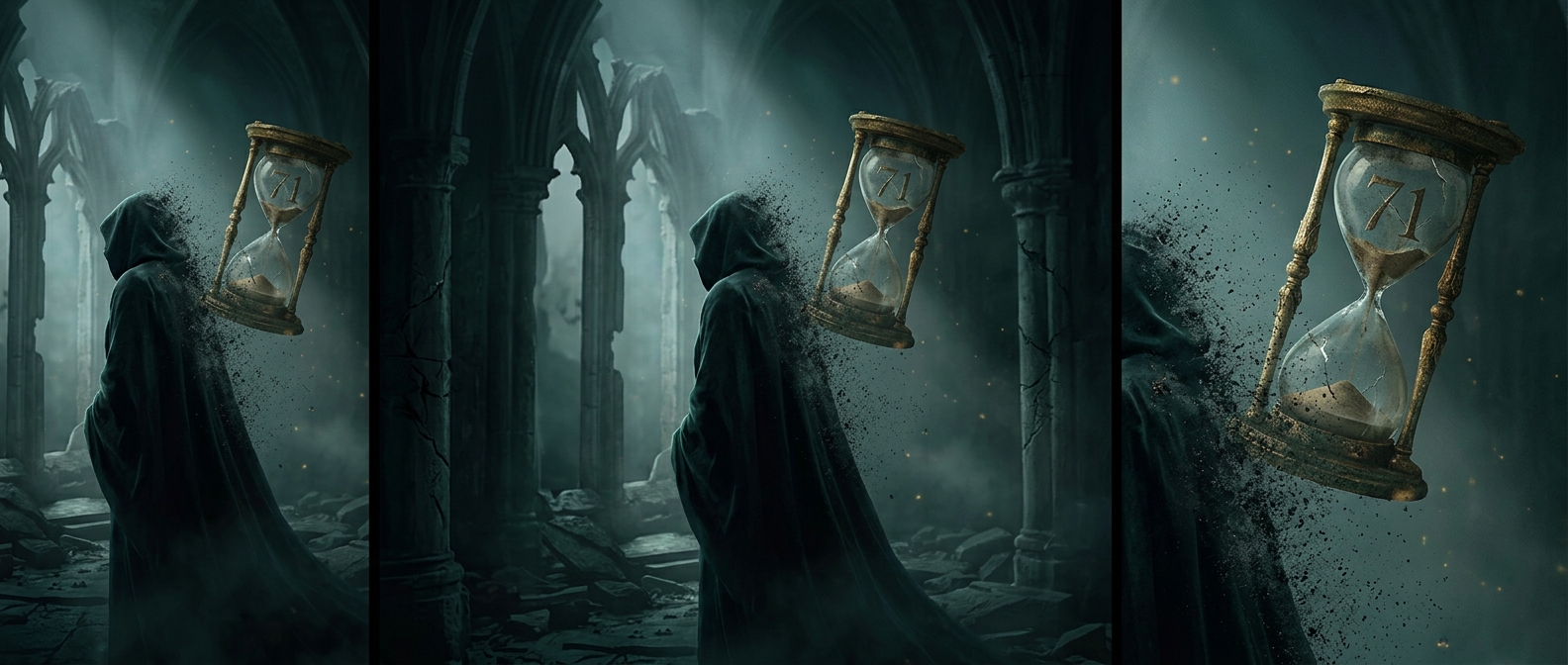
Voldemort was born in 1926 and fell in 1998, making him 71 by the calendar when Harry defeated him. But those years were not an ordinary lifespan. After his first attack on the Potter family backfired, Voldemort lost his body and spent years existing in a weakened, bodiless state before regaining one.
His answer to mortality was to make Horcruxes: objects containing pieces of his soul. In the wizarding world, destroying the body would not fully kill someone whose soul remained anchored elsewhere. Voldemort planned to divide his soul into seven parts, including the part within himself, and hid fragments in objects he believed were unlikely to be found.
The safeguard became a weakness
The strategy bought him a path back, but it also created a set of vulnerabilities. A Horcrux could be destroyed, and Voldemort could not be killed for good while any of them remained. His secret became a puzzle Harry and his allies had to solve: identify the hiding places, destroy the soul fragments, and only then confront Voldemort as a mortal opponent.
There was also a consequence Voldemort never intended. When his attack on the infant Harry rebounded, a fragment of Voldemort’s soul attached itself to Harry. Voldemort had made an accidental extra Horcrux without knowing it, leaving Harry bound to the very enemy he would eventually have to face.
Why the age makes the ending sharper
Voldemort’s apparent immortality was not endless life in the usual sense; it was survival postponed by a system of hidden backups. Once those backups were destroyed, his age and reputation could not protect him. At 71, after decades spent trying to escape death, he was finally vulnerable to the ordinary consequence he had spent his life trying to avoid.