A Letter Is a Difficult Prop for an Owl
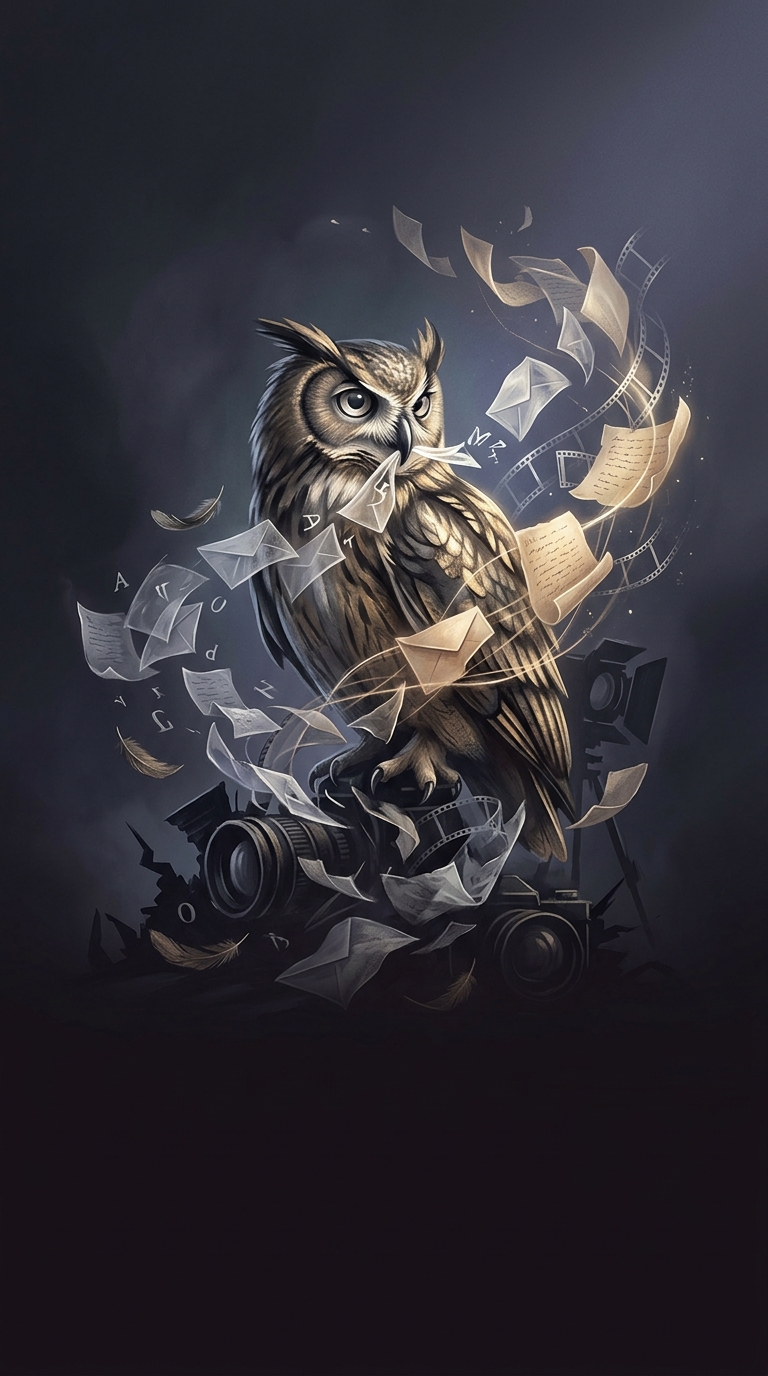
On screen, an owl delivering a letter looks like a simple visual beat: fly in, present the message, hold still. For the bird, though, each part is a separate behavior to learn. Carrying an envelope in its beak does not automatically mean it will keep its grip through a flight, approach a person, and release the letter at the intended moment.
That gap between a trained action and a repeatable filmed action explains why the production’s six months of work did not guarantee clean takes. Training can build an association between a cue and a behavior, but it cannot make a live animal follow a camera-ready sequence on command every time. A dropped envelope or an unexpected flight path meant the scene had to be reset.
The Camera Adds Another Constraint
A film set asks for more than a convincing performance. The bird must also move through a particular space, stay visible to the camera, and do so at the right point in the scene. If it flies into the camera’s path—or simply declines to cooperate—the take is unusable, even if the owl has performed the intended behavior in another attempt.
That makes animal filming a problem of repeatability, not just training. The crew can prepare the bird and the setup, but it cannot choreograph every movement with the precision of a human actor or a mechanical prop. The repeated resets were the practical cost of making the letter’s journey happen with a real owl rather than merely depicting it.