When ordinary life seems staged for an audience
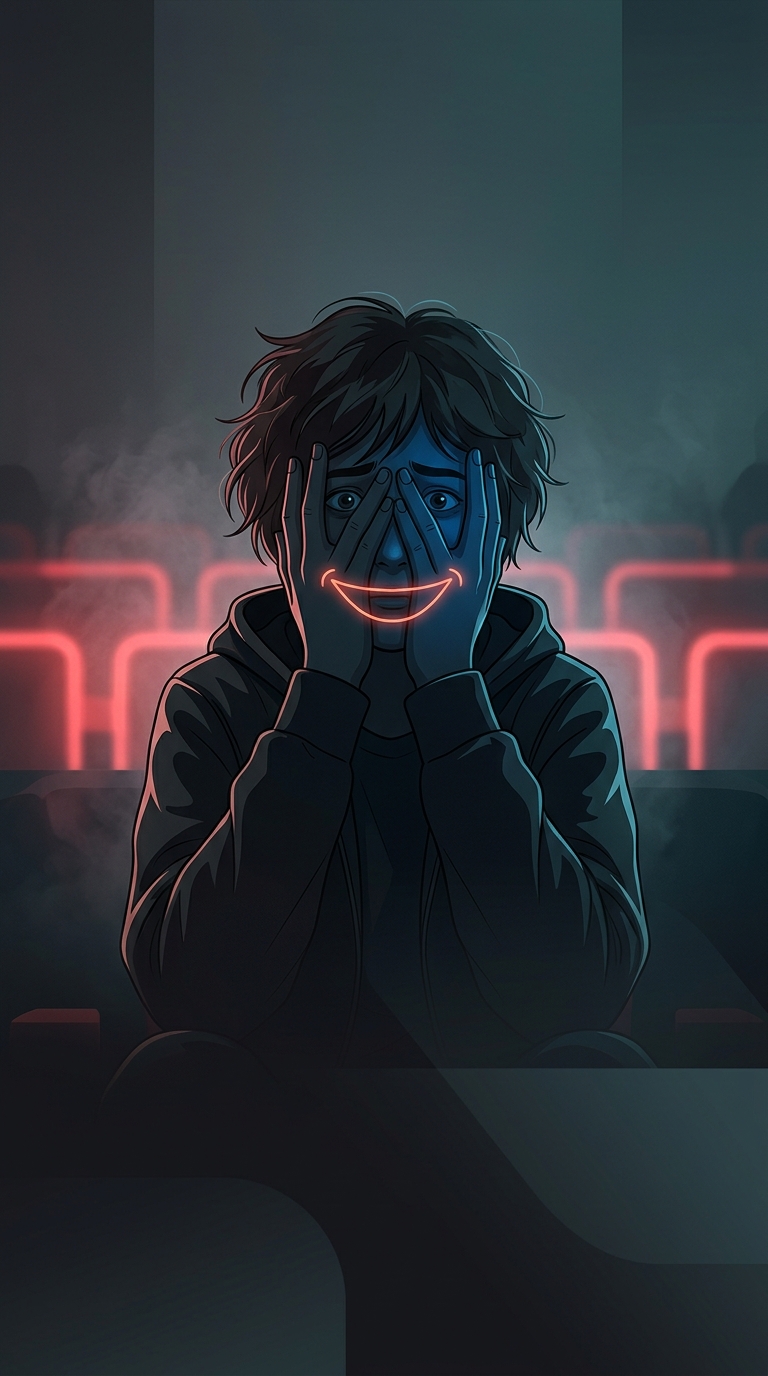
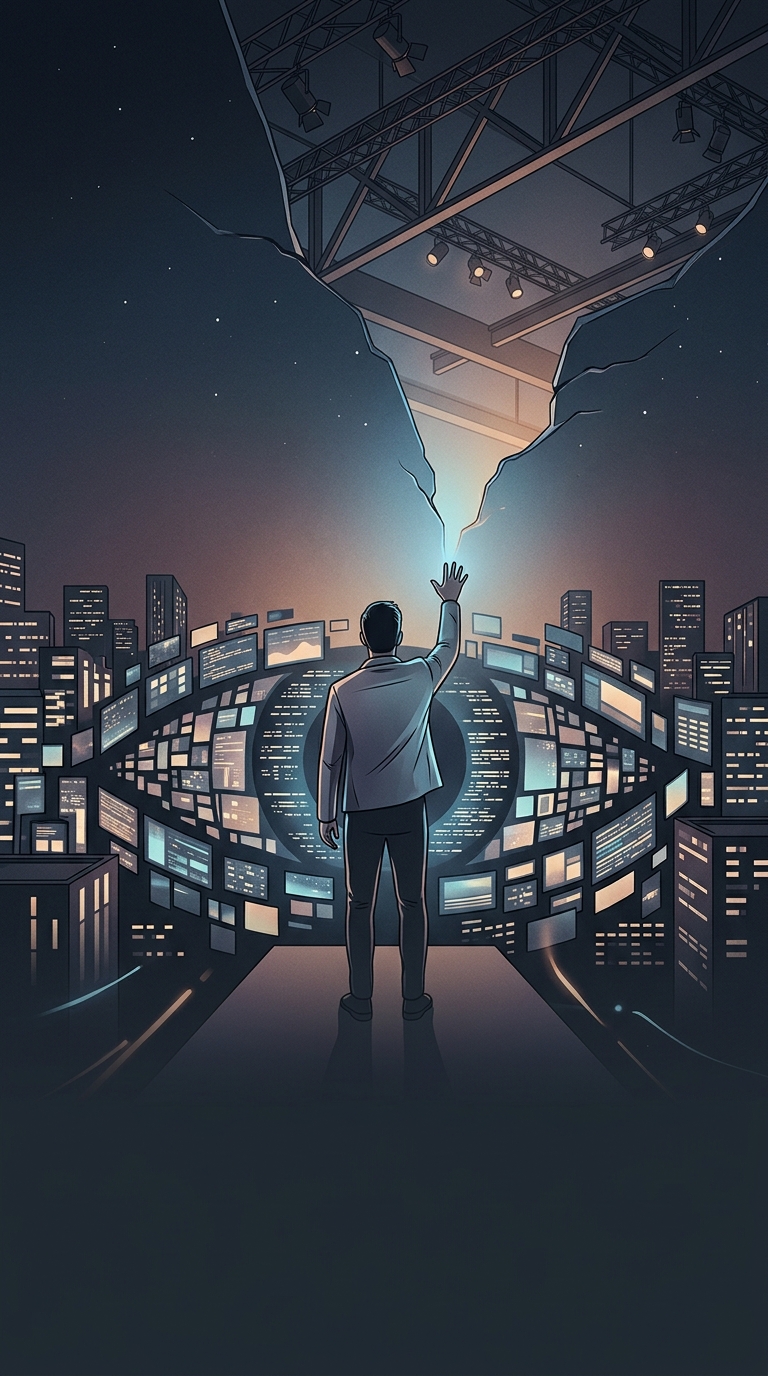
The “Truman Show delusion” describes a disturbing belief that one’s everyday world is being secretly arranged and filmed, much like the fictional reality television show in The Truman Show. A person may feel that strangers are actors, conversations contain hidden messages, or events have been planned specifically for them. The experience can feel intensely real, not like a playful suspicion or a metaphor.
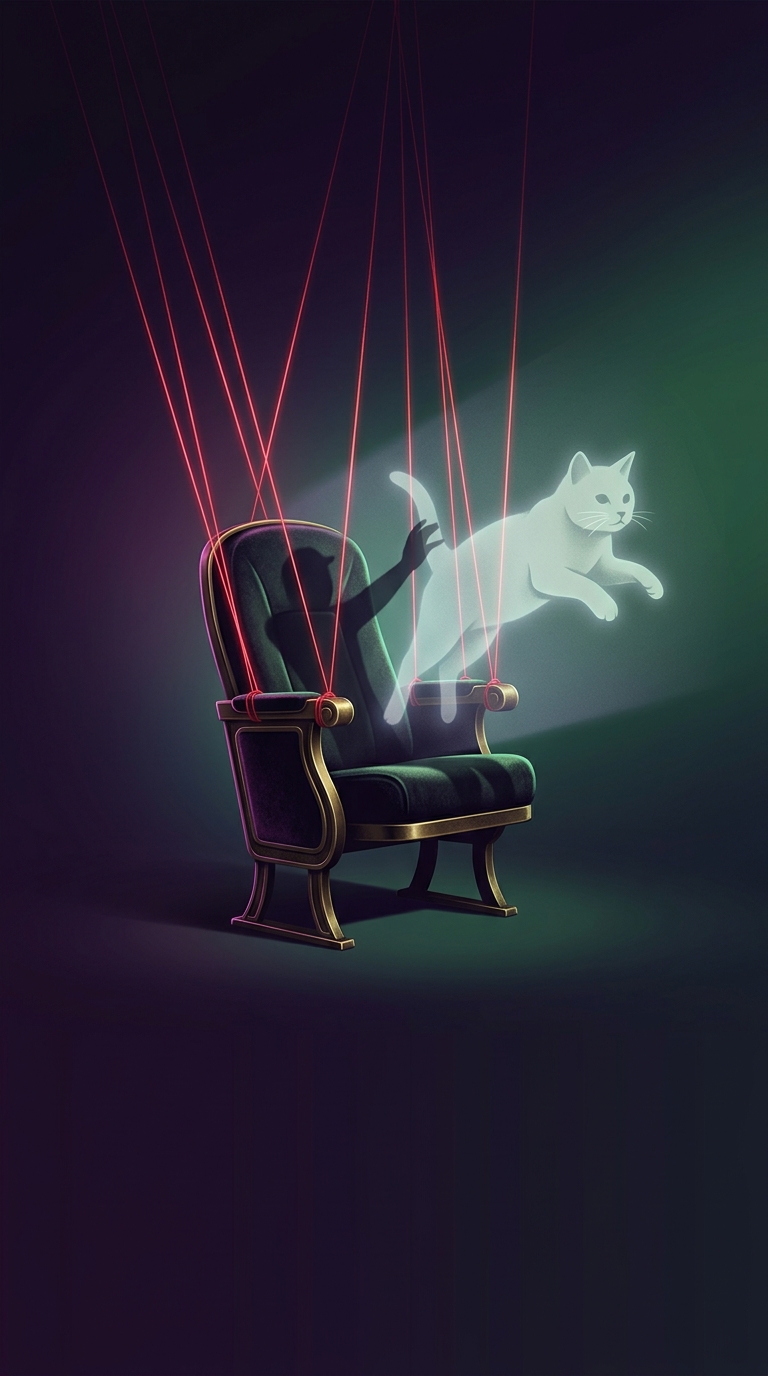
The name refers to the film’s premise: Truman Burbank believes he is living an ordinary life, while everyone around him is performing for a hidden audience. In the delusion, that plot becomes a person’s explanation for confusing or frightening experiences. The film supplies a ready-made story for interpreting them: apparent coincidences become clues, and other people’s behavior becomes evidence of a production.
A label, not a separate diagnosis
Psychiatrists have used the term to describe a particular pattern of delusion, rather than to name a universally recognized, standalone disorder. The belief can occur in the context of different mental health conditions. Its specific form may be shaped by a person’s circumstances and by familiar cultural ideas—in this case, surveillance, celebrity, and reality television.
That distinction matters: recognizing the “Truman Show” theme does not, by itself, explain what is causing someone’s distress or determine a diagnosis. Clinicians look at the person’s broader symptoms and situation. The memorable name captures the belief’s storyline; it does not make the experience fictional to the person living through it. What makes the idea so unsettling is that the imagined audience is not safely confined to a screen: it can seem to be present in every room and interaction.