How a merger made a giant
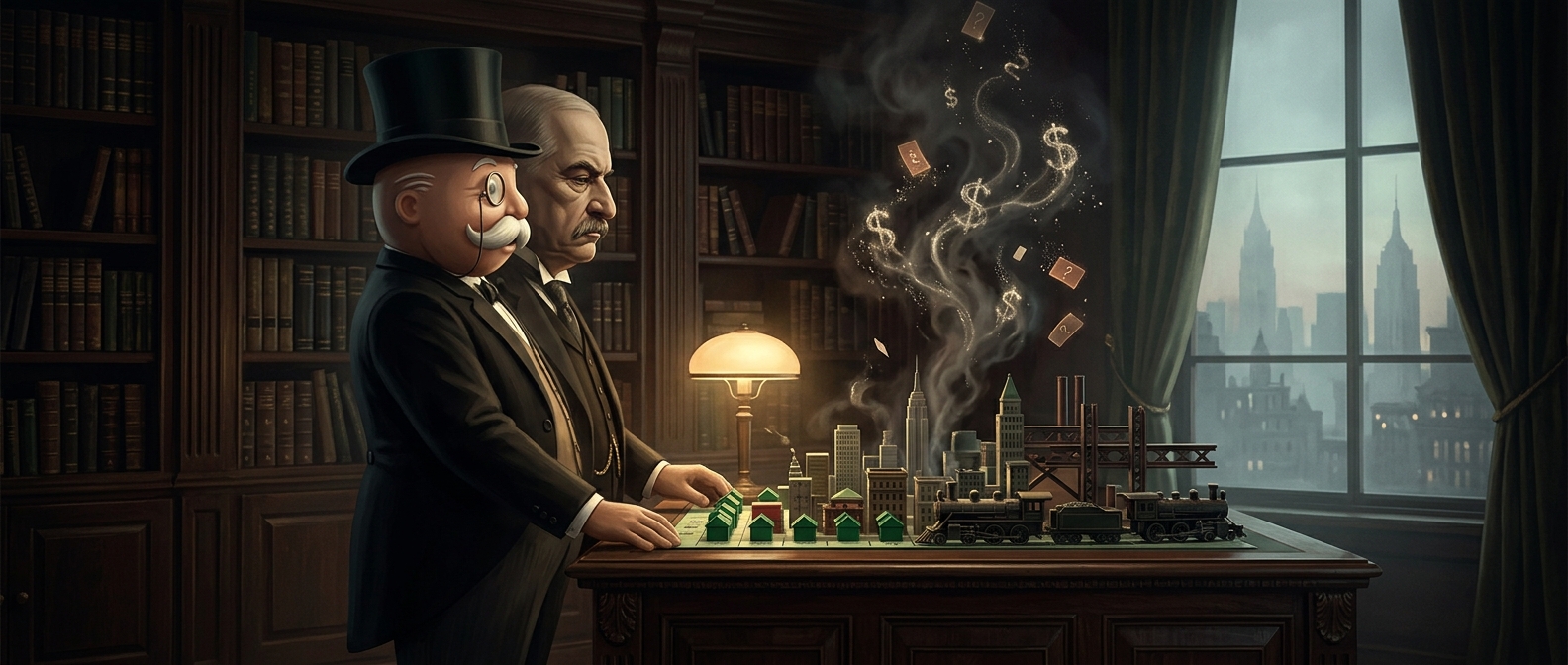
In 1901, J.P. Morgan helped bring major steel businesses under one corporate roof, including Andrew Carnegie’s steel company. The deal joined not just mills but a broad industrial network: firms that made steel and products such as wire, along with businesses connected to supplying and moving materials. Combining them created U.S. Steel, a company with a reach no single steelmaker had possessed.
The logic was scale. Steelmaking depended on expensive plants, steady supplies of raw materials, and access to customers in industries such as railroads and construction. A corporation spanning more of that chain could coordinate production and sales across a much larger operation. U.S. Steel’s share—about two-thirds of American steel output—showed how much of the industry had been gathered into one organization.
What “a billion-dollar company” meant
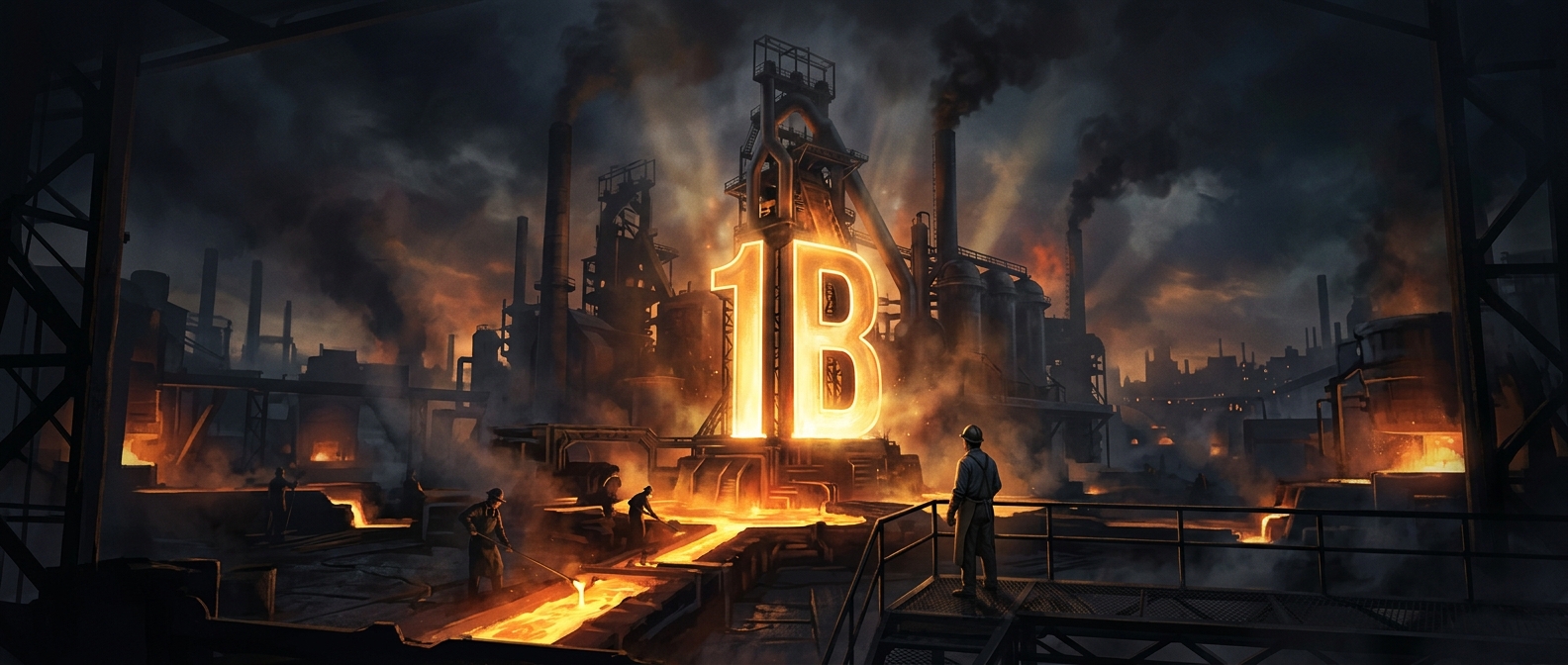
The milestone was a measure of the new corporation’s financial scale, not a billion dollars sitting in a bank account. At the time, assembling companies and their assets into a single corporation could produce a capitalization on a scale previously unseen in American business. U.S. Steel made the modern corporation look different: it could be built through a merger of enormous enterprises rather than grow from one workshop or factory.
That scale brought power as well as efficiency. When one company controlled such a large share of production, its decisions could matter across the steel market, sharpening concerns about concentrated economic influence. The landmark was therefore more than a record-sized business: it showed how corporate consolidation could reshape an entire industry.