A familiar face, but no proven model
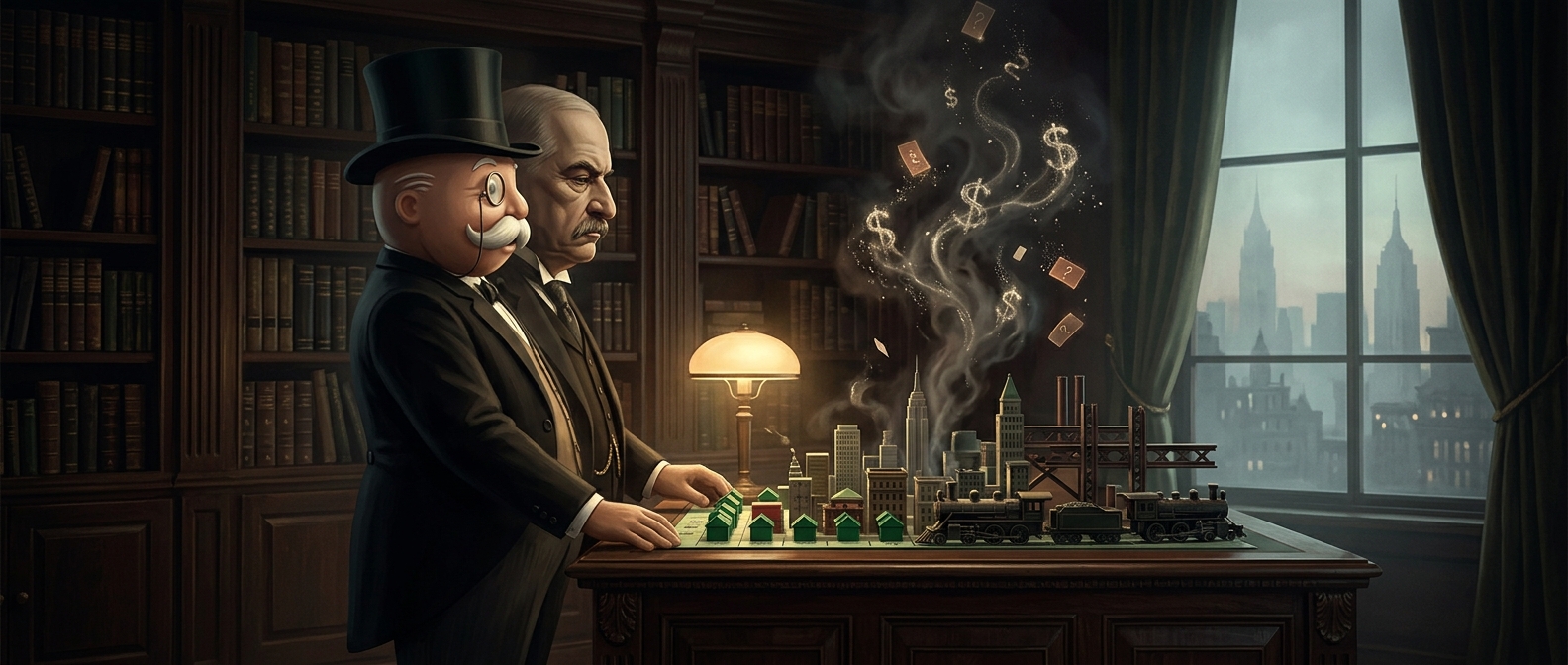
Monopoly’s top-hatted figure is known as Rich Uncle Pennybags, a visual shorthand for wealth: formal clothes, a mustache, and the air of a man who owns the bank rather than visits it. Those traits also fit J.P. Morgan, the powerful financier whose interventions during financial crises made him seem almost synonymous with private control over public money.
But resemblance is not documentation. The claim that Morgan was the mascot’s model has circulated for years; the character’s appearance alone does not establish that the game’s creators used him as a reference. The safer conclusion is that Pennybags belongs to a familiar tradition of caricaturing the rich, not that he is a confirmed portrait of one banker.
Why the comparison has staying power
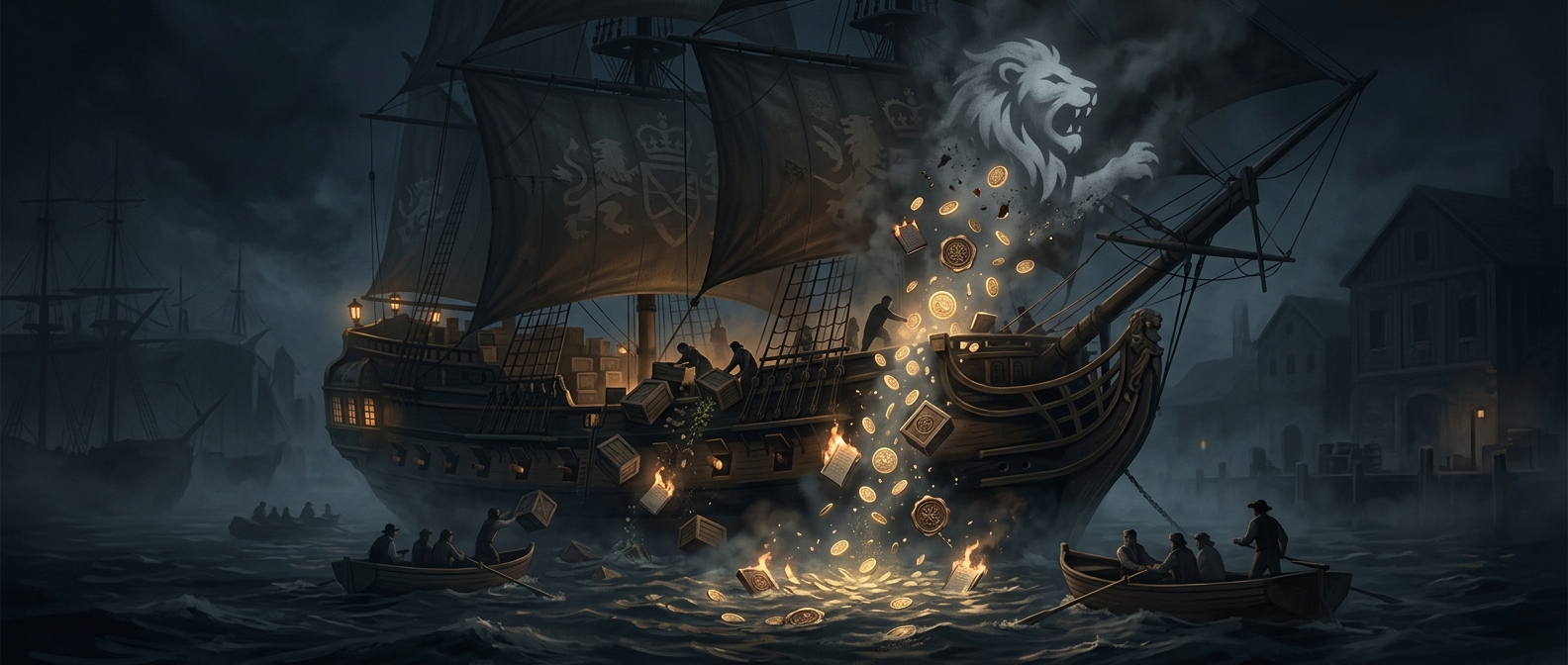
Morgan’s role in two federal financial rescues helped make the comparison feel plausible. In 1895, he organized a private syndicate to supply the Treasury with gold when its reserves were under pressure. During the panic of 1907, he used his influence to coordinate emergency support for banks and trust companies. In both episodes, a private financier helped stabilize a system the government could not easily manage on its own.
That tension is part of what the Monopoly image evokes. The game turns money and property into a contest governed by rules, while its mascot suggests the wealthy player who can afford to keep going. Morgan gives the figure a compelling historical association, but the association is not proof of a direct likeness. The enduring joke is less about identifying one man than about how easily a cartoon of wealth can look like someone who once wielded it.