Why pilots may eat different meals
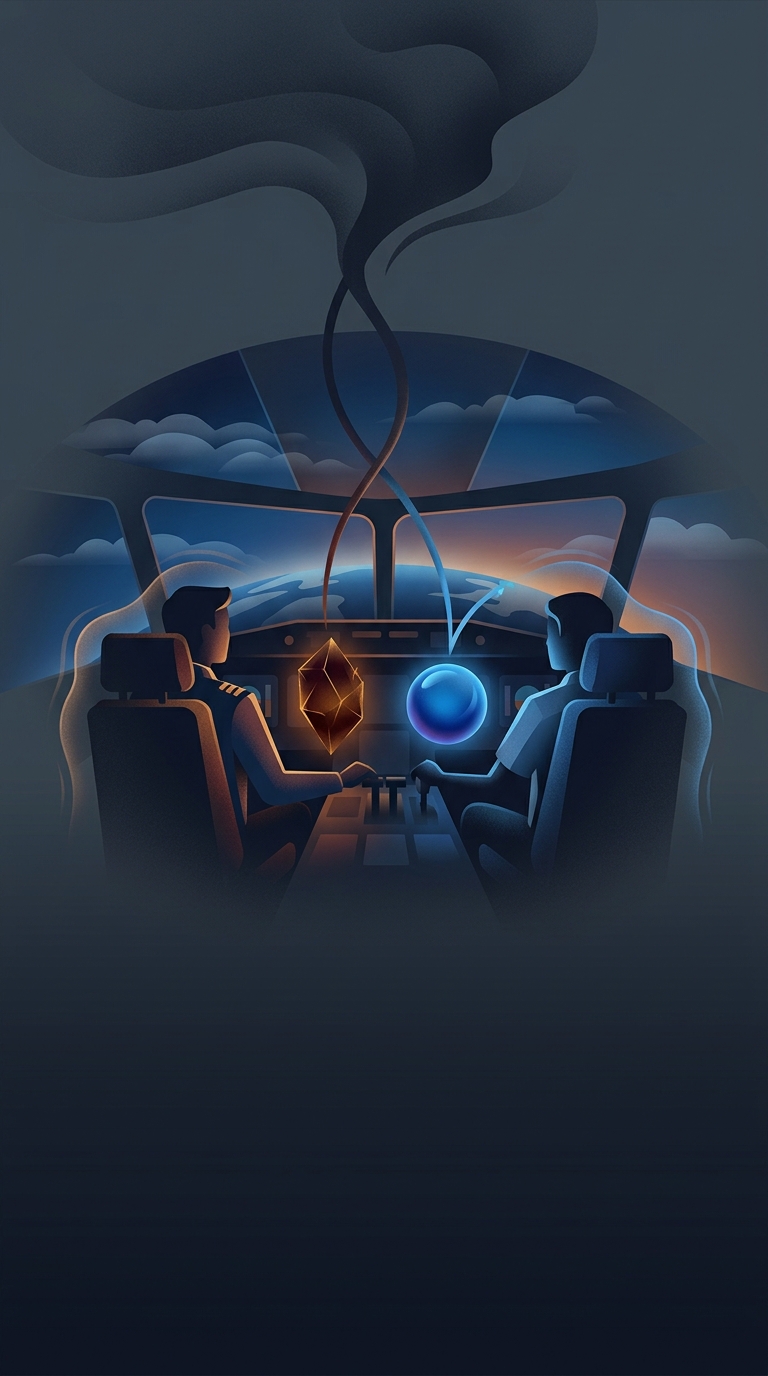
If the same contaminated dish makes both pilots ill, a flight could lose two people who need to remain alert and capable of operating the aircraft. Some airlines therefore use a simple safeguard: the captain and first officer eat different meals, or one pilot avoids food prepared for the other. The exact policy can vary by airline; it is not a universal rule that every pair must order beef and chicken.
The logic is reducing shared risk
Food poisoning is a hazard with an awkward feature: one meal can expose several people at once. Giving the pilots separate meals reduces the chance that a single contaminated item will affect both. It is a form of risk separation, similar in principle to avoiding one failure that disables two essential systems.
It is not a guarantee. Different dishes can still be contaminated, and illness can come from sources other than the meal. The precaution is useful because it limits one avoidable way both pilots could be affected at the same time.
A backup, not the main safety system
Airliners are designed and operated with procedures for a pilot becoming unable to fly, including the other pilot taking control and contacting air traffic control as needed. Separate meals are an additional layer, not a substitute for those procedures—and not a reason to assume the cockpit is immune to illness.
The memorable detail is practical rather than dramatic: two pilots may deliberately choose different food so one shared meal is less likely to become a shared emergency.