How a game session can become an endurance test
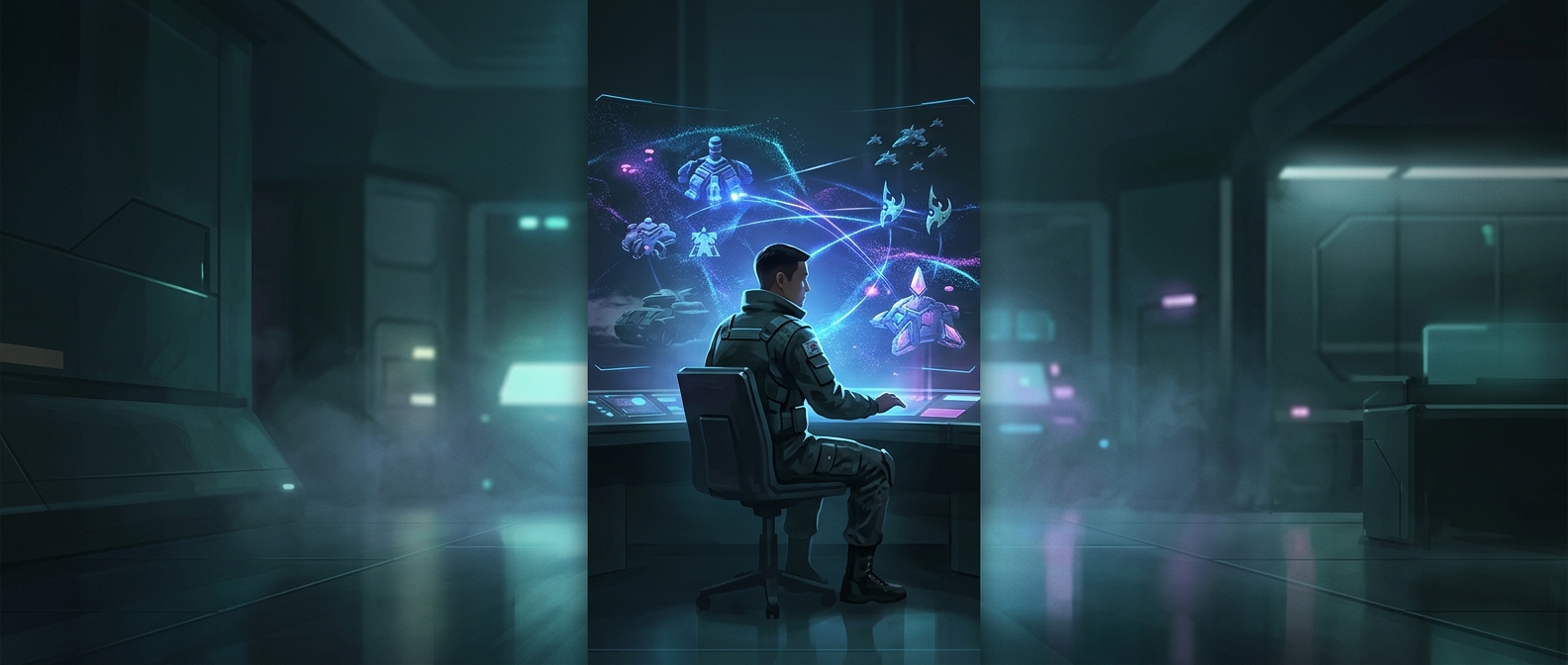
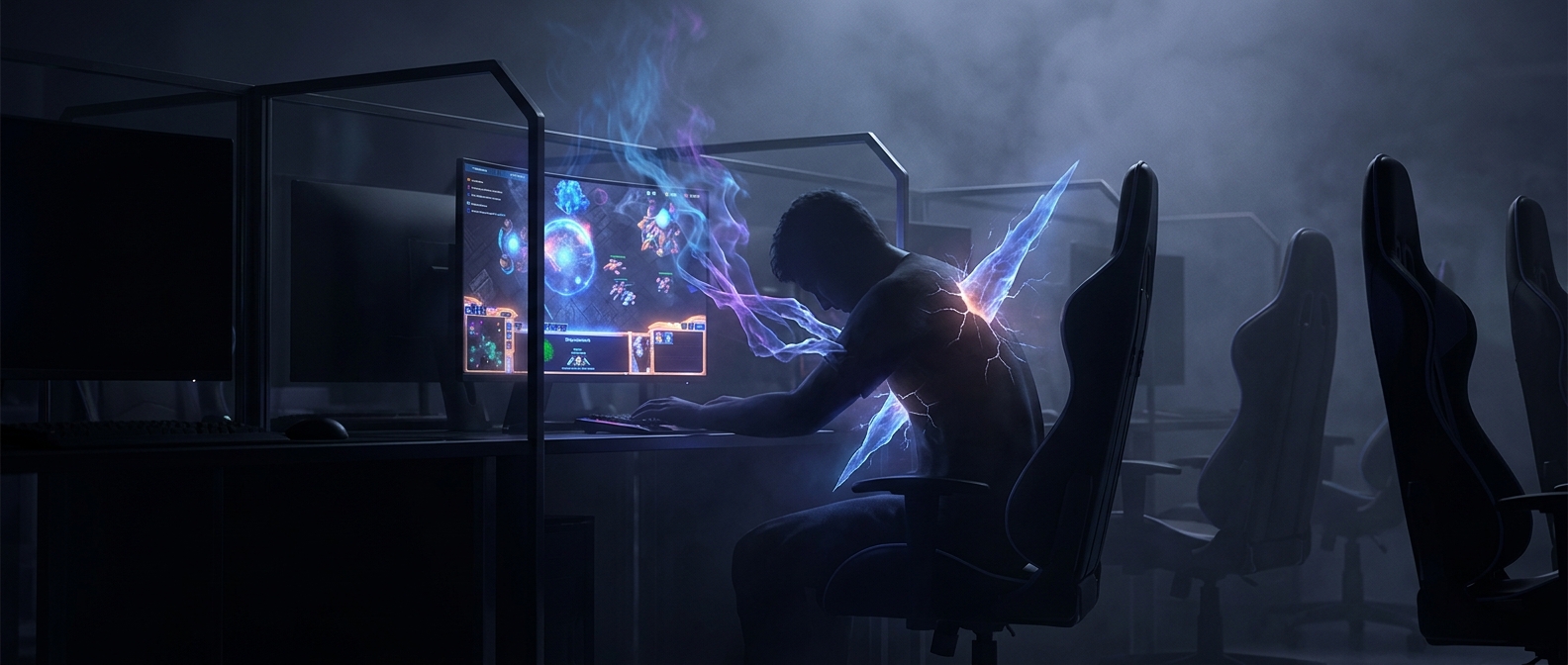
StarCraft is a real-time strategy game: players gather resources, build forces, and make decisions while the opponent is acting, rather than taking turns. That continuous pace can make a match feel unfinished at the moment it ends. One game can lead straight into another, and hours pass without a natural stopping point such as a scheduled round or a long break.
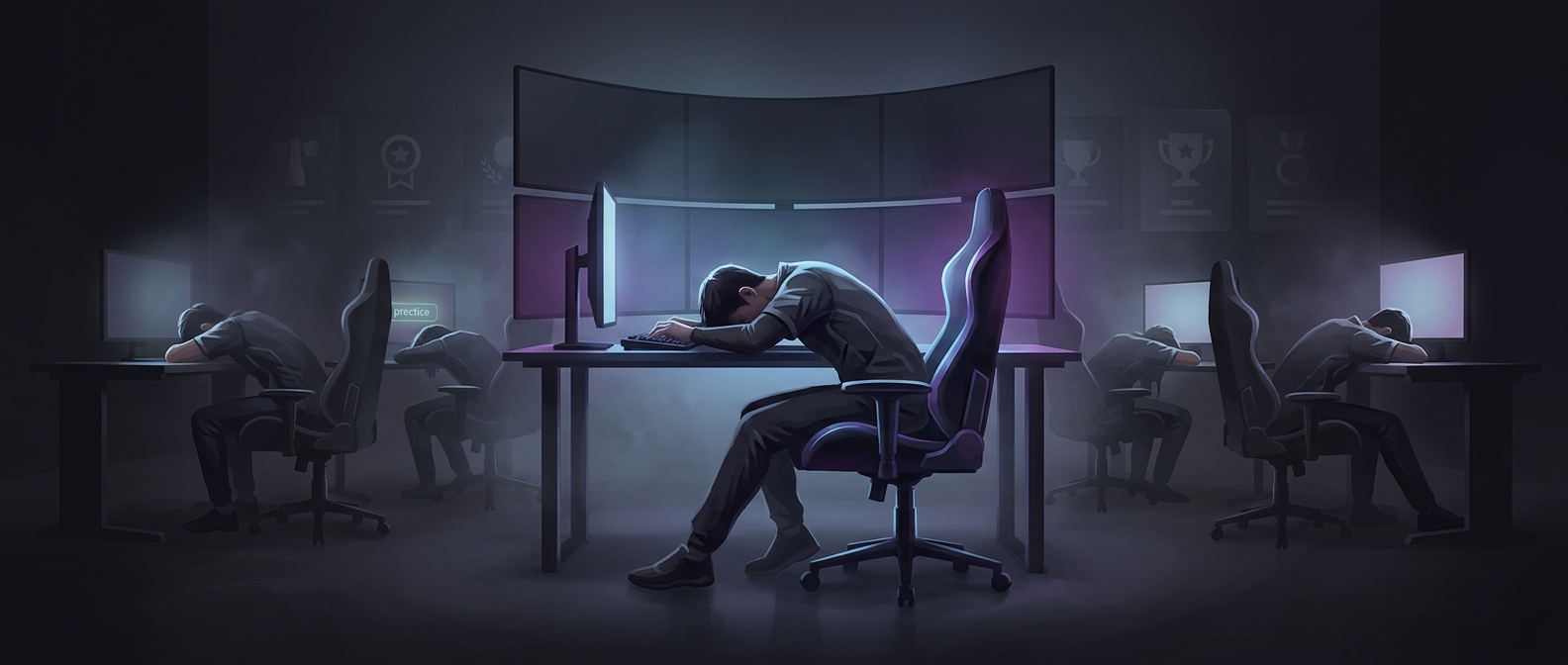
At an internet café, the computer is already there and the next match is easy to start. But the body does not share the game’s sense of momentum. Staying awake for a prolonged stretch can erode concentration and judgment; remaining seated and neglecting meals or fluids also means basic physical needs are going unmet.
When the body’s needs fall out of the routine
The 2005 death in Taegu became a stark example of what can happen when an intense gaming session continues with little sleep or food. The details given do not establish a precise medical mechanism, so it would be misleading to attribute the death to one specific effect of gaming. The broader lesson is simpler: an absorbing activity can keep a person at the screen while fatigue and other warning signs accumulate.
A session’s length is easy to measure in matches or hours. The strain building outside the game is harder to notice—until stopping is no longer an ordinary choice.