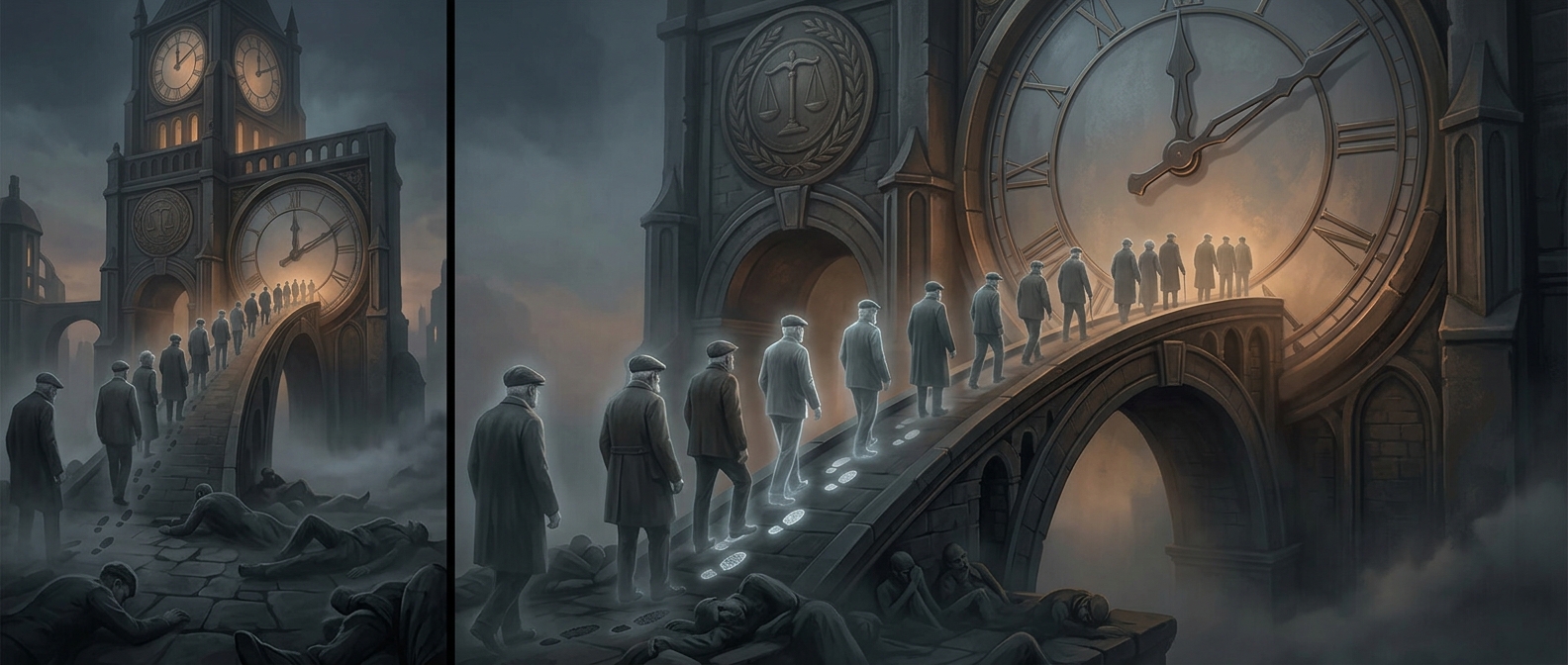
Time turns small contributions into a future income stream
A retirement fund is built by shifting some income from the present to the future. When savings are invested, they can earn returns; if those returns stay invested, they may earn returns of their own. This compounding gives money more time to grow, which is why starting earlier can matter even when the first contributions are modest.
But growth is only half the job. Once a person stops working, the accumulated balance has to cover regular expenses without a regular paycheck. Withdrawals gradually turn investments back into spendable money, while the portion still invested may continue to earn returns.
The challenge changes when work ends
Before retirement, a falling market may be uncomfortable, but a worker can often keep contributing and wait for conditions to improve. After retirement, someone who must sell investments to pay bills may have less money left to benefit from a later recovery. That makes the timing of withdrawals important, not just the fund’s average growth over many years.
Prices matter, too. A fixed amount of money can buy less as costs rise, so savings may need to support spending for a long time and keep pace with inflation. Retirement planning therefore involves a tradeoff: spend enough to make the savings useful, but avoid drawing them down so quickly that they cannot support later years.
The result is not a paycheck guaranteed by an employer. It is a pool of assets meant to replace one—built gradually during working years and carefully drawn down when those years are over.