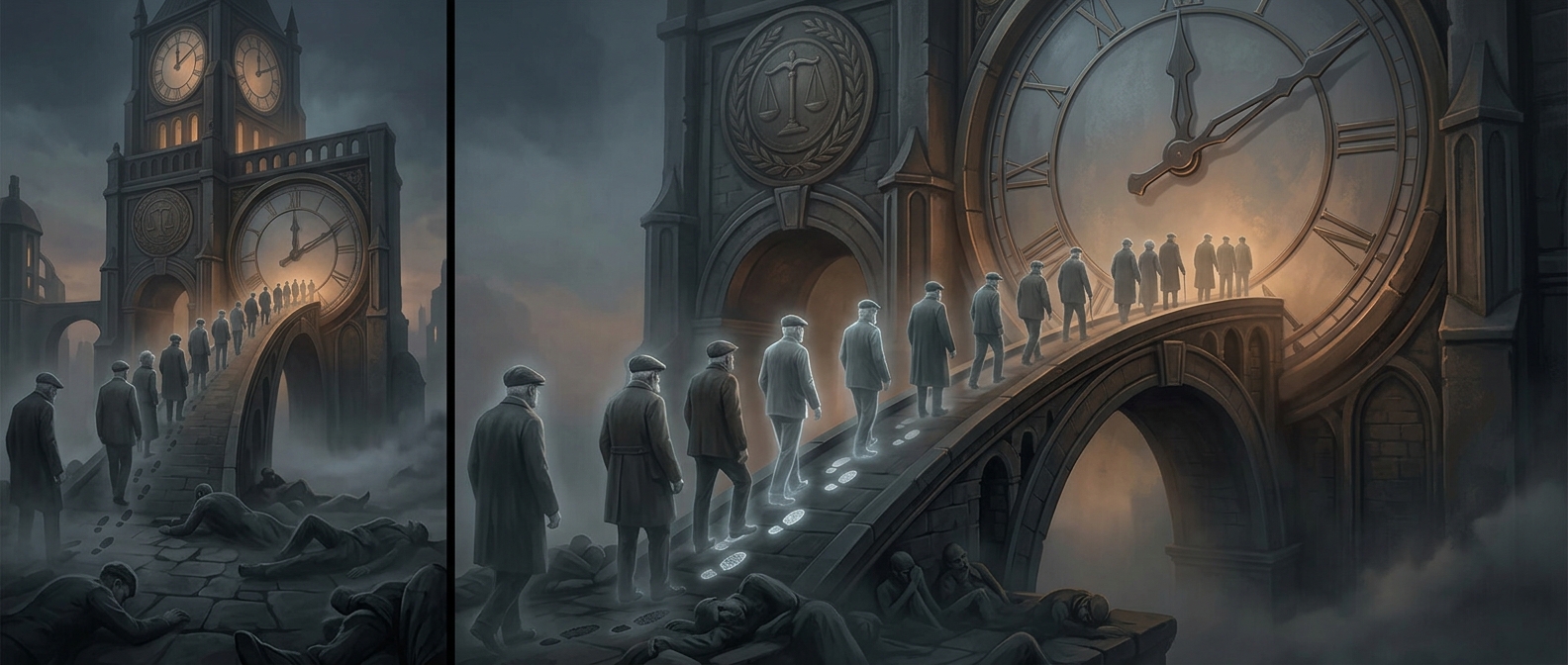
The age was 70 at first—not 65
The familiar story compresses two stages of Germany’s early pension system. Under Chancellor Otto von Bismarck, the 1889 old-age insurance law set the pension age at 70. The threshold was lowered to 65 in 1916, years after Bismarck’s departure from office.
Either way, the qualifying age stood far above the era’s average life expectancy at birth, which was below 50. But that average did not mean most adults died before reaching old age: it was pulled down sharply by deaths in infancy and childhood.
Why a low average didn’t make pensions impossible
A life-expectancy figure at birth is an average across everyone born, including those who died very young. Someone who survived childhood had a better chance of reaching later adulthood than that headline number suggests. Still, reaching the pension age was a real hurdle, and not every insured worker would collect an old-age benefit.
The system also was not simply a promise that everyone would receive a pension after turning 70. It was contributory social insurance: workers and employers paid into it, and eligibility depended on the law’s conditions. The high age limited how many people would draw an old-age pension and reflected a system designed around long-term contributions, not a guarantee of retirement for all.
A threshold, not a forecast
The age comparison is striking because it sets a formal eligibility rule beside a population-wide average that measures something different. The pension age marked when benefits could begin; it did not describe how long people could expect to live.