Why an Interview Is a Two-Way Guess
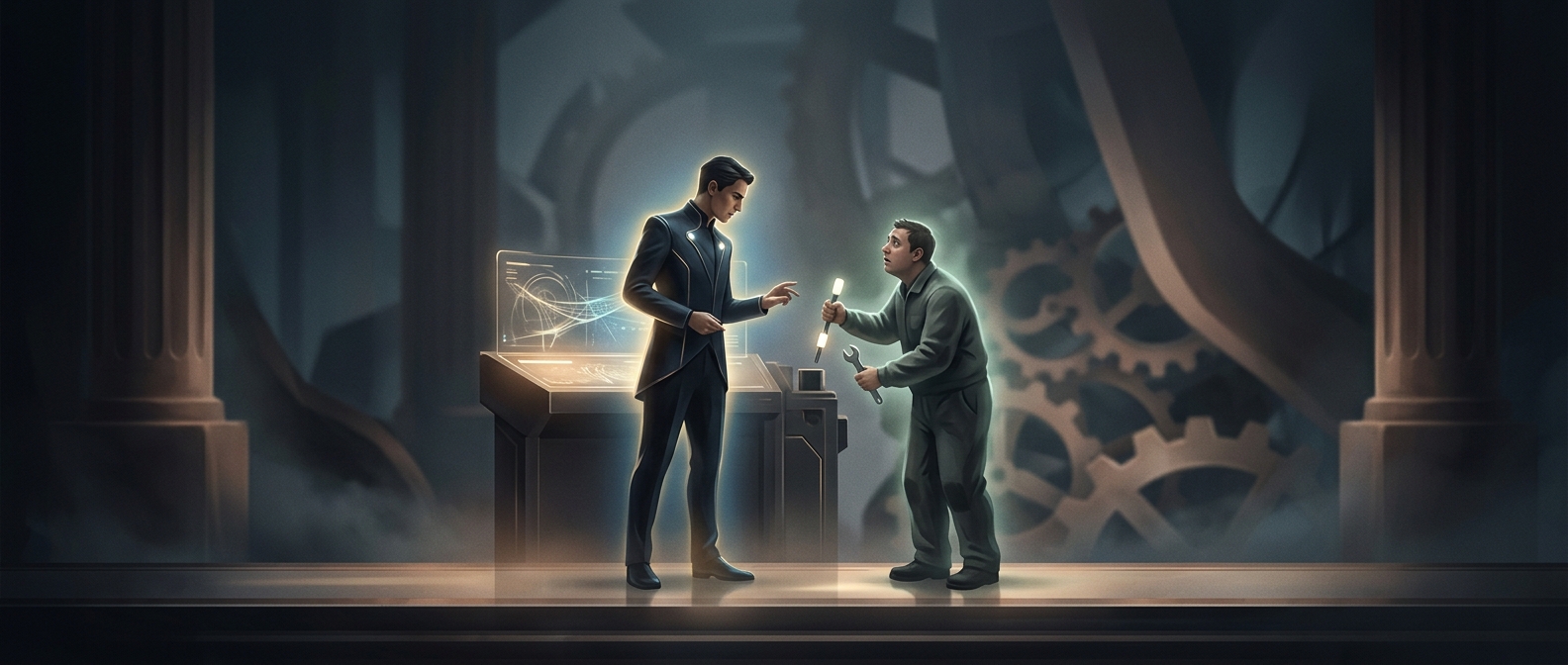
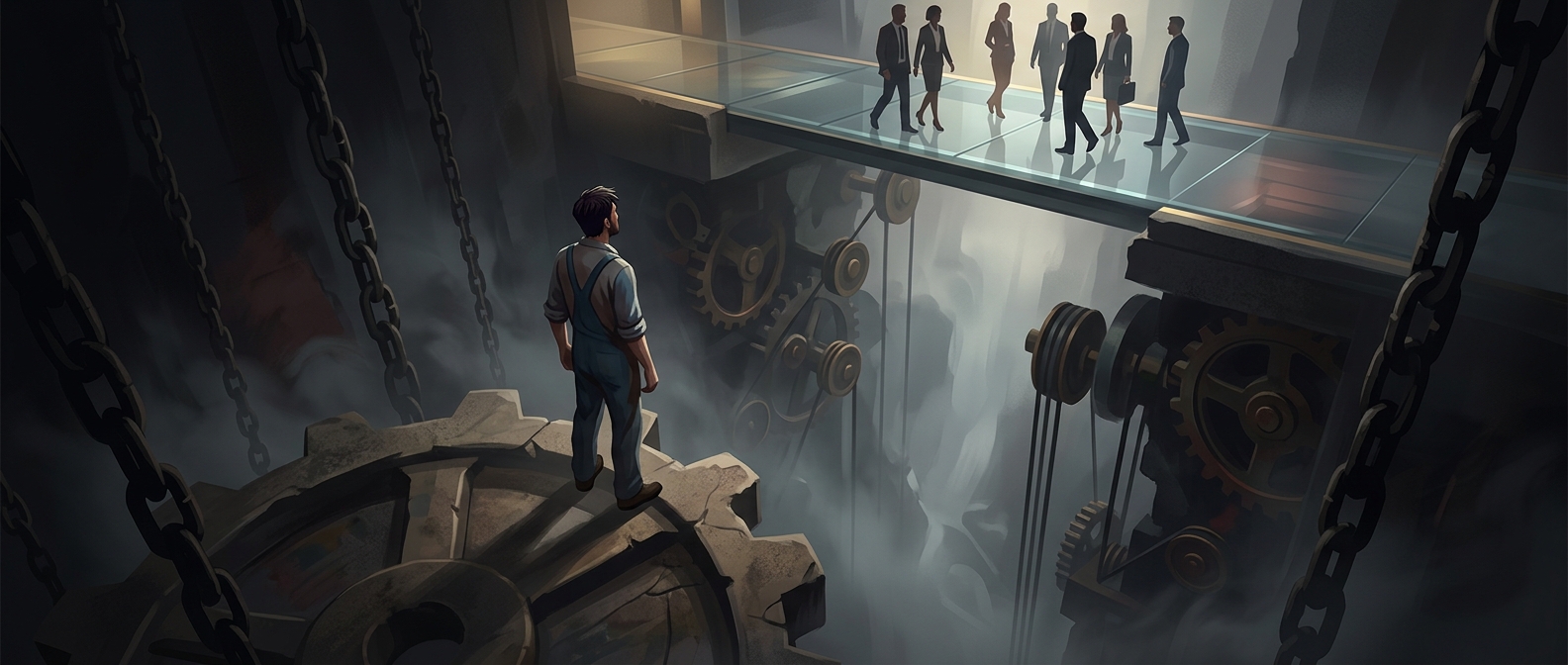
A job interview is a decision made with only part of the picture. The candidate knows how they handle deadlines, conflict, and unfamiliar work; the employer sees a résumé and a few conversations. The company, meanwhile, knows about its management habits, workload, and turnover—details a polished interview may not reveal.
Economists call this information asymmetry: one side knows something important that the other cannot readily observe. Both sides are trying to predict what working together will be like before they have actually done it.
How Each Side Tries to Read Between the Lines
Employers look for evidence that is hard to fake: examples of past work, specific descriptions of decisions, or practical exercises. These are ways to distinguish confident presentation from the ability to do the job. Candidates use their own signals, such as relevant experience or a portfolio, while asking questions about expectations, supervision, and why the role is open.
But signals are imperfect. A strong interview performance may reflect skill at interviewing as well as skill at the work. And a candidate may hesitate to ask about long hours or a difficult manager, even when those conditions matter, because they worry the questions will cost them the offer.
The Cost of Getting It Wrong
When either side misjudges what the other is offering, the result can be a poor match: a hire who cannot meet the role’s demands, or a worker who discovers that the job differs sharply from its description. That can mean lost time and hiring costs for the employer, and lost income or another job search for the candidate.
Clear job expectations, realistic descriptions of daily work, and structured questions can reduce the guesswork. They cannot make either side fully transparent, but they can make the most consequential parts of the deal easier to see before anyone signs on.