Why a Scratch Changes the Whole Table
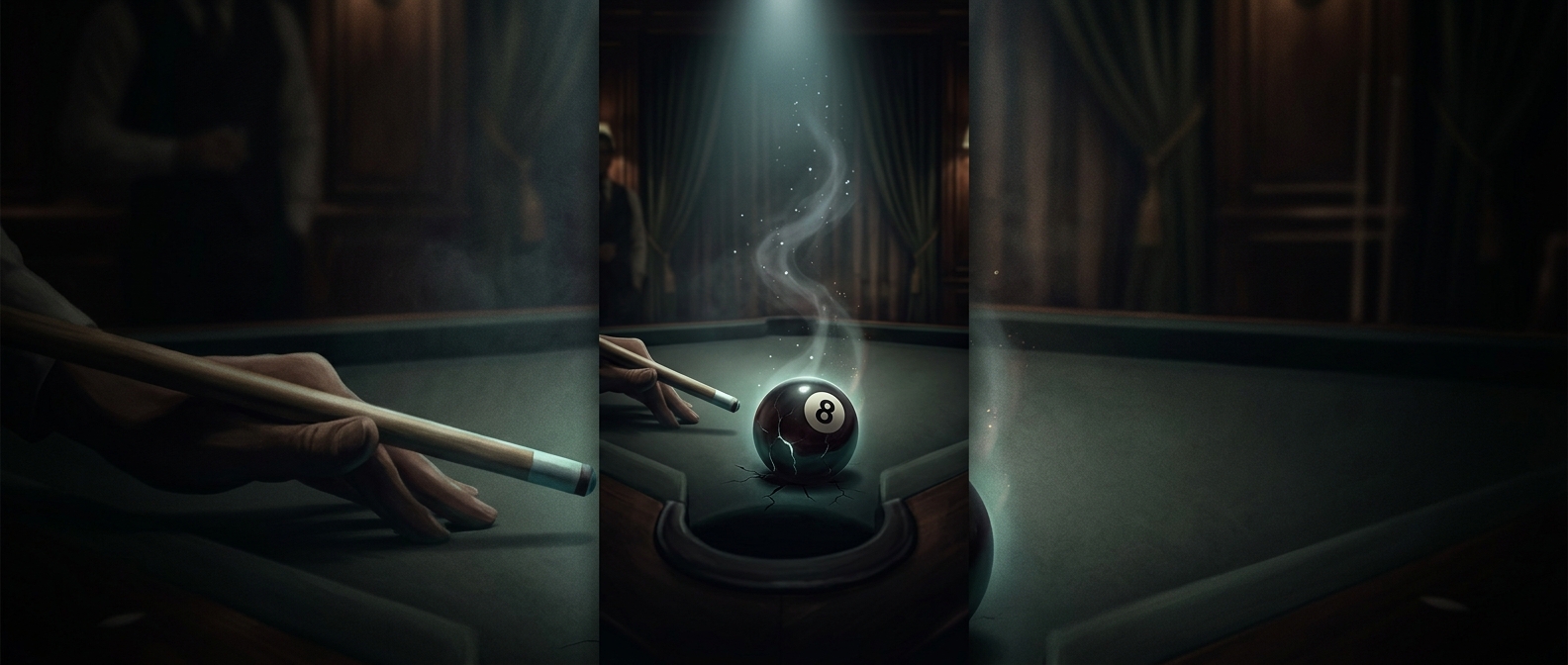
A scratch is a foul in which the cue ball is pocketed or, under many rule sets, driven off the table. The penalty is more than losing a turn: the incoming player gets ball-in-hand, meaning they may pick up the cue ball and place it themselves rather than play it from where it stopped.
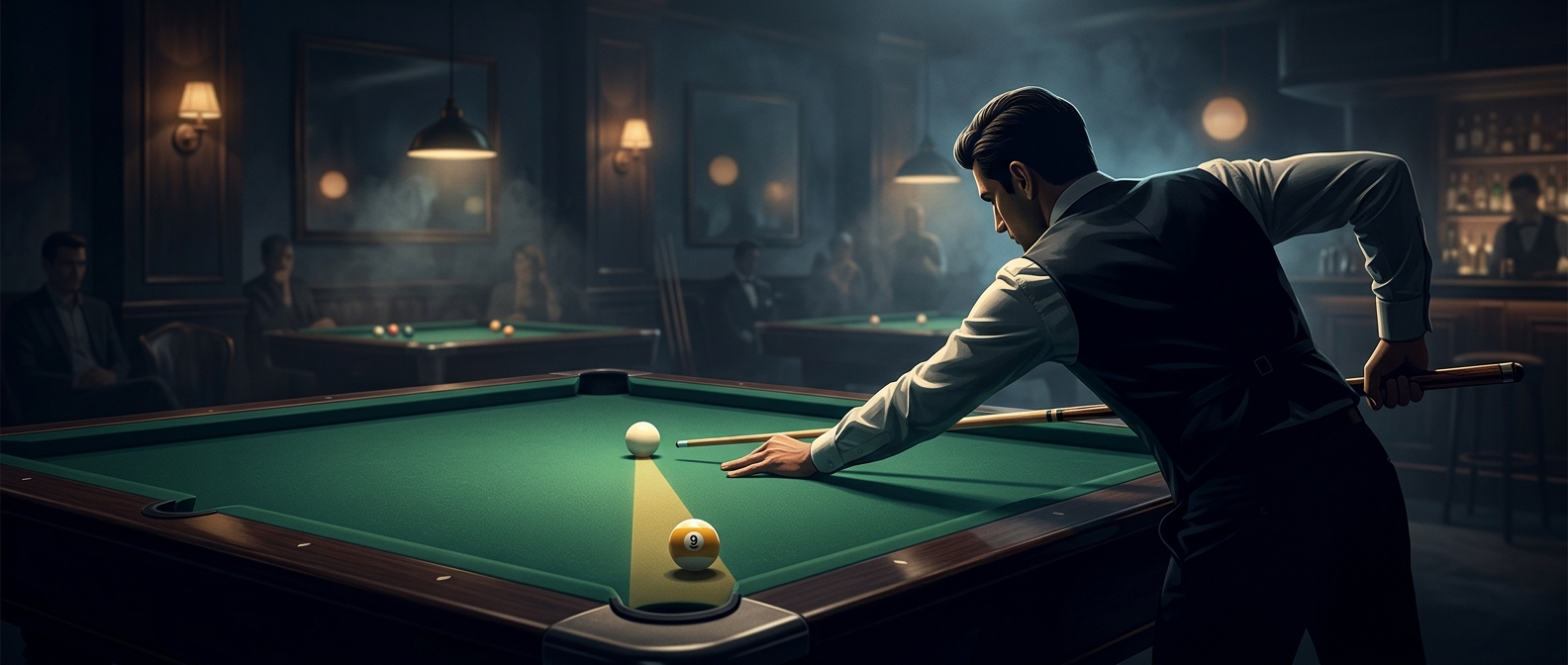
That placement freedom removes the hardest uncertainty in a shot. Normally, a player must work with the cue ball’s position after the previous shot; now they can choose a starting point that gives a clear line to a target ball and a useful angle for sending the cue ball onward. In standard eight-ball rules, this placement is generally allowed anywhere on the playing surface—not just behind the head string, the line near the table’s end.
A Penalty That Rewards Planning
The advantage is not simply a free shot. The player still has to choose which ball to hit and execute the shot, and the opponent’s balls may block the route or pocket. But the player can position the cue ball to avoid obstacles, control its path after contact, or arrange a sequence of shots that clears several of their own balls.
That is why a scratch can outweigh an ordinary missed shot. A miss may leave the cue ball in an awkward spot; a scratch hands the opponent the power to replace it with a deliberately chosen one. In a close game, a single careless cue-ball stroke can turn a difficult table into a planned runout.