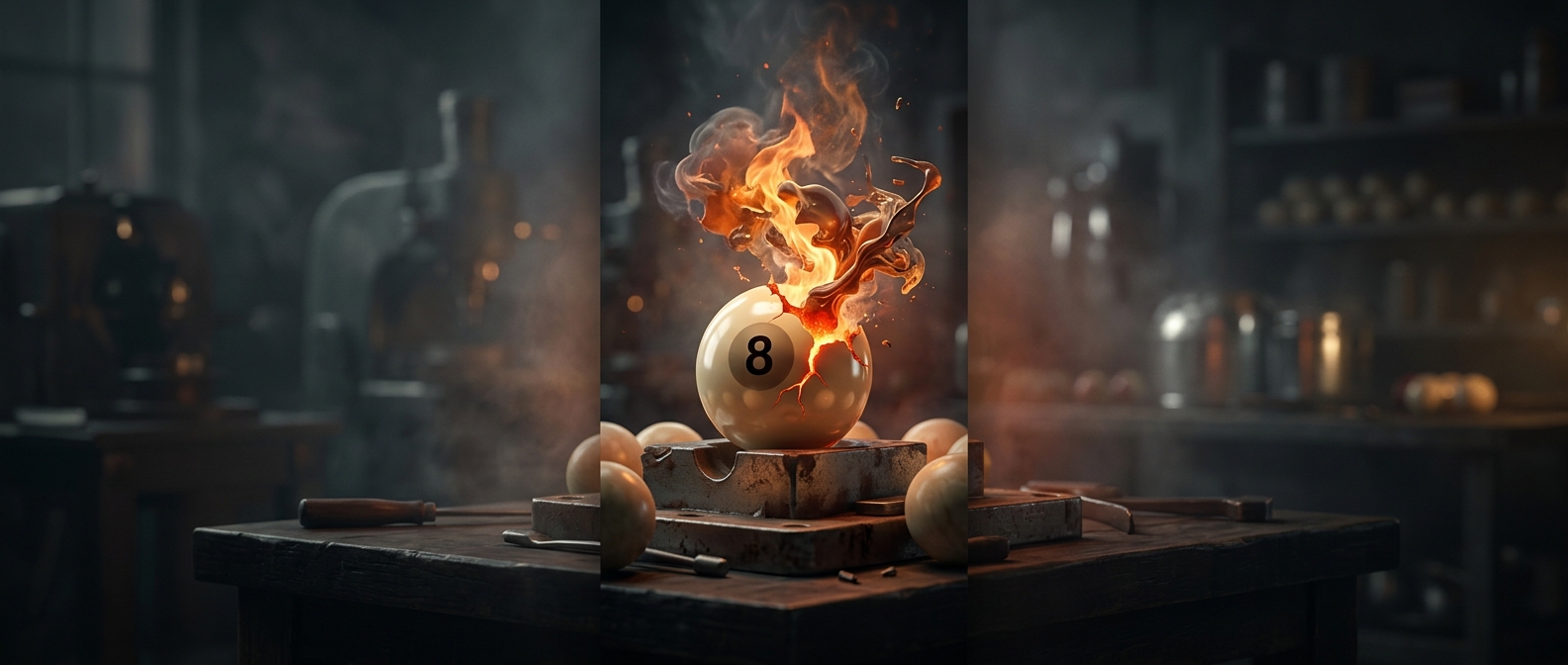
A Plastic Substitute With a Bang
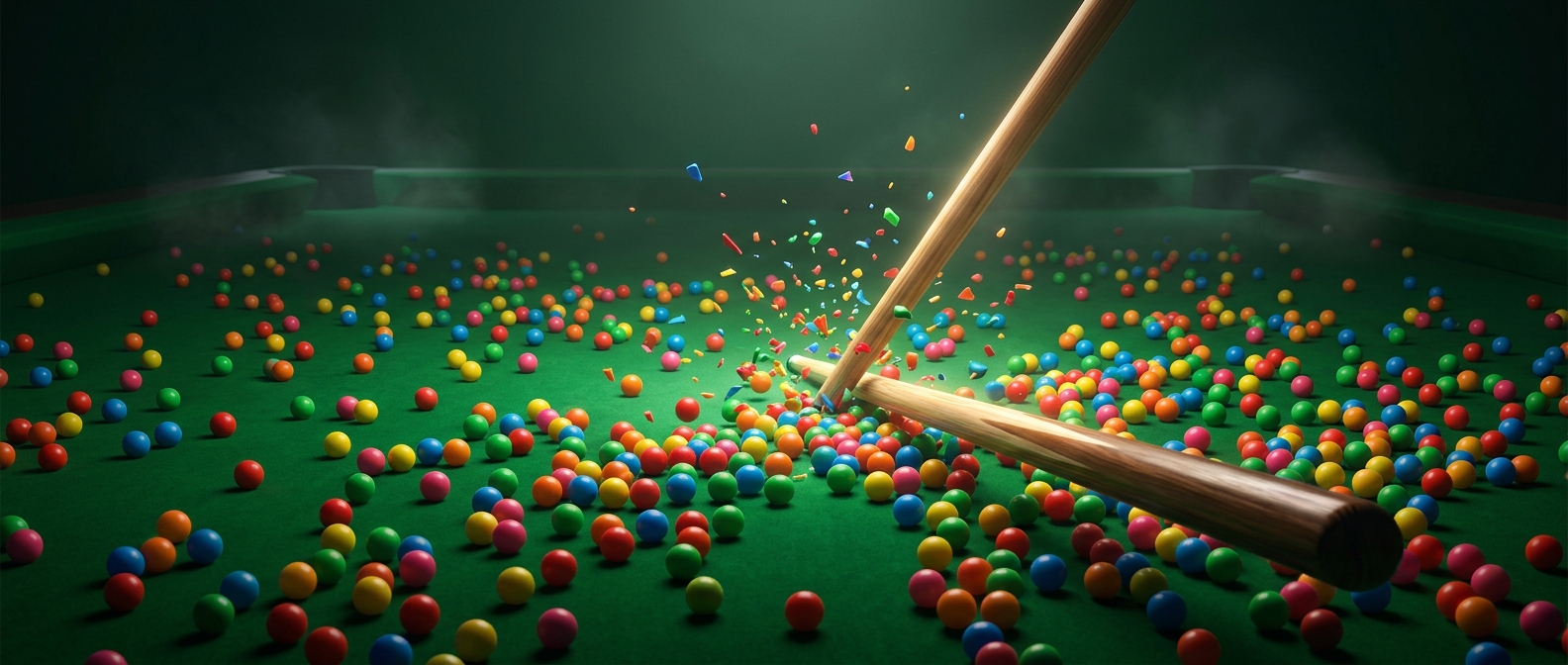
Before modern plastics, billiard balls were commonly made from ivory. Celluloid offered a manufactured alternative, but it came with an unusual hazard: the material was made from chemically treated cellulose and was highly combustible. Under some conditions, celluloid could ignite or break apart violently.
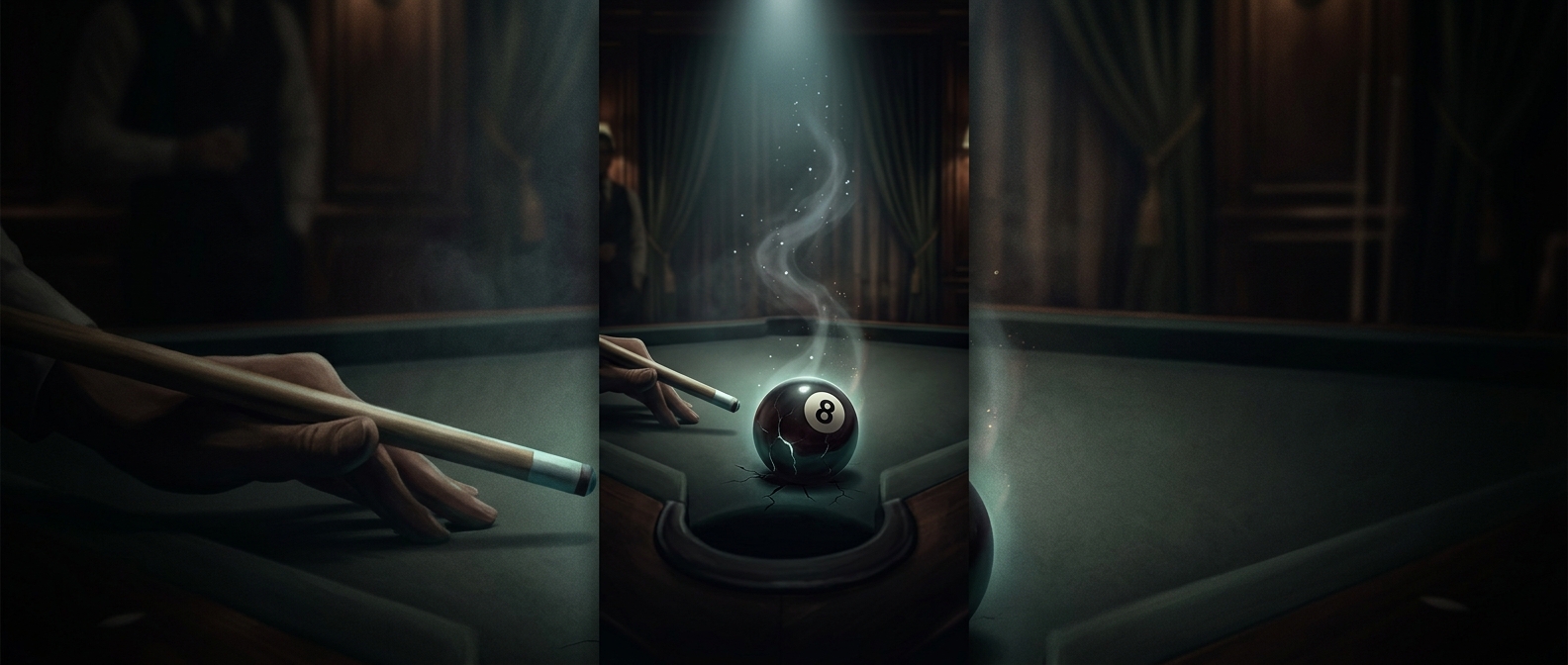
A hard collision between balls—or a ball and the table—could produce a sharp report that sounded startlingly like a gunshot. The noise was not part of ordinary play, and it did not mean every forceful break would set off an explosion. But in a crowded saloon, one sudden bang could make players and bystanders wonder whether someone had fired a weapon.
The Tradeoff Behind the Sound
Celluloid helped billiard makers reduce their dependence on ivory, which was difficult and costly to obtain. Yet a ball designed to withstand repeated impacts had to be made from a material that could itself react dangerously. That made the substitution a practical compromise, not a perfect replacement.
The episode captures a recurring problem in game design: a material can solve one constraint while creating another. Celluloid made billiard balls possible without ivory, but its volatility meant that, on occasion, a routine collision could turn a saloon game into a startling scene.