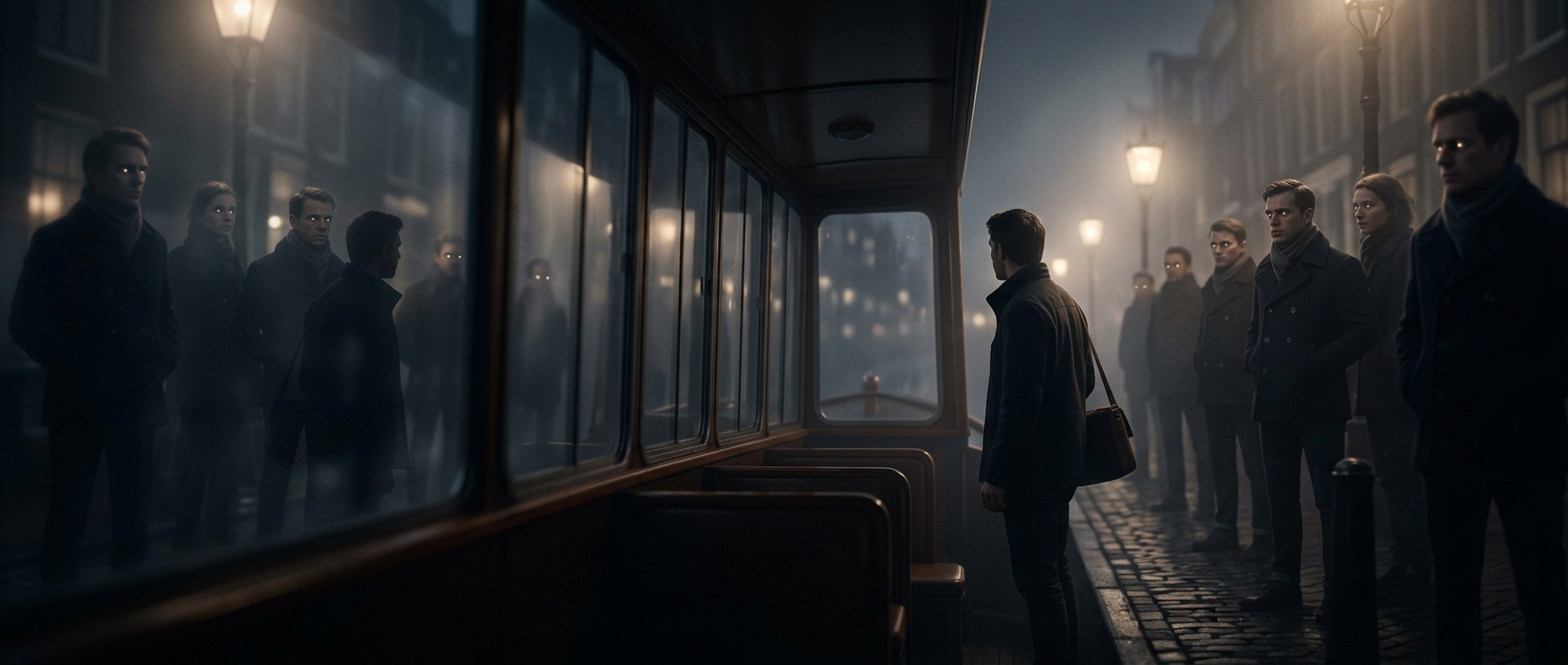
A missed train created a demand for one night, not a full room
In cities where the last train was the practical cutoff for getting home, missing it could leave a worker with an awkward choice: pay for a conventional hotel or find somewhere to sleep until morning. Capsule hotels answered that narrow need with a bed-sized space rather than a private room designed for a longer stay.
The original users described in the hotel’s origin story were often businessmen who had worked late or stayed out past the final train. The point was not to make a tiny pod feel like a home. It was to offer a relatively inexpensive place to lie down and leave the next day.
The pod made the economics work
A conventional hotel spends much of its floor area on private rooms, each with space to move around and, often, its own bathroom. A capsule replaces that room with a narrow sleeping compartment. Stacking pods lets a building fit more beds into the same footprint, helping keep a short overnight stay cheaper.
The tradeoff is privacy and personal space. Guests sleep close together, while washing and other facilities are shared. The fiberglass tube was therefore less a miniature bedroom than a clearly bounded place to sleep: enough separation to rest, without paying for a room’s extra space.
An emergency arrangement became a travel option
That original use explains why capsule hotels can feel so different from ordinary hotels. They are built around a specific gap in the day—the hours between the last train and the next morning—not around settling in. For a stranded worker, the narrow pod’s most important feature was not its shape but the fact that it made staying in the city overnight a manageable alternative to getting home.