Why a Luxury Room Might Not Have Its Own Bathroom
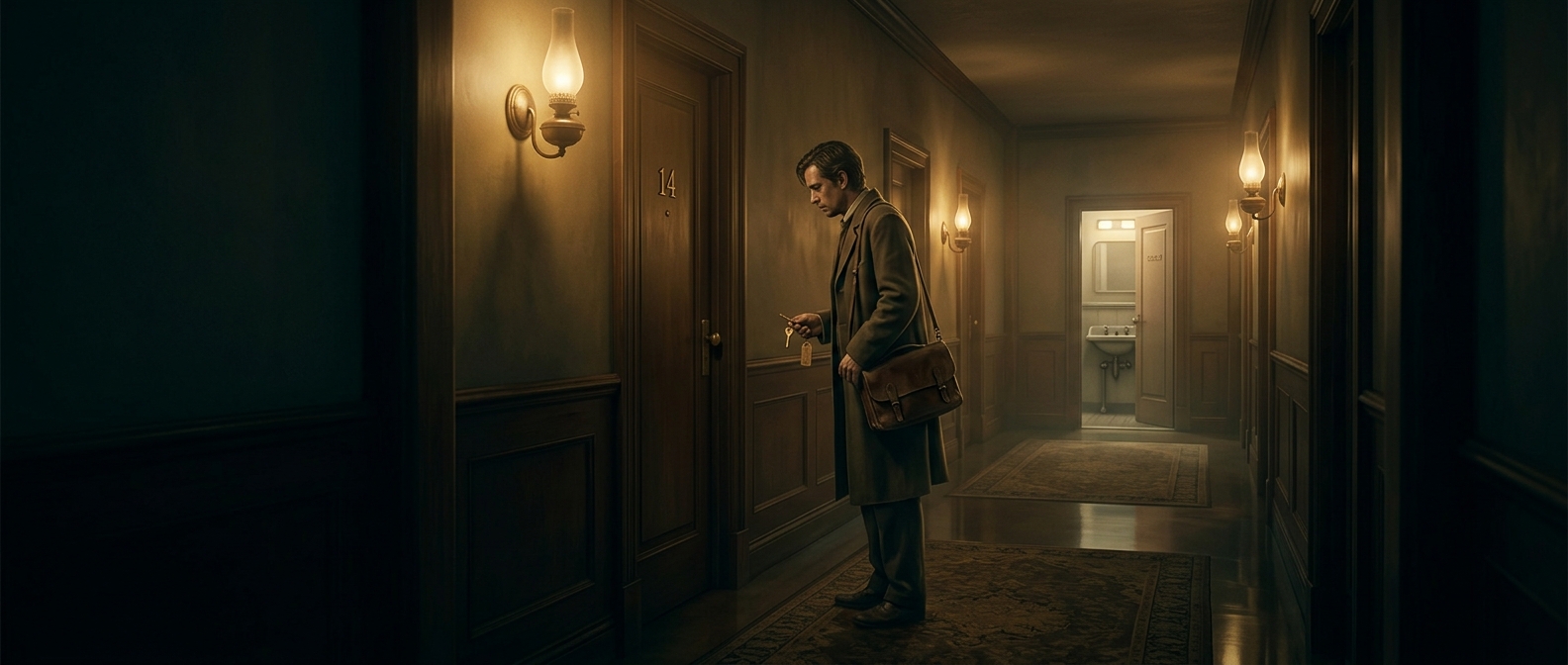
For much of hotel history, comfort did not automatically mean privacy at the washbasin. A well-appointed room could offer fine furniture, attentive service, and a good bed while its occupants still used a washroom shared with other guests down the corridor. In some hotels, that meant dozens of people relying on the same facilities.
The reason was partly practical. A private bathroom needed pipes to bring in water and carry waste away, as well as space for fixtures and a way to heat water. Installing that system in every room was costly and difficult, especially in older buildings. A shared washroom let a hotel provide bathing and washing facilities without duplicating the plumbing throughout the building.
Luxury Was Measured Differently
Hotels could still distinguish themselves through room size, décor, location, dining, and staff service. A private bath was a major convenience, but it was not always the standard by which guests judged a room. The arrangement also reflected a different balance between comfort and personal privacy: guests might accept a walk down the hall as an ordinary part of staying away from home.
As plumbing became easier to install and travelers increasingly expected a bathroom of their own, hotels adapted. Older buildings could be harder to retrofit than new ones, because adding bathrooms meant finding space for pipes, drains, and fixtures in a structure not designed for them. The change was therefore gradual, not simply a matter of deciding that private bathrooms were nicer.
The detail is a reminder that “luxury” depends on what a place makes easy. In an earlier hotel, attentive service might be part of the room’s promise; having to share the washroom was not necessarily a contradiction.