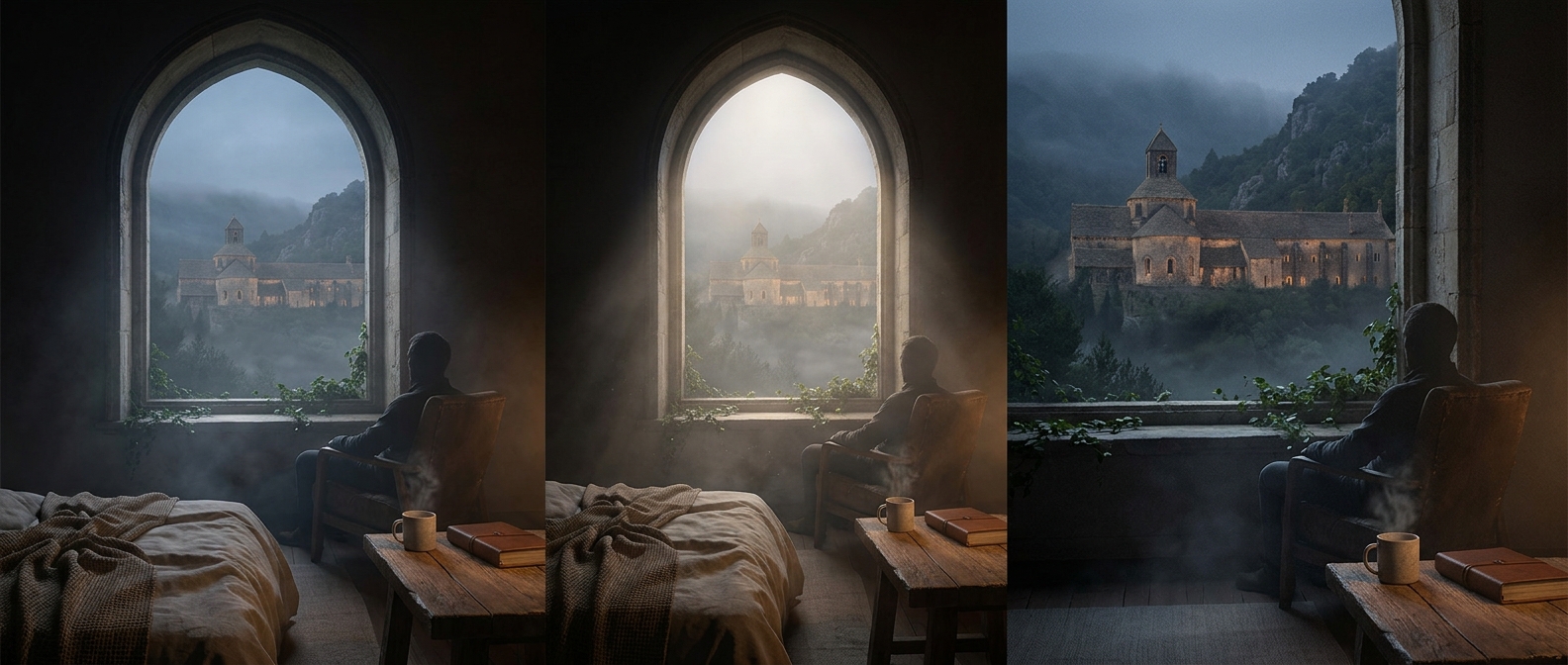
A summer home could be borrowed, not bought
A furnished estate rental solved a practical problem for families who wanted to spend a season away from home: they could move into a complete household without purchasing a second property or arranging to furnish it themselves. The appeal was not simply having a place to sleep. It was having rooms, kitchens, and everyday comforts ready for an extended stay, while keeping the privacy and space of a whole home.
The arrangement also suited homes that were used only part of the year. Renting an estate for a summer let its owners earn income during an empty stretch, while visitors got a temporary residence rather than a hotel room. In that sense, the holiday rental was an exchange built around time: one household had a property available for a season, and another wanted to live there for the same period.
Apps changed the doorway, not the idea
Before online booking, finding such a stay generally depended on personal networks or intermediaries who knew what was available. That made the option far less visible and practical for people outside wealthy circles. Booking platforms made listings easier to discover and compare, and helped bring furnished homes within reach of a broader range of travelers.
The enduring idea is simple: a home can be useful to its owner in one season and to a visitor in another. What changed most was who could find the arrangement—and how easily.