Why abbeys opened their doors to travelers
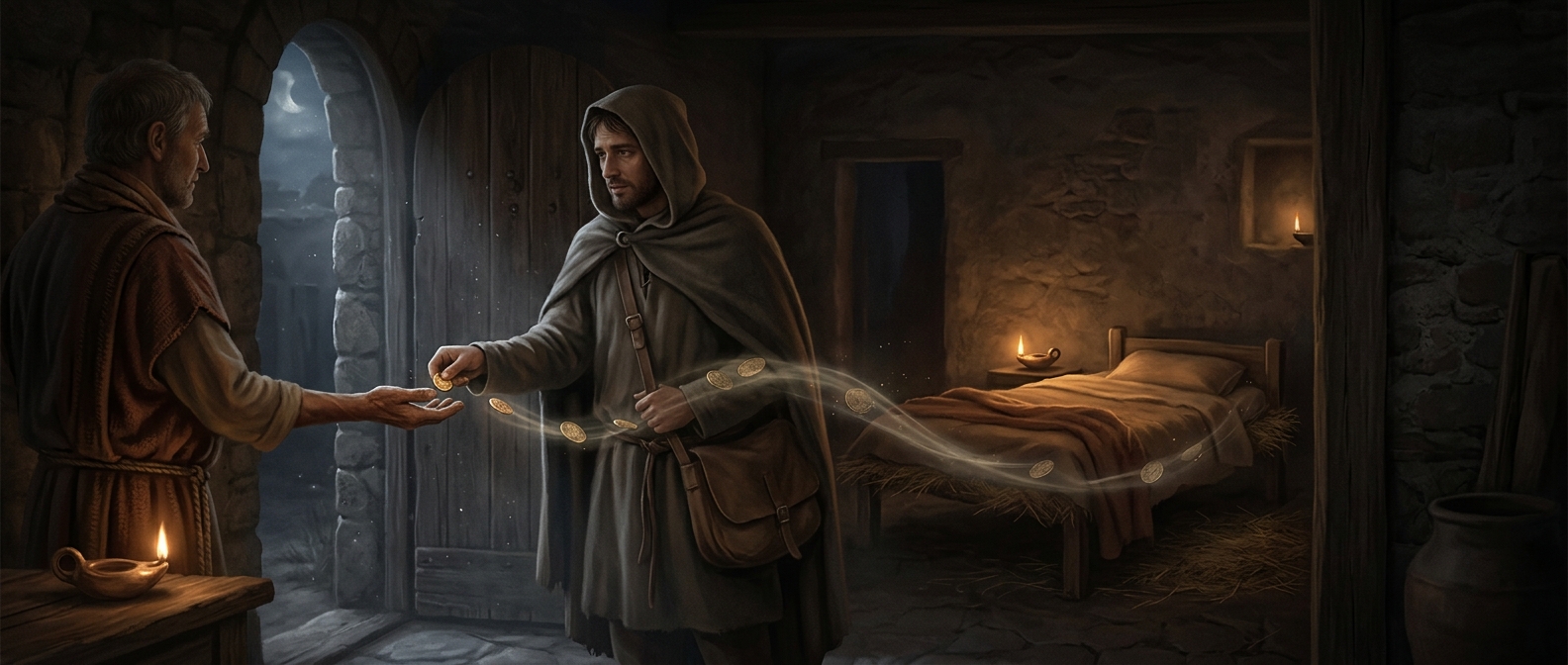
For someone on the road before modern hotels and transport networks, a monastery could be one of the few places to seek shelter. Monks offered travelers a bed and a meal as part of a broader tradition of hospitality: welcoming guests was treated as a religious duty, not simply a way to earn money.
Abbeys were often places where travelers could stop, rest, and receive basic care. Their guest rooms made that welcome practical. A weary visitor might get a simple place to sleep and food from the community’s stores—far less like a private inn than a household extending hospitality to a stranger.
From communal welcome to a familiar kind of stay
The comparison with a modern bed-and-breakfast is easy to see: lodging came with a morning meal, and the host’s home or community was part of the experience. But the resemblance is about the pattern of hospitality, not an unbroken business lineage. Monastic guesthouses served a religious and communal purpose; today’s B&Bs are private lodging businesses.
That older model helps explain the appeal of a B&B: it offers more than a room. Like a traveler welcomed at an abbey door, a guest arrives somewhere personal, where a host can provide a bed, breakfast, and a small connection to the place.