Why Machu Picchu’s terraces need tending
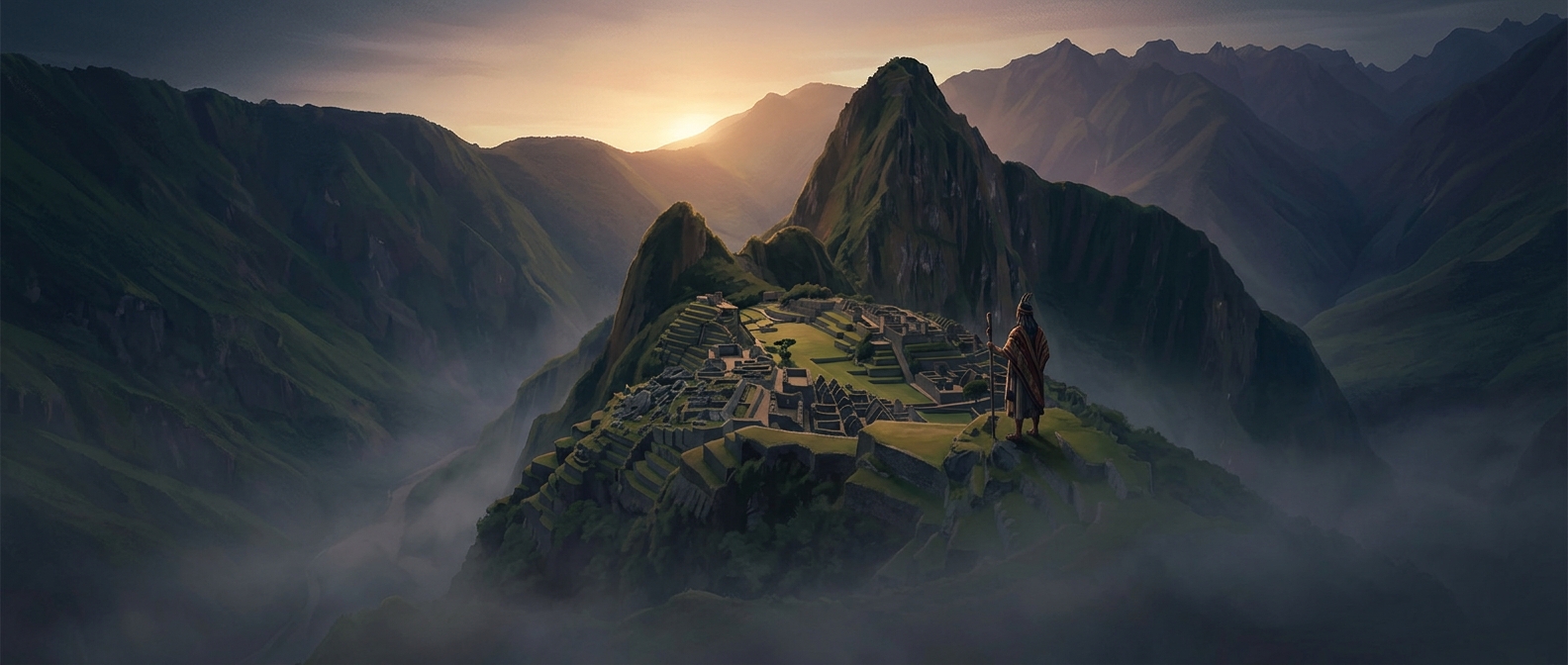
The terraces at Machu Picchu are not broad, level lawns. They step across steep mountain slopes, bordered by ancient stonework and reached by routes where bringing in ordinary mowing equipment would be awkward. Left alone, grass and other fast-growing plants can become harder to manage around the ruins.
Llamas offer a simple way to keep that growth in check: they eat the vegetation as they move across the grounds. Their work is especially useful on uneven areas where machines would be difficult to transport and operate.
Grazing as part of site care
This is not just a picturesque detail. It is a practical choice shaped by the site’s terrain: instead of carrying fuel and machinery up the mountain, caretakers can use animals already suited to walking through rugged landscapes. The llamas’ presence also gives visitors a visible glimpse of how maintaining a famous archaeological site can depend on low-tech solutions.
Grazing still has to be managed; animals cannot be allowed to damage the very ground and stonework they help keep clear. But on Machu Picchu’s steep terraces, a llama eating its way across the grass can do a job that would otherwise require a difficult trip for a mower.