A royal estate, not an ordinary city
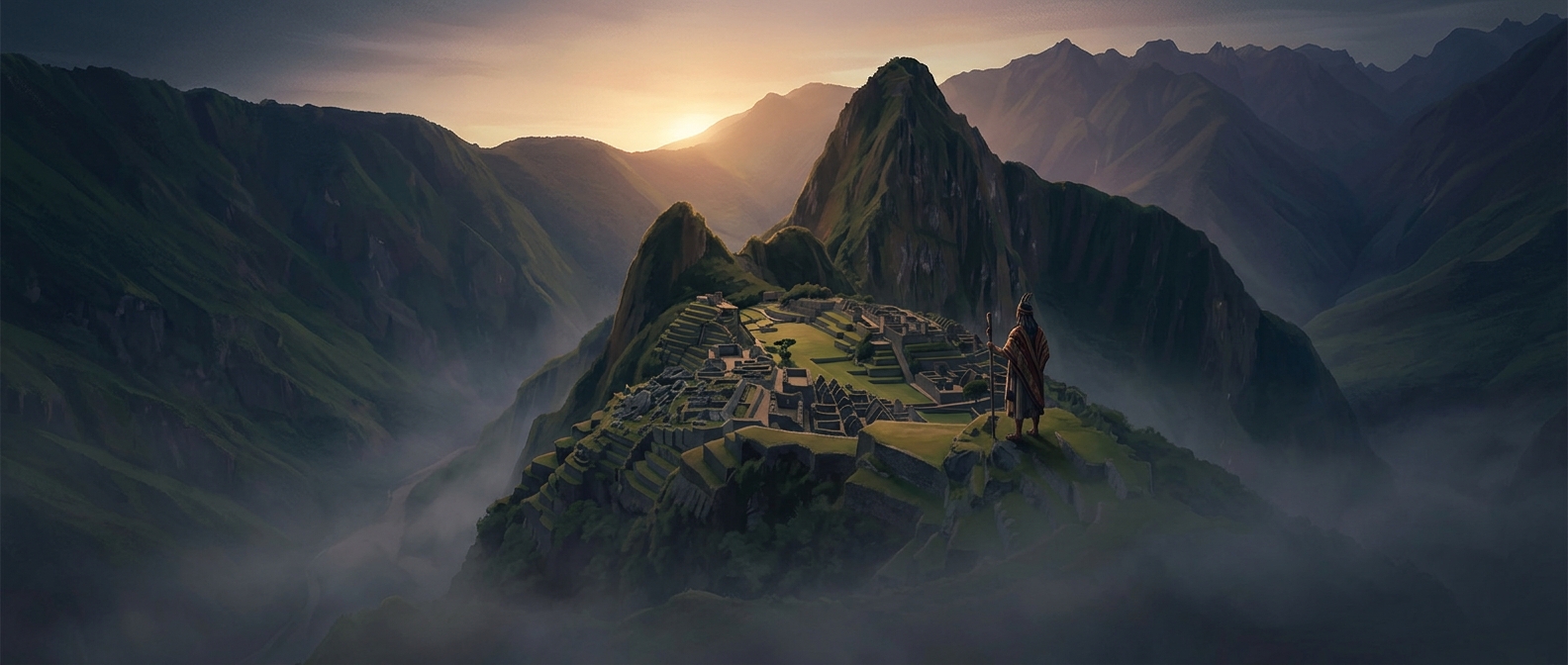
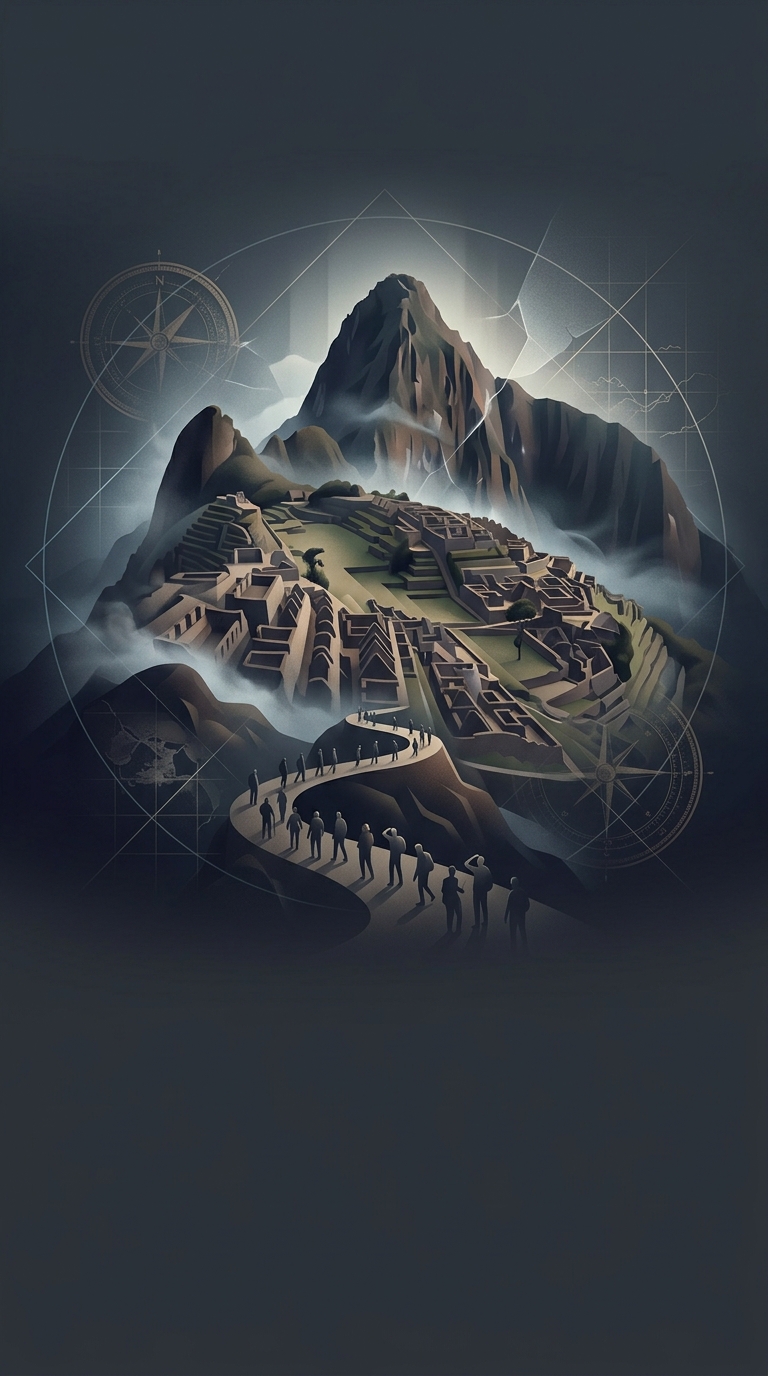
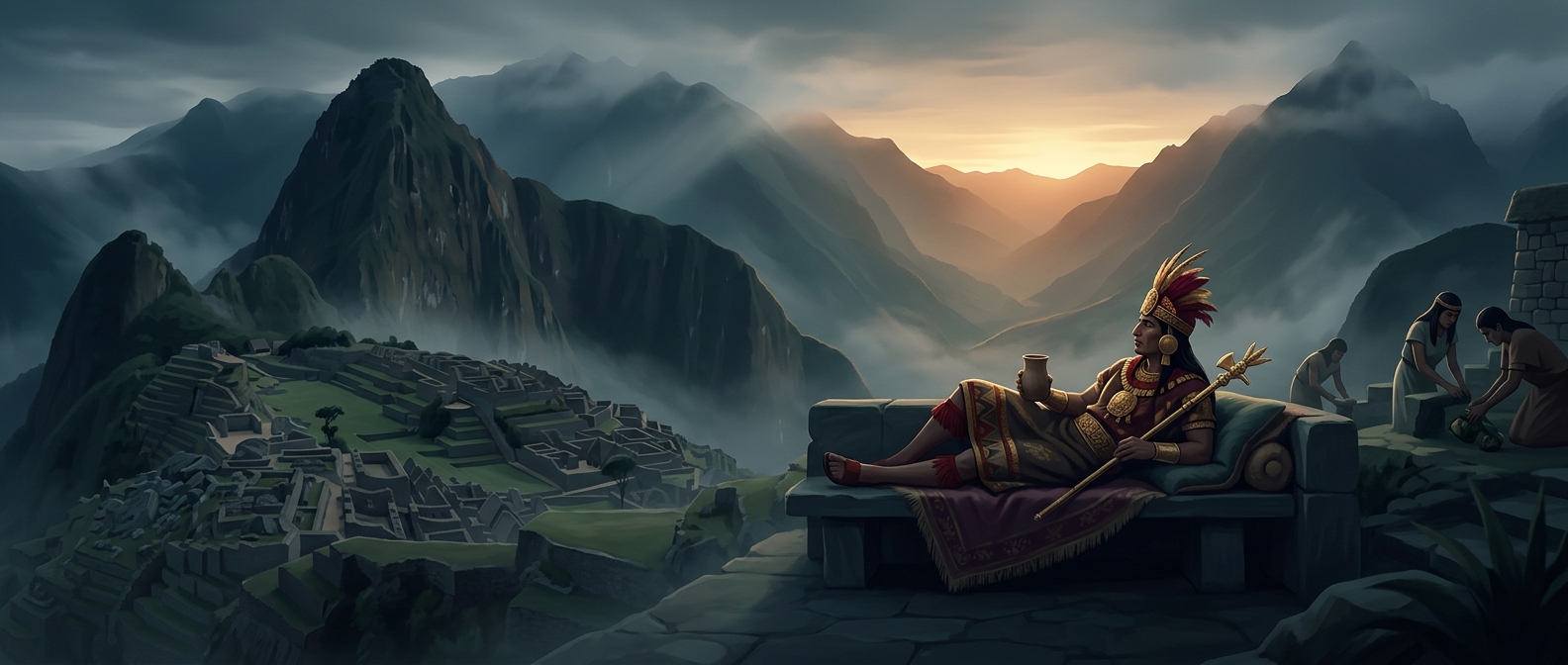
Machu Picchu’s dramatic setting can make it seem like a fortress or a remote capital. Archaeologists generally interpret it instead as a royal estate associated with the Inca ruler Pachacuti, who lived in the 15th century. It offered a place for the ruler and his entourage to stay, conduct ceremonies and enjoy the surrounding landscape—not a home for a large, permanent population of ordinary residents.
That distinction helps explain why the site contains both finely built ceremonial and residential spaces and the practical infrastructure needed to keep an elite household running. The emperor’s privacy depended on many other people: attendants, craftspeople and workers who maintained buildings, prepared food and tended the grounds.
Water and terraces made the retreat work
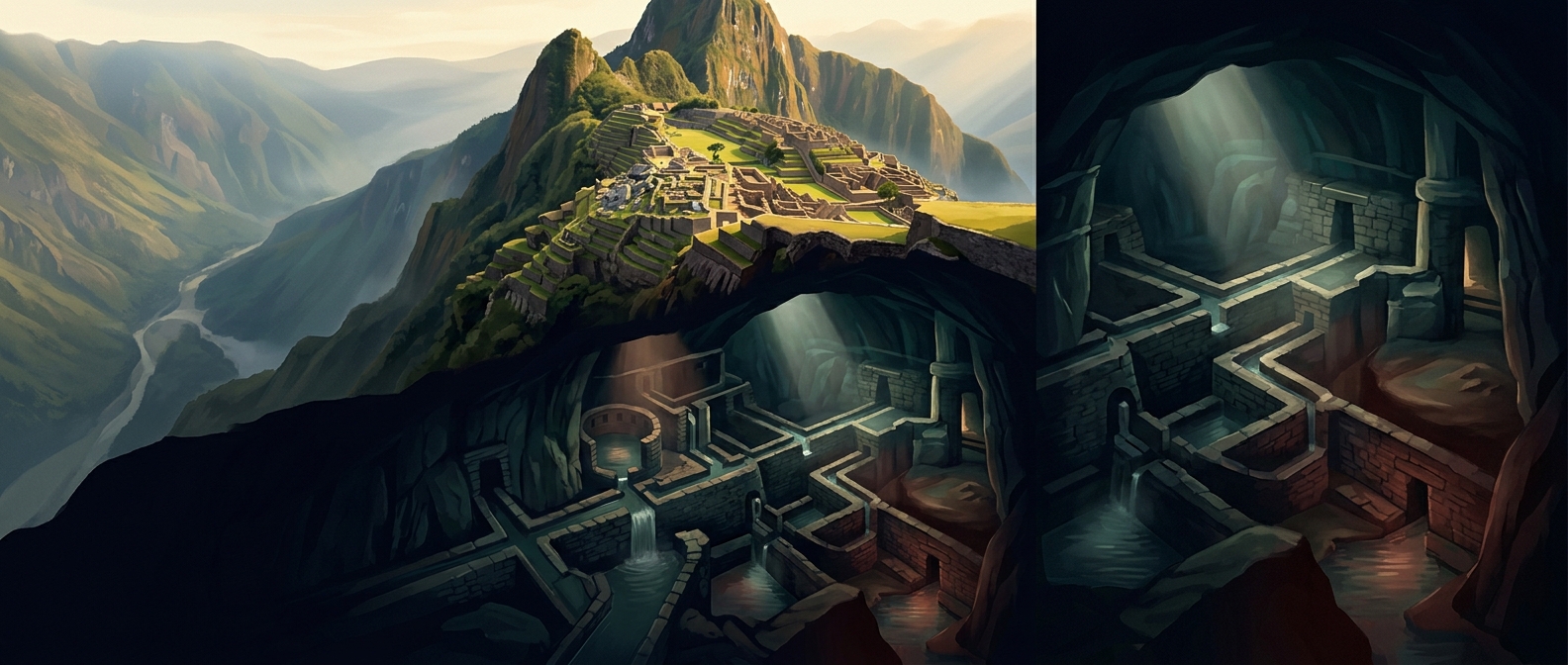
The estate’s comforts relied on careful engineering. Inca builders directed spring water through stone channels to a sequence of fountains, supplying the settlement and providing water for bathing. Gravity did much of the work: the channels followed the slope, carrying water downhill without pumps.
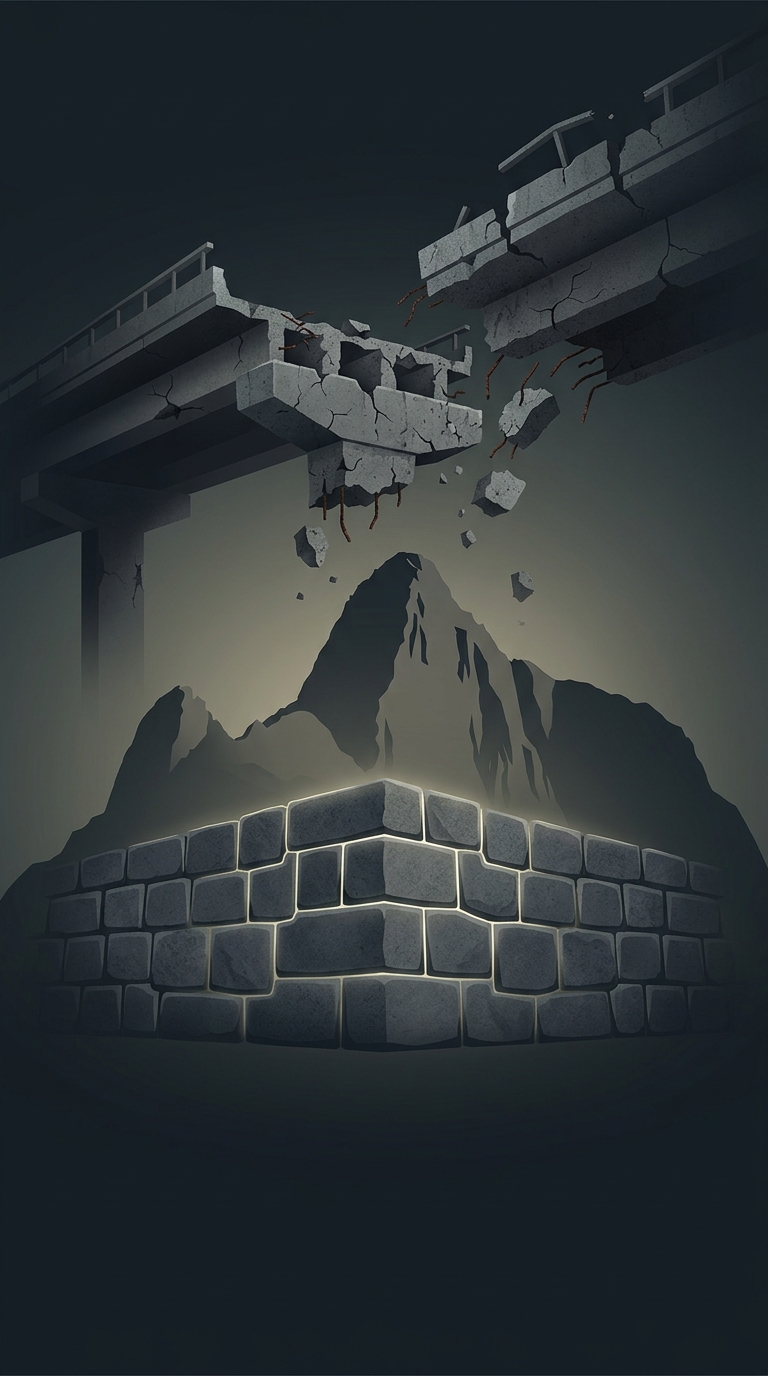
The steep terrain also needed to be made usable. Terraces—level platforms cut into a hillside and held in place by stone walls—created ground for cultivation while helping control erosion. Beneath them, layers of gravel and other drainage materials helped move heavy rainwater away. These systems were not decorative extras; they helped protect the buildings and support the people who kept the estate functioning.
The landscape was part of the experience
Machu Picchu’s isolation and views were not separate from its purpose. The ridge offered distance from everyday political life, while the surrounding peaks and carefully shaped grounds made the estate a setting for both private residence and public ritual. Its striking balance of seclusion and elaborate infrastructure is what makes the “retreat” idea vivid: the emperor’s escape from ordinary life was possible because an entire working estate was built around it.