Why naked-photo stunts became a security concern at Machu Picchu
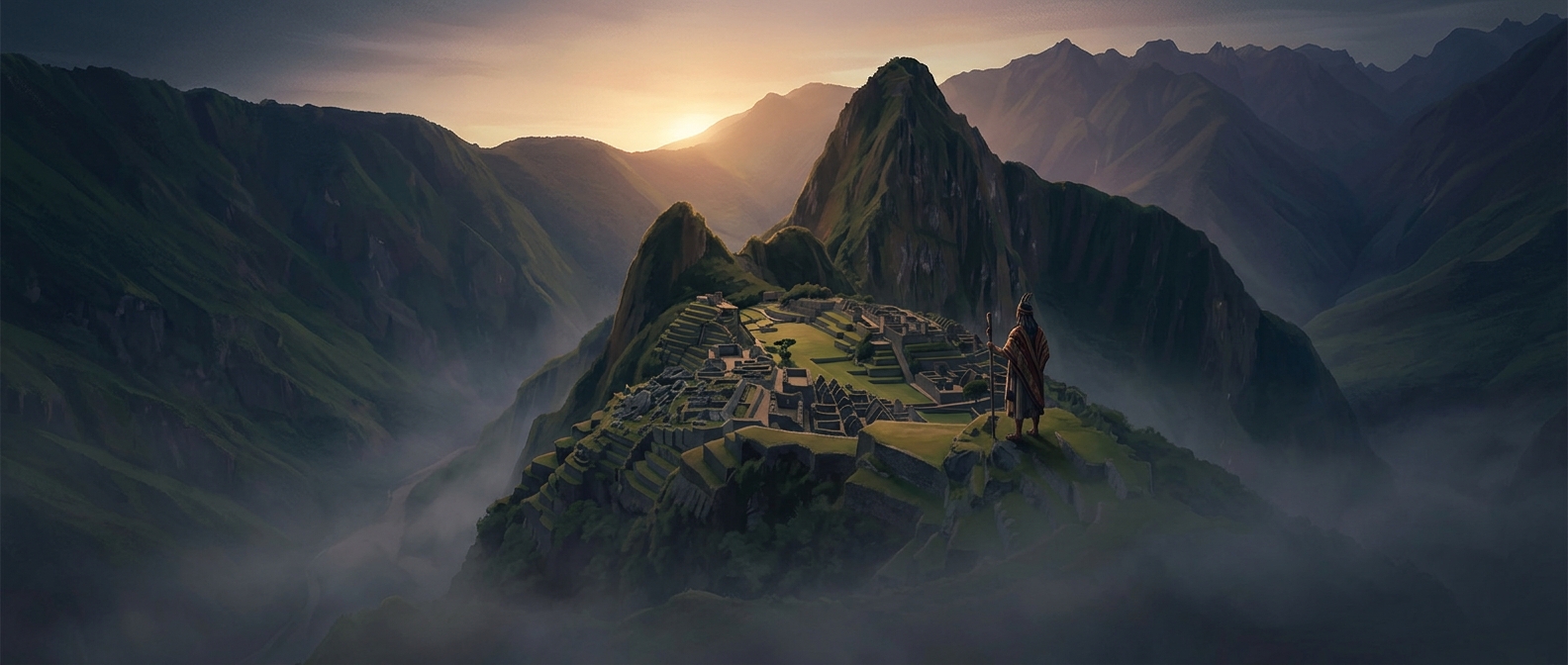
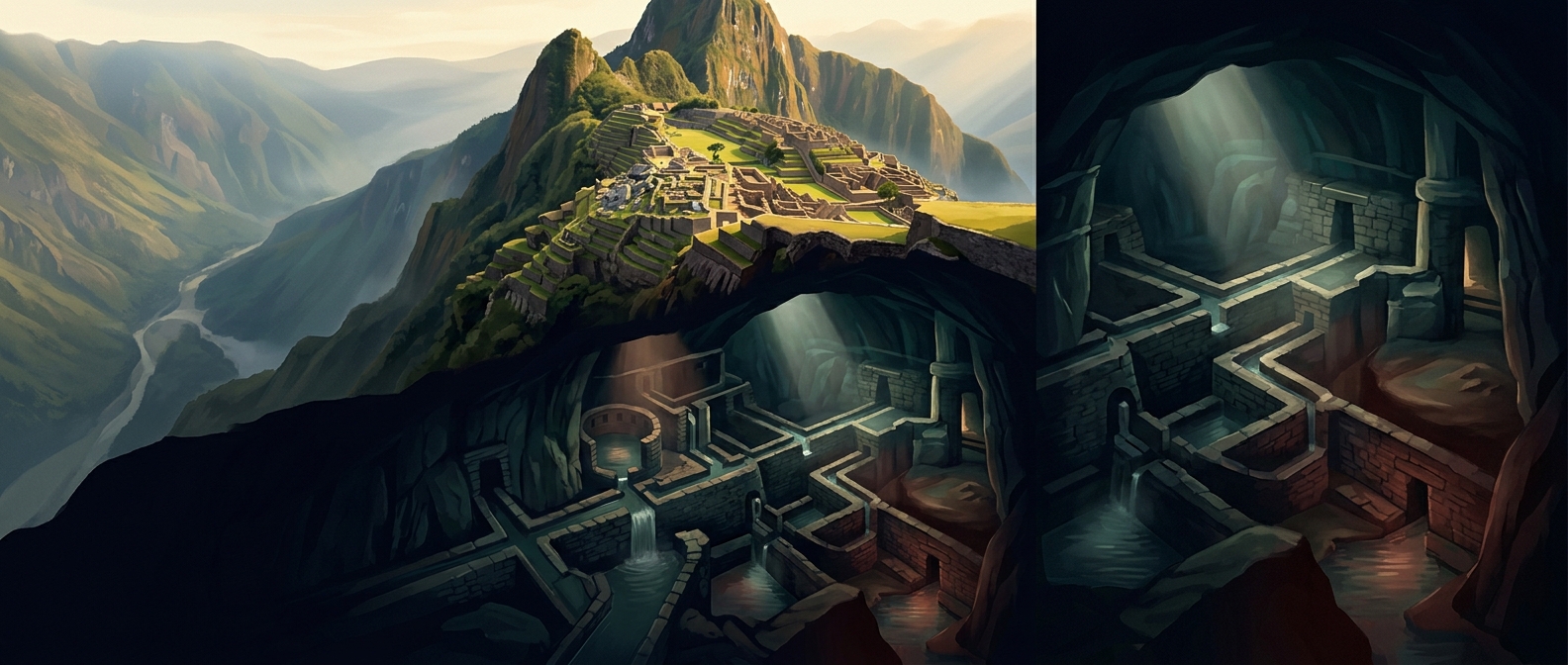
At Machu Picchu, a visitor’s photo is not just a private souvenir. The citadel is a major archaeological site and a place with deep significance in Peruvian culture, so stripping among its ruins can turn an individual stunt into a public affront. Some visitors presented nude photography as a spiritual experience; authorities emphasized that the behavior disrespected local culture.
That difference in interpretation matters. A visitor may see a dramatic backdrop for a personal ritual or social-media image, while people responsible for the site must consider how the act affects other visitors and the standing of a culturally important place. Calling the stunt “spiritual” does not settle that conflict.
What added security is meant to do
Rangers trained to watch for visitors undressing can respond before a photo session unfolds among the ruins. Their role is not simply to react after images spread online: visible attention can help deter the behavior, while staff can intervene when someone begins stripping. Authorities’ warnings also make clear that the issue is not ordinary photography but conduct they consider inappropriate at the site.
The response reflects a practical tension in popular heritage destinations: the more a place attracts people seeking unusual, shareable experiences, the more work it takes to keep visits compatible with its cultural meaning. At Machu Picchu, that means rangers must watch not only where visitors go, but what they plan to do once they arrive.