How Machu Picchu’s Stone Walls Ride Out Shaking
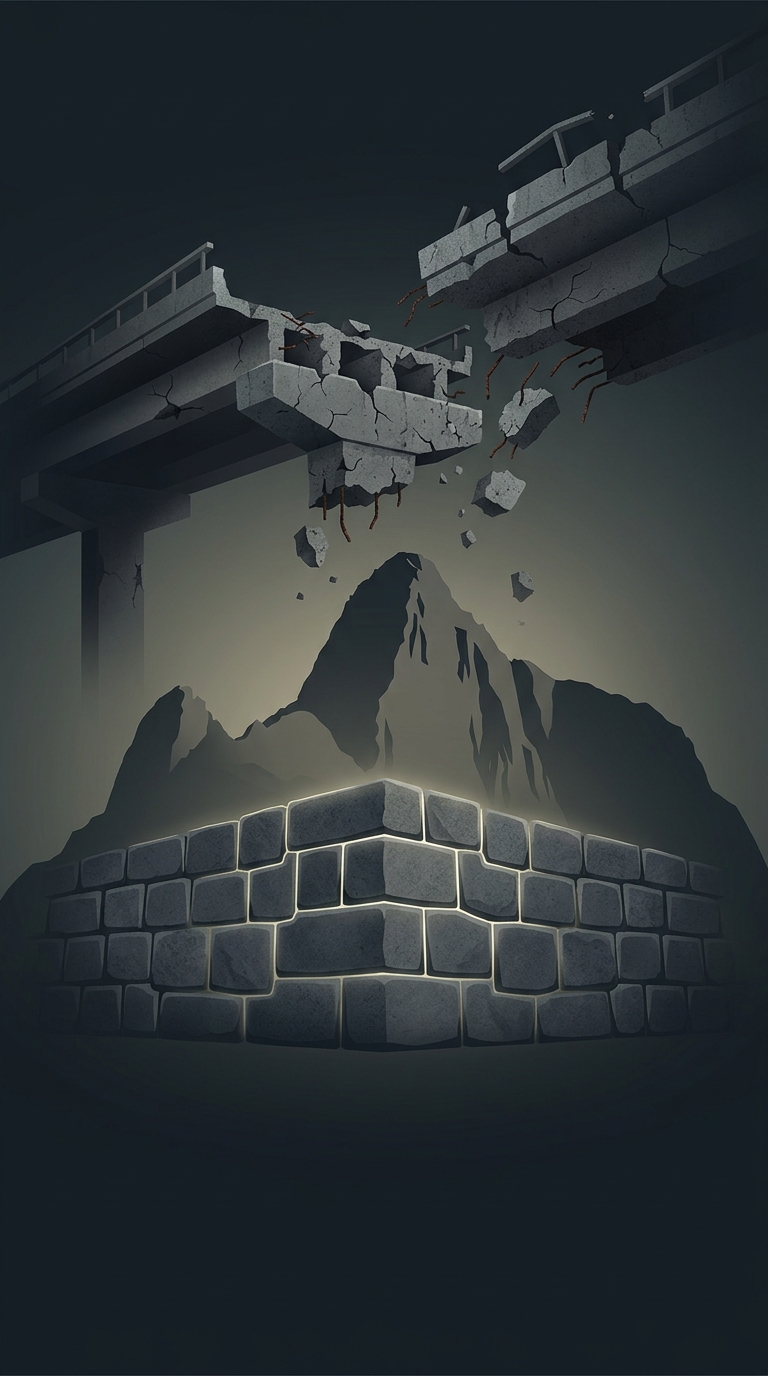
Machu Picchu’s walls were built from carefully shaped blocks fitted directly against one another, without mortar. This technique, called ashlar masonry, made the joints remarkably tight: some stones have multiple angled edges that interlock with their neighbors like pieces of a three-dimensional puzzle.
That close fit is not merely decorative. In an earthquake, ground motion can make a rigid wall crack along its joints. A dry-stone wall has a little more freedom: blocks can shift against one another, absorbing some movement instead of forcing a brittle layer of mortar to take all the strain. If the shaking is limited, gravity and the blocks’ fit can help them settle back into position. They do not literally spring back perfectly, and no masonry is immune to severe earthquakes.
The Ground Beneath the Citadel Matters Too
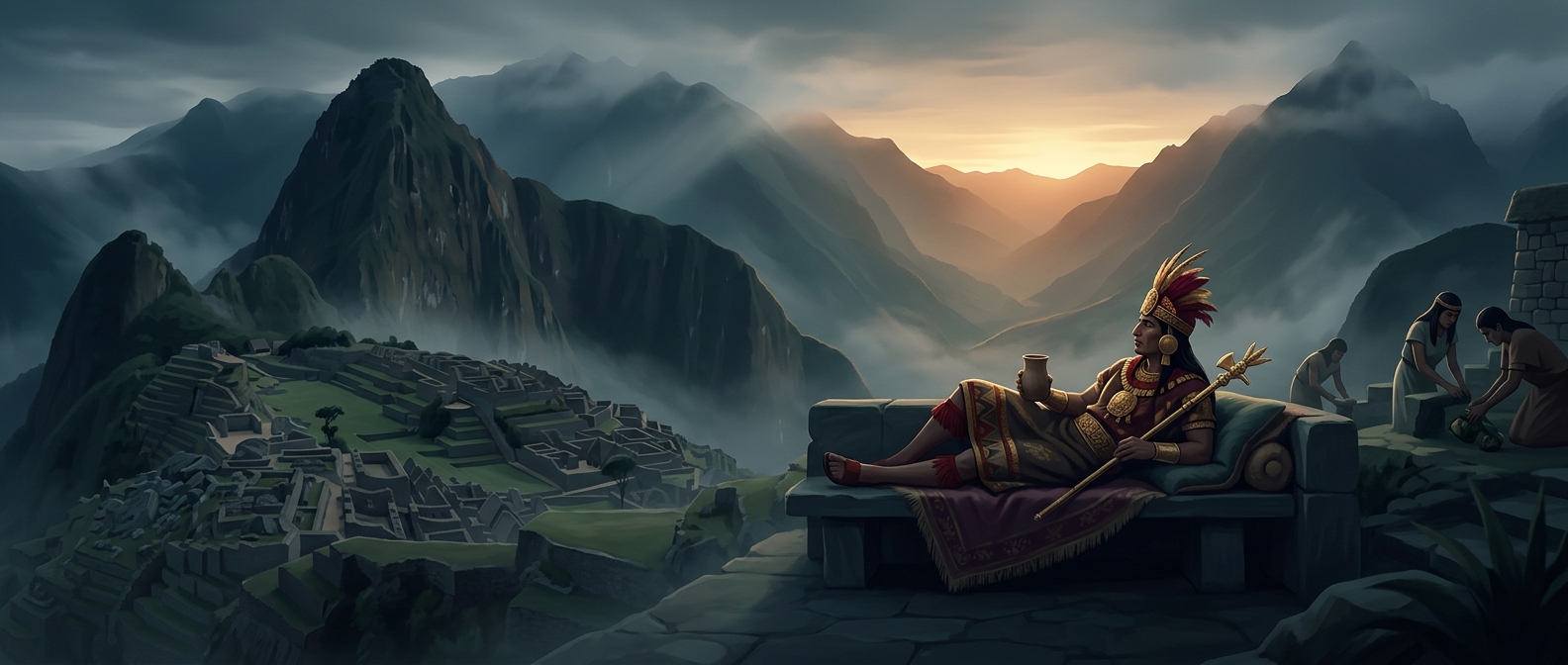
The walls are only part of the engineering. Machu Picchu sits on steep, rugged terrain, where heavy rain and unstable ground pose their own threats. Builders used terraces to support slopes and manage water, while drainage beneath the site helps keep water from collecting in the soil and undermining structures. On a mountain, controlling where water goes is essential to keeping stonework in place.
The result is a system in which the shape of each block, the mass of the wall, the sloping site, and water management all matter. The stones’ precise joints are the most visible feature, but their resilience depends on more than a clever fit: the walls were built to work with movement, while the broader site helps limit the forces that can destabilize them. That is why a narrow, mortarless joint can tell only part of the story of how the citadel has endured.