A royal retreat, not a vanished capital
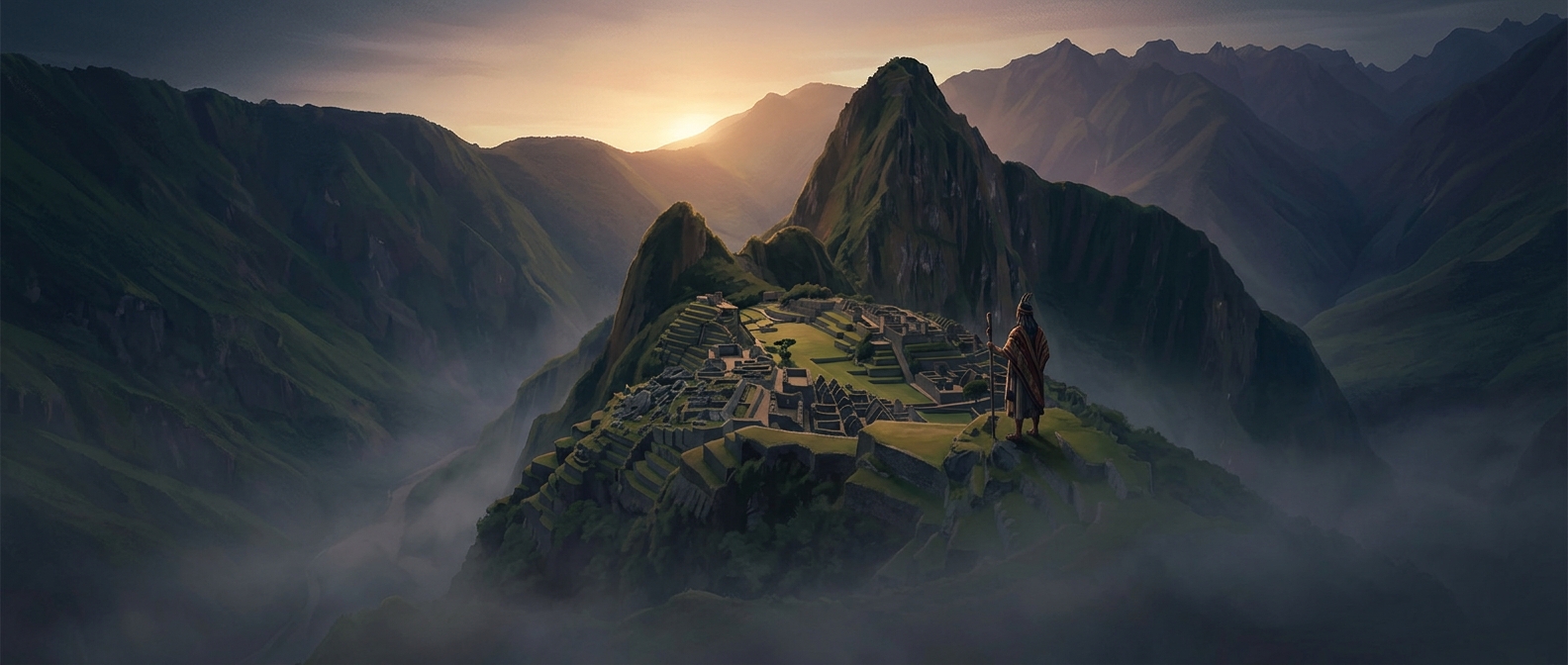
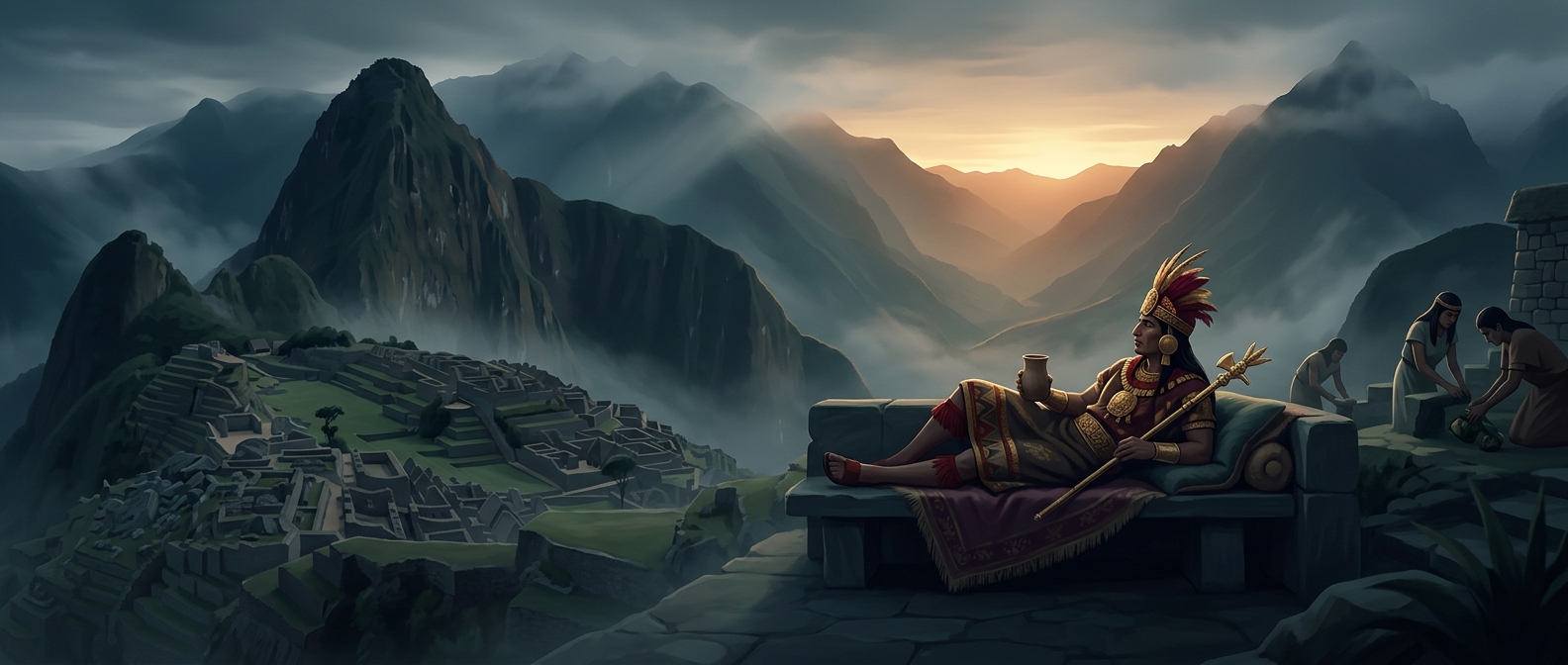
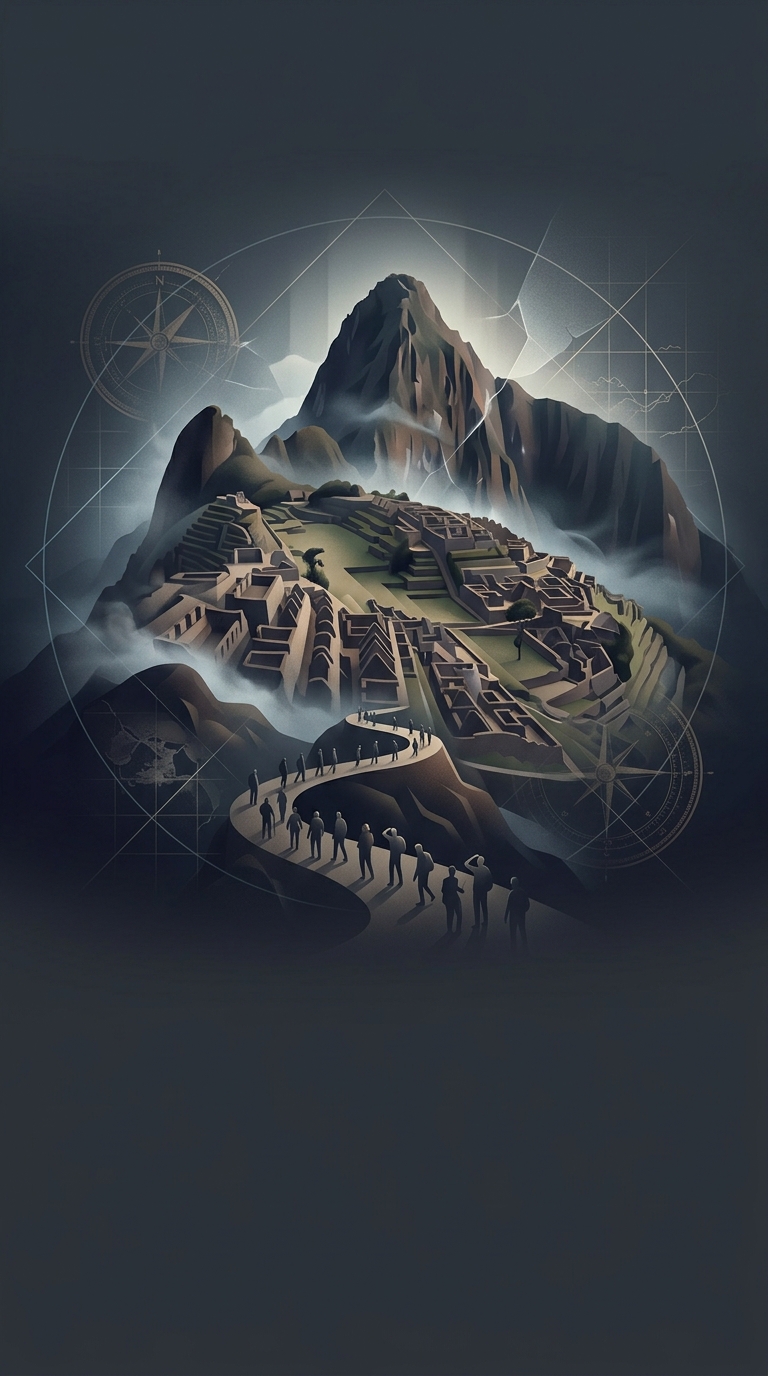
Machu Picchu makes more sense as a royal estate than as a hidden city. In the fifteenth century, the Inca emperor Pachacuti had a mountaintop complex built with residences, ceremonial spaces, and terraces for growing crops. It was a place where the ruler and his court could stay, supported by people who maintained the buildings, fields, and water system—not a metropolis meant to hold the whole Inca population.
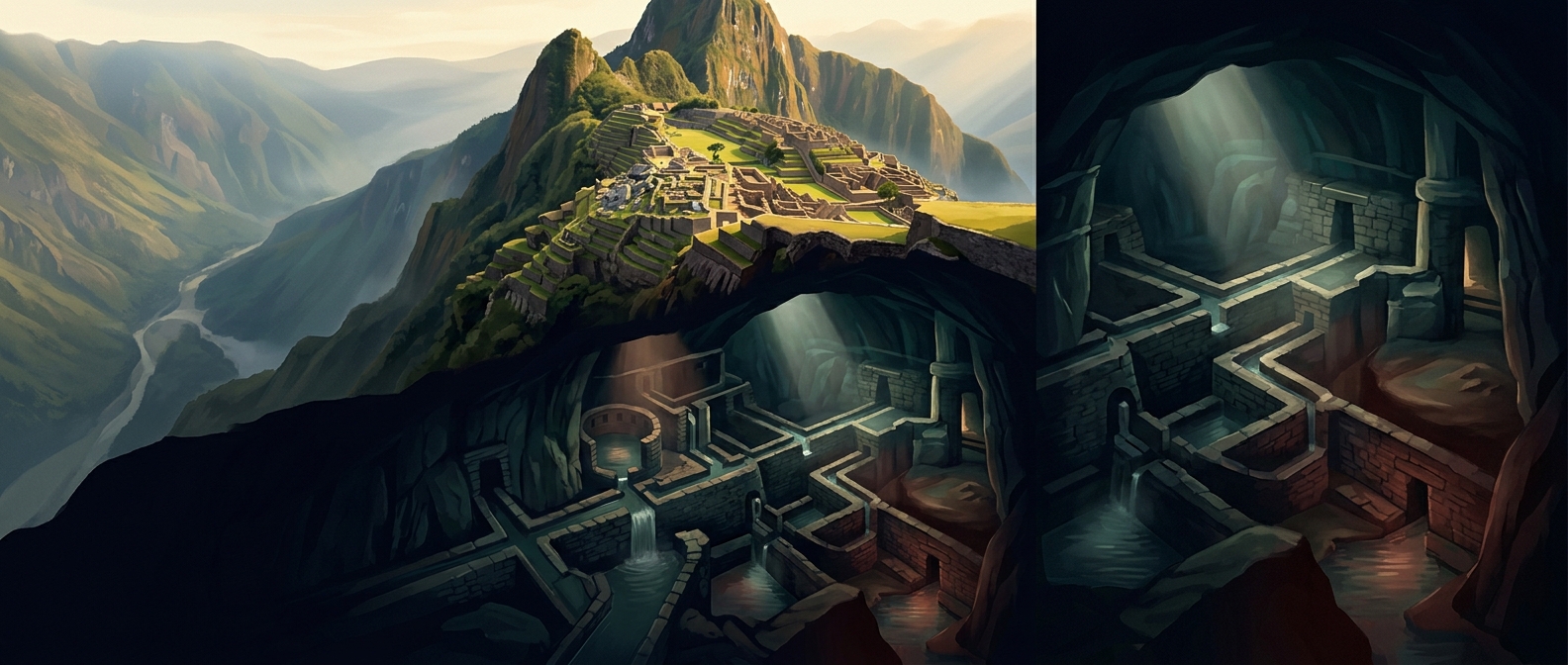
Its terraces were practical infrastructure as well as a striking feature. Cut into steep slopes, they created level ground for cultivation and helped manage water and soil. Stone channels carried water through the complex, making sustained use of this high, rugged site possible.
How “lost city” became the story
When Hiram Bingham arrived in 1911, Machu Picchu was not unknown to people living nearby. Local farmers knew the ruins, and a local guide led Bingham to them. The “lost city” label reflected Bingham’s search for a major Inca center and the dramatic impression of discovering extensive ruins in a remote setting; it did not mean the place had disappeared from local knowledge.
That distinction changes the story of the site. Machu Picchu was not a civilization’s missing capital suddenly recovered from the jungle. It was a purpose-built royal landscape whose buildings and terraces endured after the Inca world changed—and whose local knowledge helped bring it to wider attention.