Why Machu Picchu Is Routed, Not Roamed
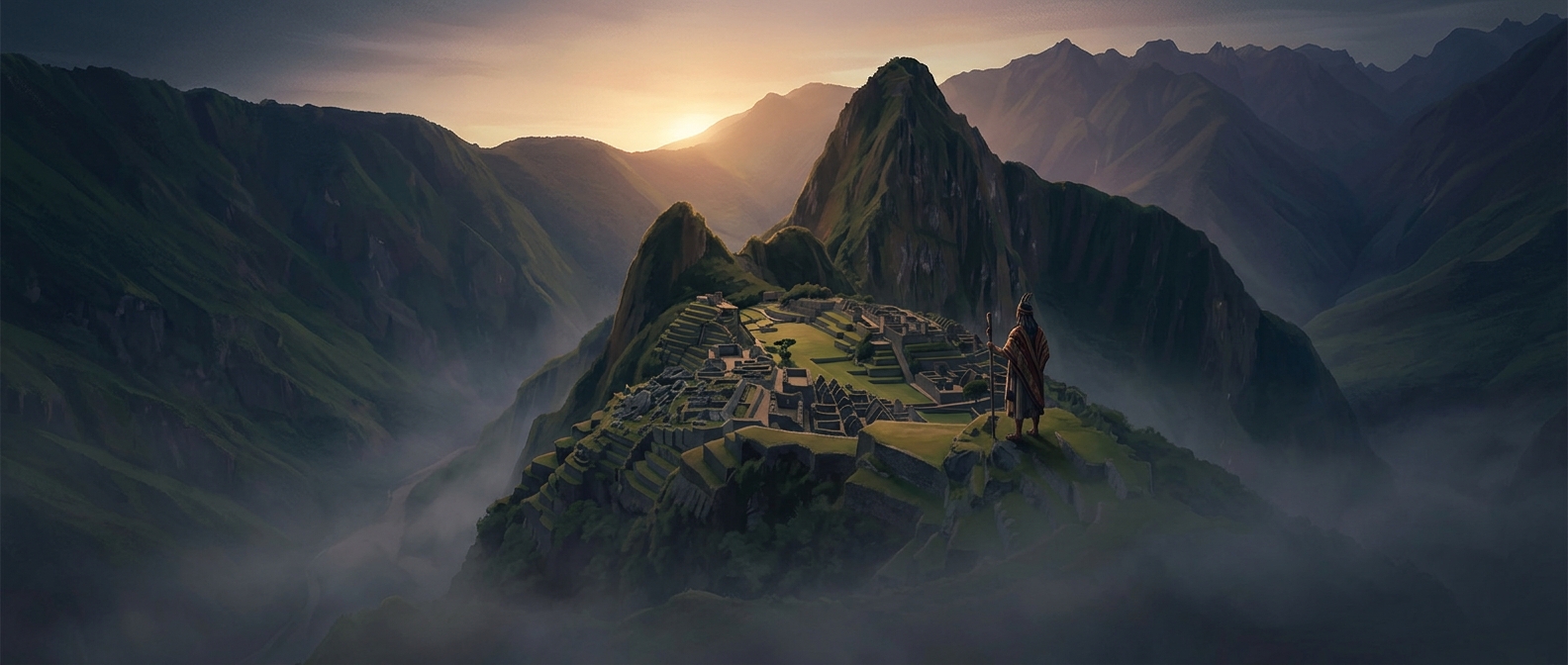
Machu Picchu’s stone buildings are only part of what needs protecting. The citadel sits on a steep mountain ridge, where narrow paths, terraces, and exposed ground leave little room for crowds to spread out. Repeated footsteps can wear down paths and disturb soil; bottlenecks can also push visitors toward fragile edges or ancient masonry.
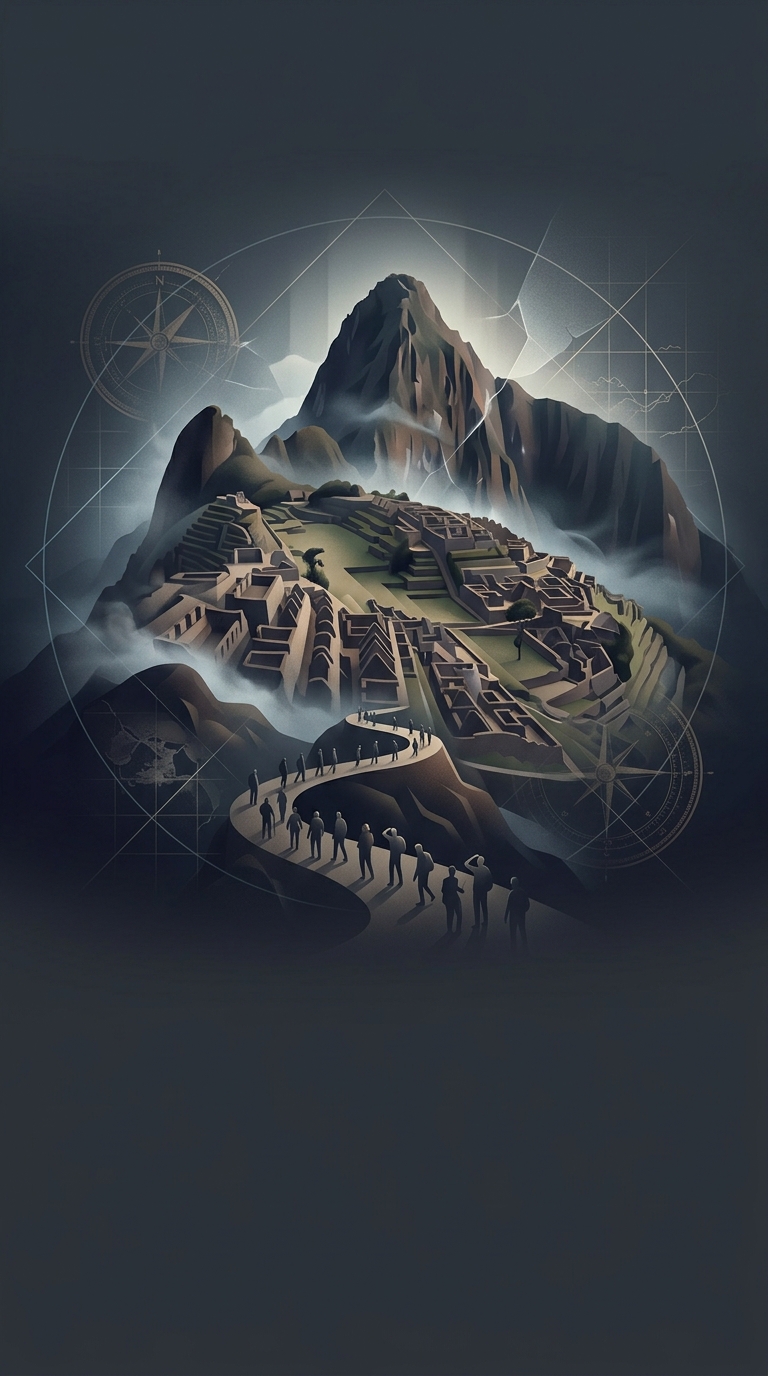
A one-way circuit turns a visit into a managed flow. Rather than letting people double back through the same narrow passageways, routes guide them through designated sections in sequence. That helps keep opposing crowds from meeting head-on and reduces the pressure to step off the path to pass or pause.
The Tradeoff: Flow for Freedom
Timed visits and assigned routes make the experience less spontaneous. A visitor who passes a viewpoint may not be able to return to it, and lingering can affect everyone scheduled behind them. In return, staff can spread arrivals and movement across the site instead of allowing a surge to collect around a few popular spots.
The rules also shape what visitors see: a circuit is a particular walk through the ruins, not an invitation to explore every terrace or doorway. The goal is to let large numbers experience the citadel while limiting how often—and where—their feet meet its vulnerable ground.
That constraint is especially tangible at a place built into a narrow ridge: a missed photograph may be disappointing, but doubling back through a crowded passage can add wear and delay for hundreds of people. The route is part of the preservation plan, not just a wayfinding convenience.