The hidden work beneath the terraces
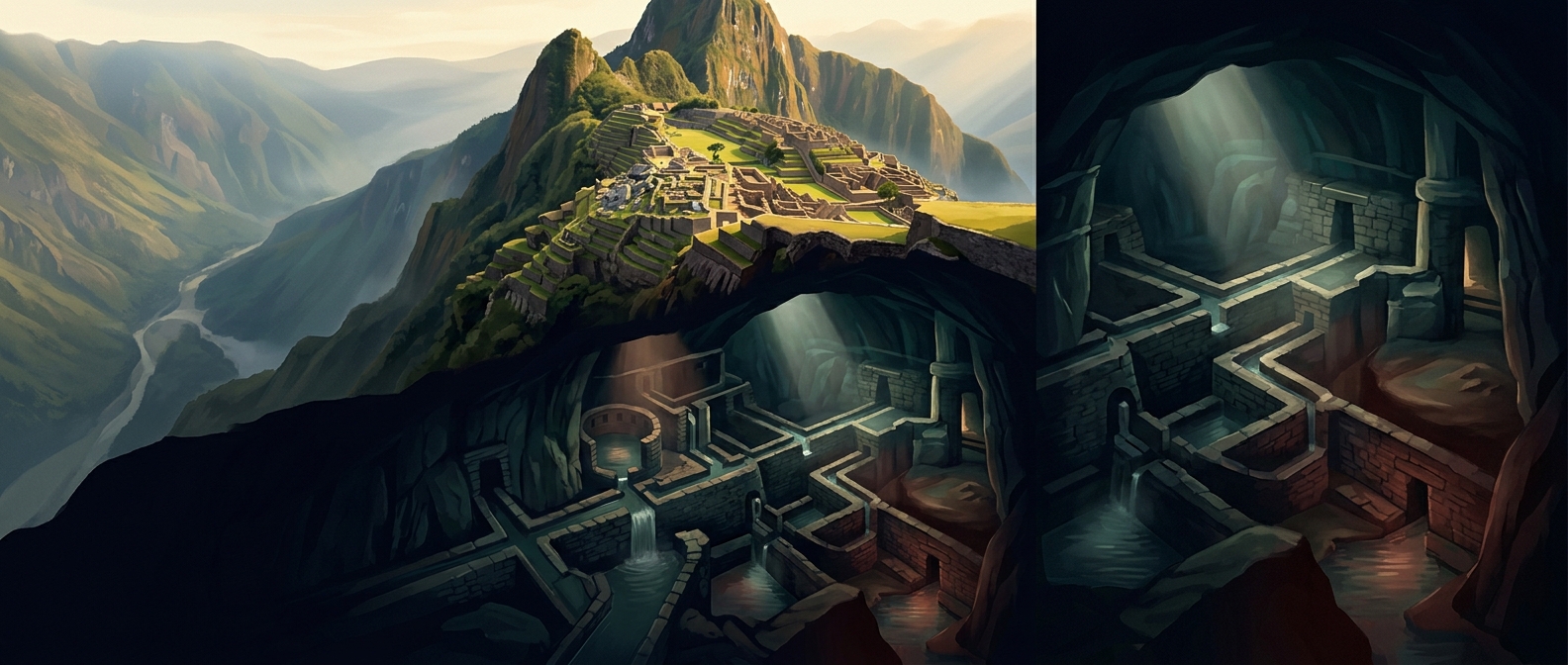
Machu Picchu’s terraces were not simply flat strips of soil cut into a steep mountainside. Each one acted as a small retaining structure: stone walls held the slope in place, while layers beneath the planting surface gave rainwater somewhere to go. The drainage was built into the ground, out of sight.
That mattered in a place where heavy rain could quickly soak the soil. Waterlogged earth becomes heavier and presses harder against a terrace wall; water flowing over the surface can also carry soil downhill. A buried route for runoff helps relieve both problems, reducing the chance that a wall will buckle or a terrace will wash away.
A terrace that manages water
The layers beneath a terrace can slow and filter water as it moves down through the soil, then channel it toward the slope rather than letting it pool behind the wall. In effect, the structure does two jobs at once: it creates usable ground and helps keep that ground stable. The same principle applies whether the terrace is supporting crops or simply forming part of the mountain site.
The scale of the work is striking: drainage accounted for about 60% of the construction effort. Much of the engineering that helped preserve Machu Picchu was therefore not in its most visible walls or buildings, but underneath the surfaces visitors walk across.**