A name drawn from climbers’ clothing
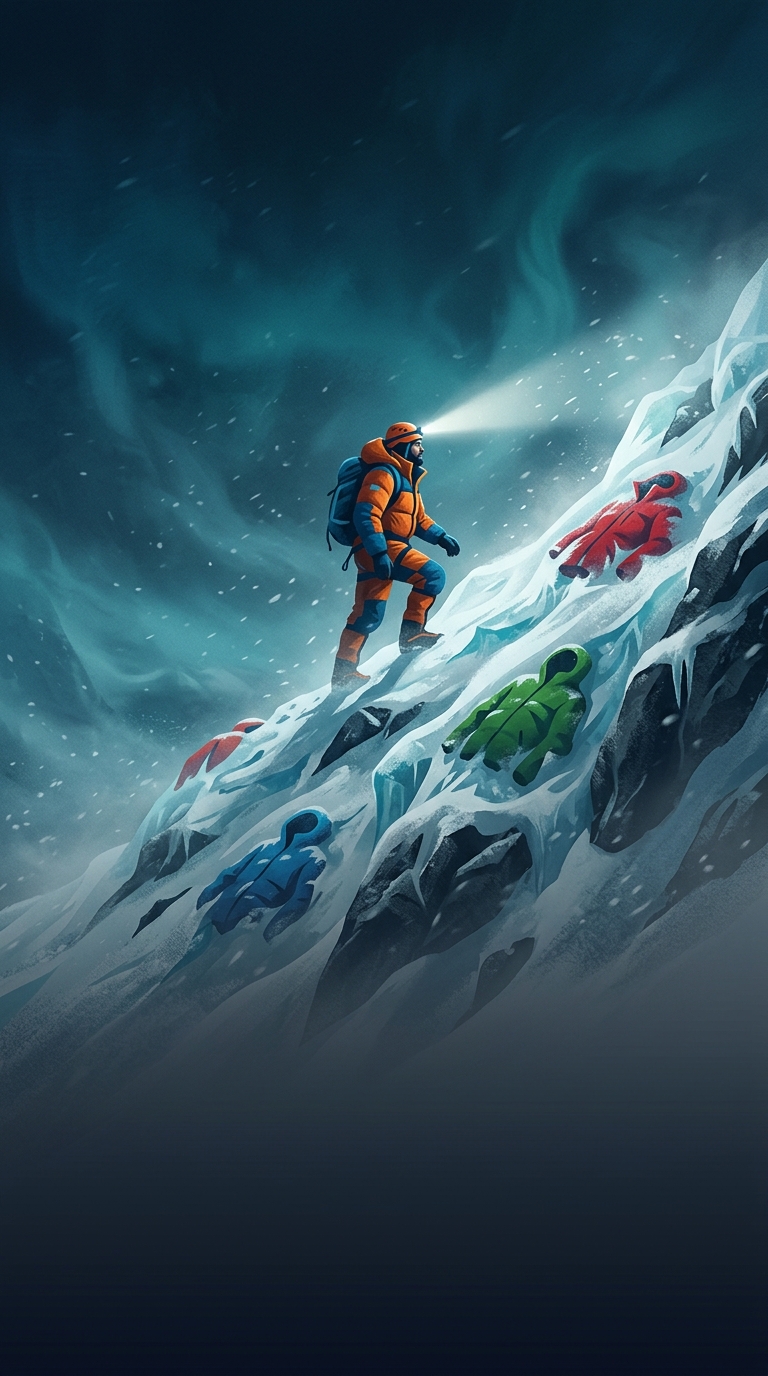
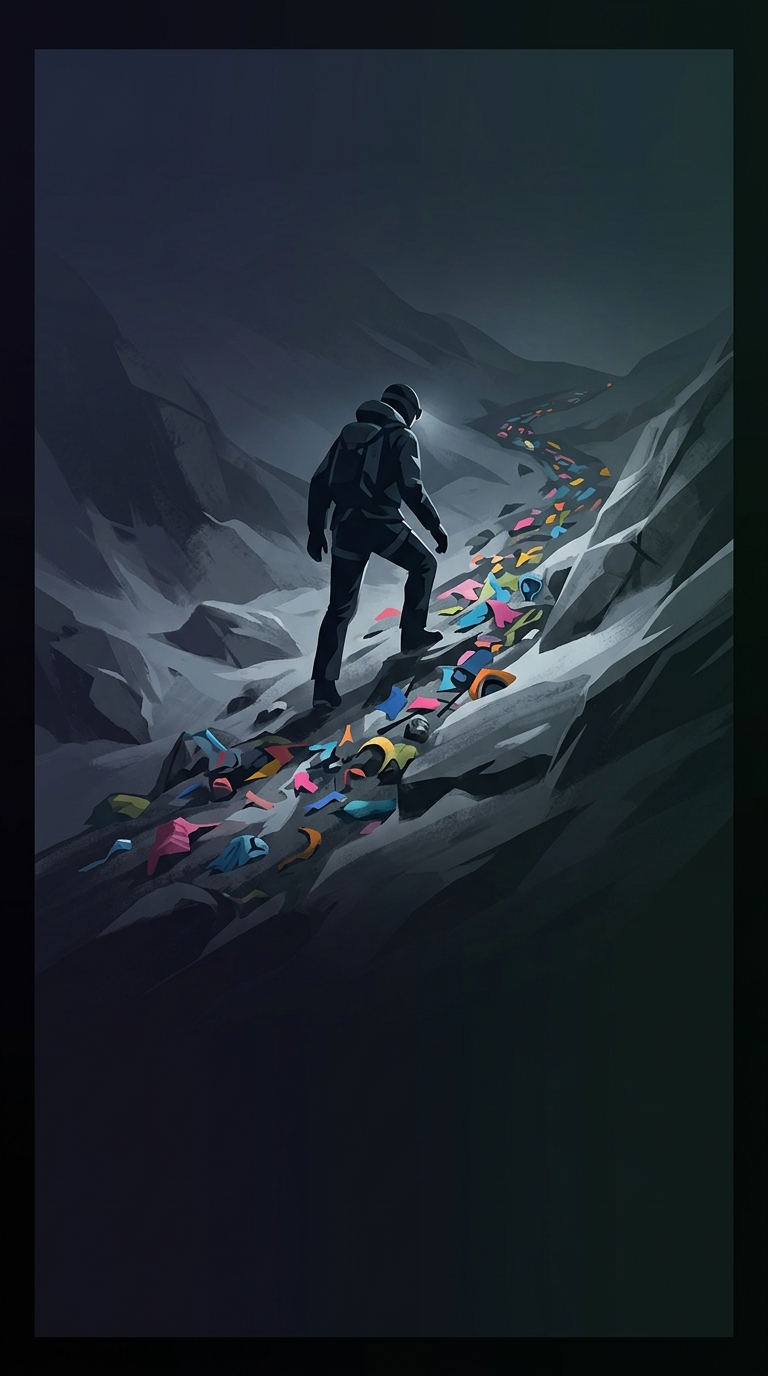
Everest’s “Rainbow Valley” is not a field of brightly colored flowers or a naturally vivid landscape. The name refers to a steep, high-altitude section of the mountain where some climbers who died on the ascent have remained. Their red, yellow, blue, and other brightly colored climbing suits stand out against the snow and rock, giving the area its grim nickname.
Why recovery can be so difficult
At Everest’s extreme elevations, the air contains too little oxygen for the body to function normally. Climbers call the highest region the death zone; fatigue, confusion, and impaired judgment can become severe, even for people using supplemental oxygen. A person who can no longer move under their own power may be impossible to bring down safely.
Retrieving a body is also a dangerous expedition in itself. Helpers must cross exposed, icy terrain while carrying or hauling a heavy load, often at altitudes where each movement demands enormous effort. A recovery attempt can put additional climbers at risk, so some bodies are left where they are.
The name captures a stark contrast: vivid fabric against a largely white mountain. It is a reminder that Everest’s routes are not just difficult to climb—they can be just as perilous to leave.