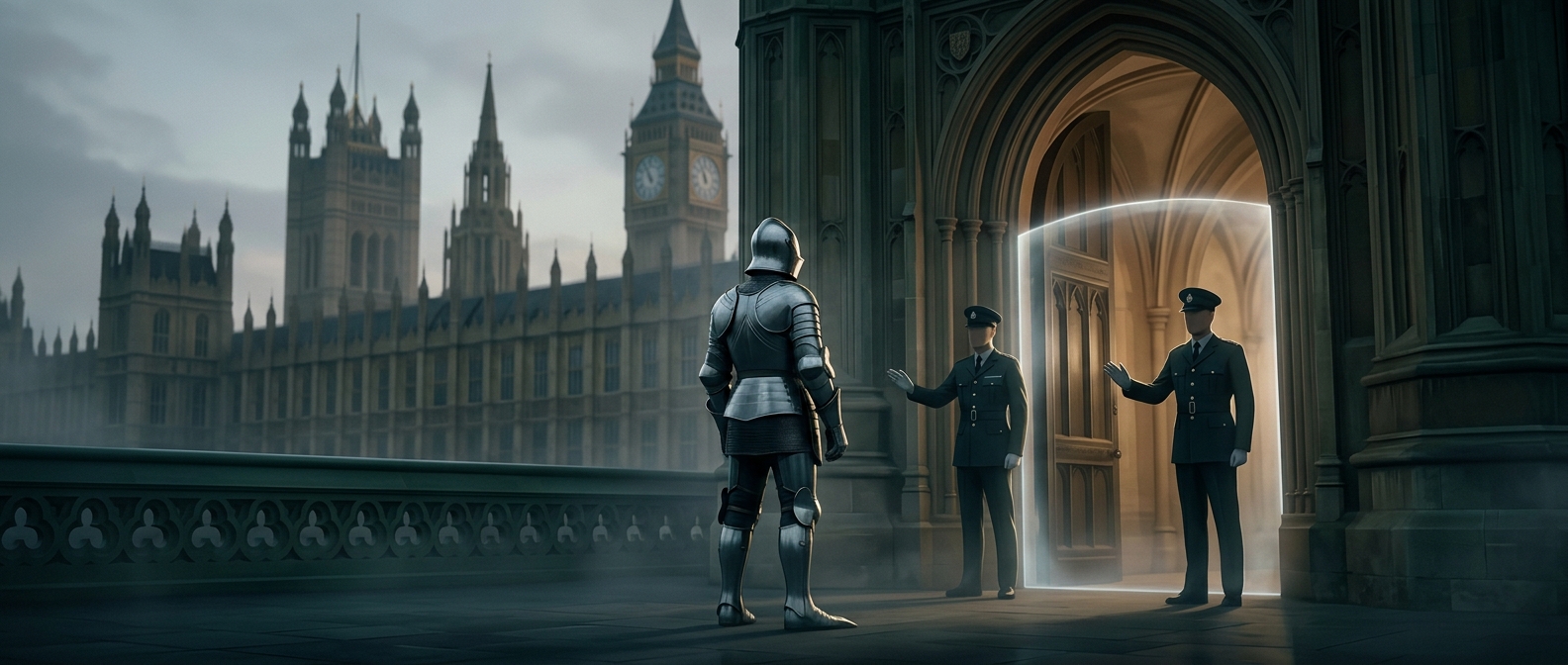
A Medieval Ban on Armed Politics
The 1313 law was aimed at more than an unusual dress choice. In medieval England, a gathering of Parliament could bring the king and powerful political rivals into the same place. Arriving in armor—or with weapons—could turn a dispute into a threat before anyone spoke. The ban treated armed presence as a danger to the proceedings themselves.
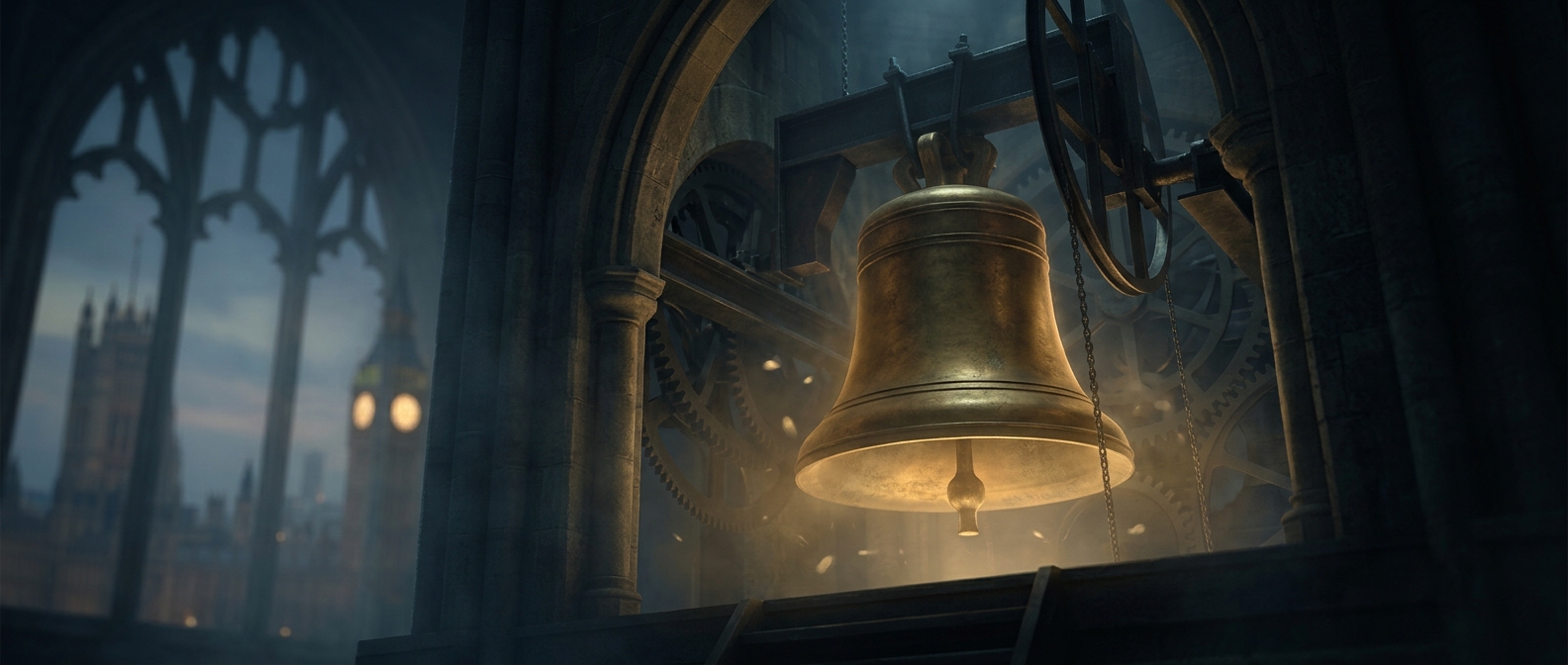
“Parliament” then did not mean today’s permanent chambers and familiar routines. It was an assembly that met at Westminster, where political business depended on people being able to gather without armed intimidation. A rule against armor helped mark the difference between participating in debate and bringing force into the room.
What “Still Illegal” Means
The law’s continued existence is a reminder that old statutes can survive long after the crisis that produced them. Its presence on the books does not mean armored visitors are a routine modern problem, or that the rule is regularly enforced. It means the prohibition has not been formally repealed.
That distinction is what makes the law striking: a modern Parliament still carries a legal trace of a time when political pressure could arrive visibly armed at Westminster. The ban is less about medieval fashion than about keeping force out of politics.