The Sphinx Faces the Giza Neighborhood
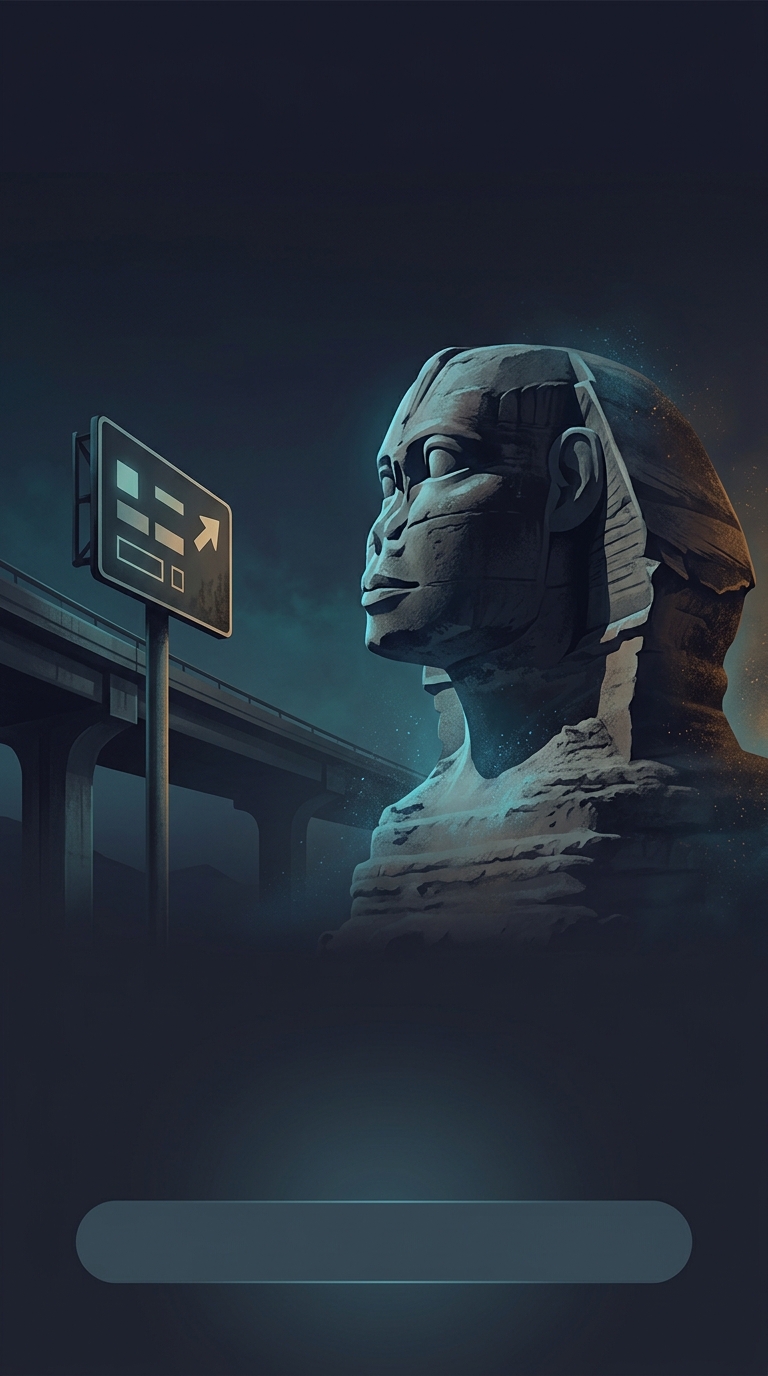
The Great Sphinx faces east, toward the rising sun. But its view is not an uninterrupted stretch of desert: the monument sits at the edge of the Giza plateau, with roads, visitor facilities, and the nearby neighborhood of Nazlet El-Samman in front of it. That everyday cityscape is what tightly framed photographs often leave out.
Why Its Direction Matters
The Sphinx was carved from the limestone bedrock of the plateau, and its eastward orientation connects it to the sunrise. The direction also shapes how visitors encounter the monument: from the east, they see its face against the plateau, while the pyramids rise behind it. A photograph taken from that familiar viewing area can make the Sphinx seem isolated, even though modern Giza is close by.
So the literal answer is less a single famous landmark than the built-up edge of the city. The Sphinx looks east toward the sunrise—and toward the roads and neighborhood at the plateau’s edge.