A slow carriage was an exposed target
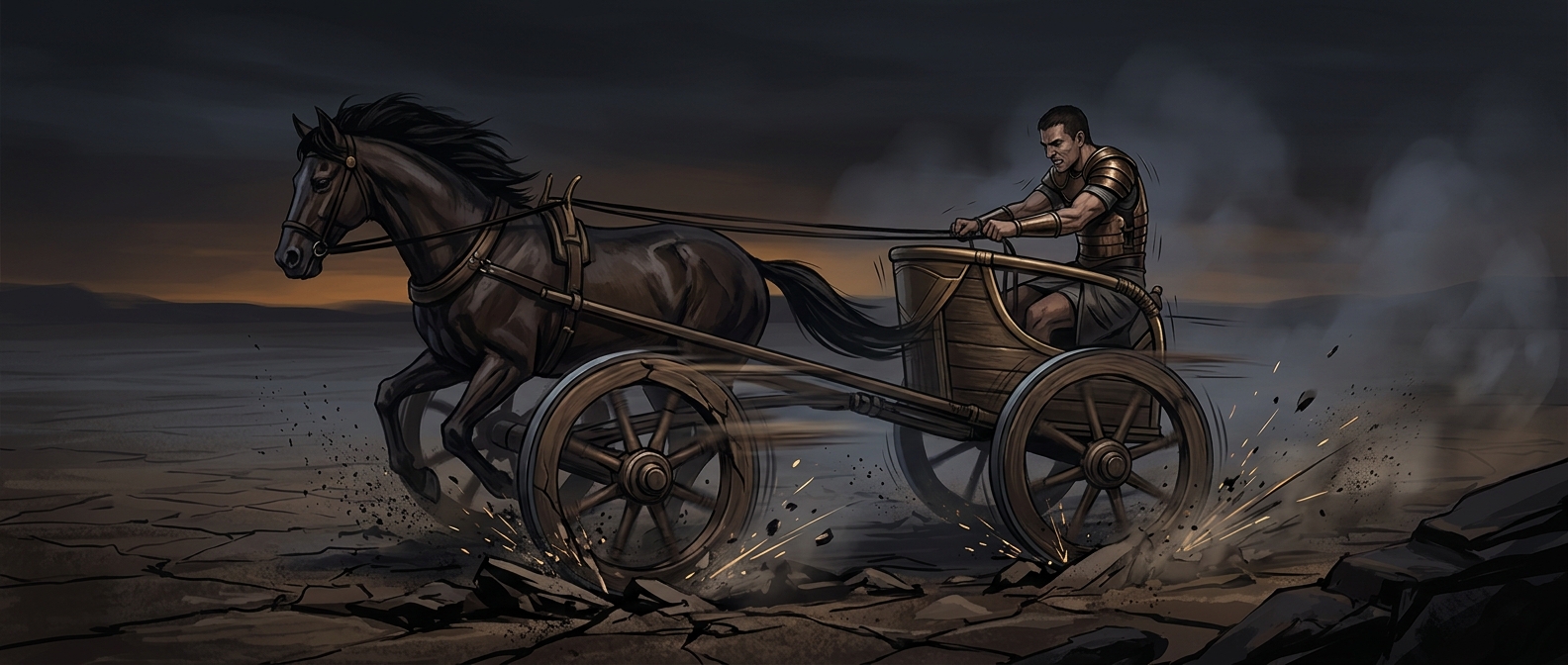
A journey by carriage could leave travelers vulnerable for hours. Poor roads forced vehicles to move slowly, while stretches between settlements offered few places to seek help. A stranded or delayed carriage was especially exposed: its passengers could not quickly escape, and there might be no nearby authority or passerby to intervene.
The guard’s presence was part of the protection
Wealthy travelers hired bodyguards to ride alongside the carriage. Their size and visible readiness served as a warning: attacking the party might mean facing resistance, not simply taking valuables from unprotected passengers. If trouble began, a guard could also defend the travelers or help them get away.
That protection depended on deterrence as much as force. A would-be robber had to weigh the risk of confronting a guarded party against the potential gain. The guard did not make a rough, isolated road safe; he made an easy target look less easy.
Security traveled with the passenger
Before dependable roadside assistance, a traveler’s safety could depend on who came along for the ride. Hiring a guard turned the carriage itself into a more visibly defended party—an expense that made sense to people carrying enough wealth to attract attention.