How a drilling accident became a desert landmark
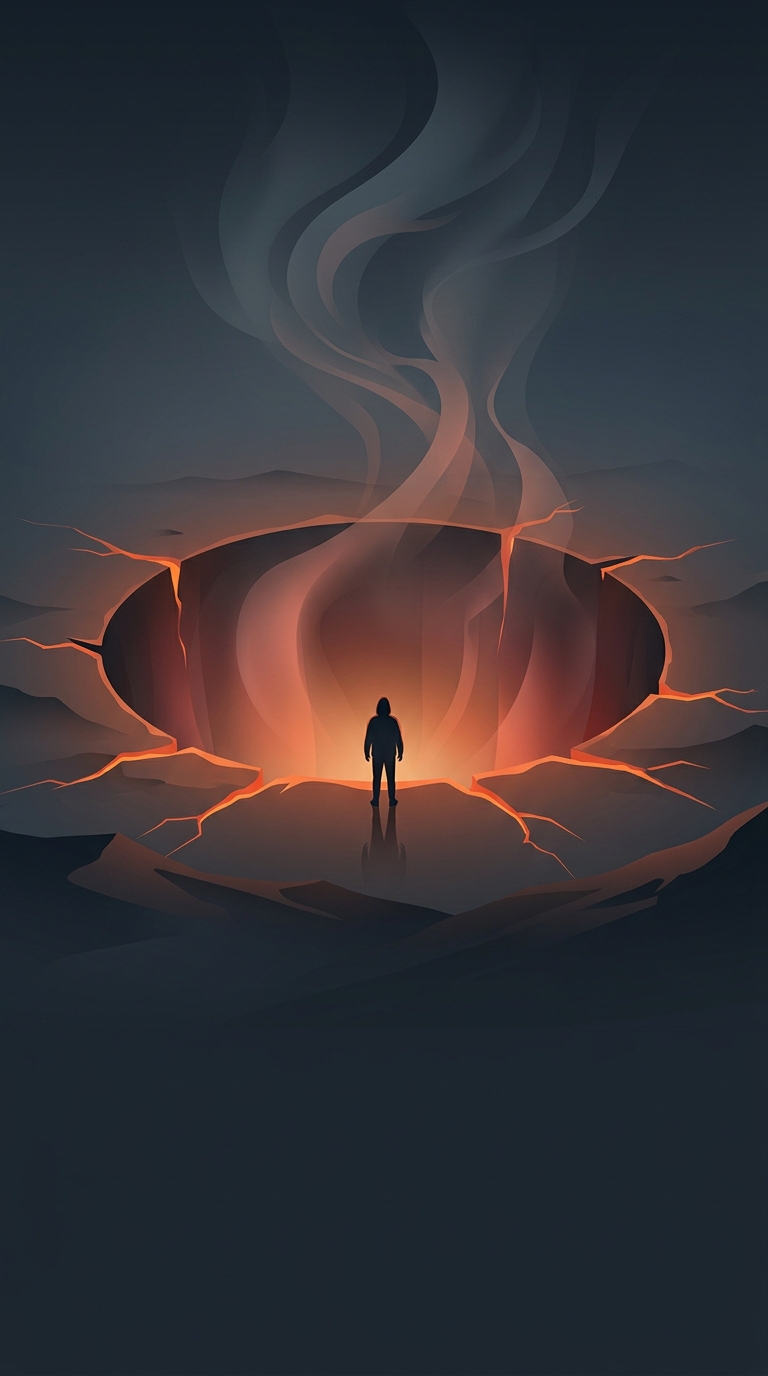
The Darvaza gas crater lies in Turkmenistan’s Karakum Desert, where natural gas is trapped beneath layers of earth. The commonly reported story traces the crater to a Soviet-era drilling operation in 1971: the ground gave way beneath the equipment, opening a hole into a gas-filled cavity. To keep escaping gas from spreading, workers set it alight, apparently expecting the supply to burn off. Instead, flames continued to feed on gas rising from below.
That origin story explains both the crater’s unusual appearance and its persistence. It is not a volcano or a pool of molten rock; it is a collapsed opening where leaking natural gas burns in the open air. The flames and heat are easiest to notice after dark, when the surrounding desert offers little competing light.
The desert shapes the visit
Darvaza is far from a conventional town-center attraction. Reaching it means traveling into a vast, sparsely settled desert, so the experience is bound up with the landscape around the fire: open ground, a dark horizon, and the glow of combustion visible from a distance. Visitors should treat the rim as hazardous rather than as a place to approach casually; unstable edges, intense heat, and gas make close-up exploration risky.
The crater is striking partly because it makes an invisible resource visible. Gas that would otherwise seep out of the earth becomes a field of flames, turning an industrial mishap into a destination—and a reminder that even a remote landscape can be reshaped by what lies beneath it.