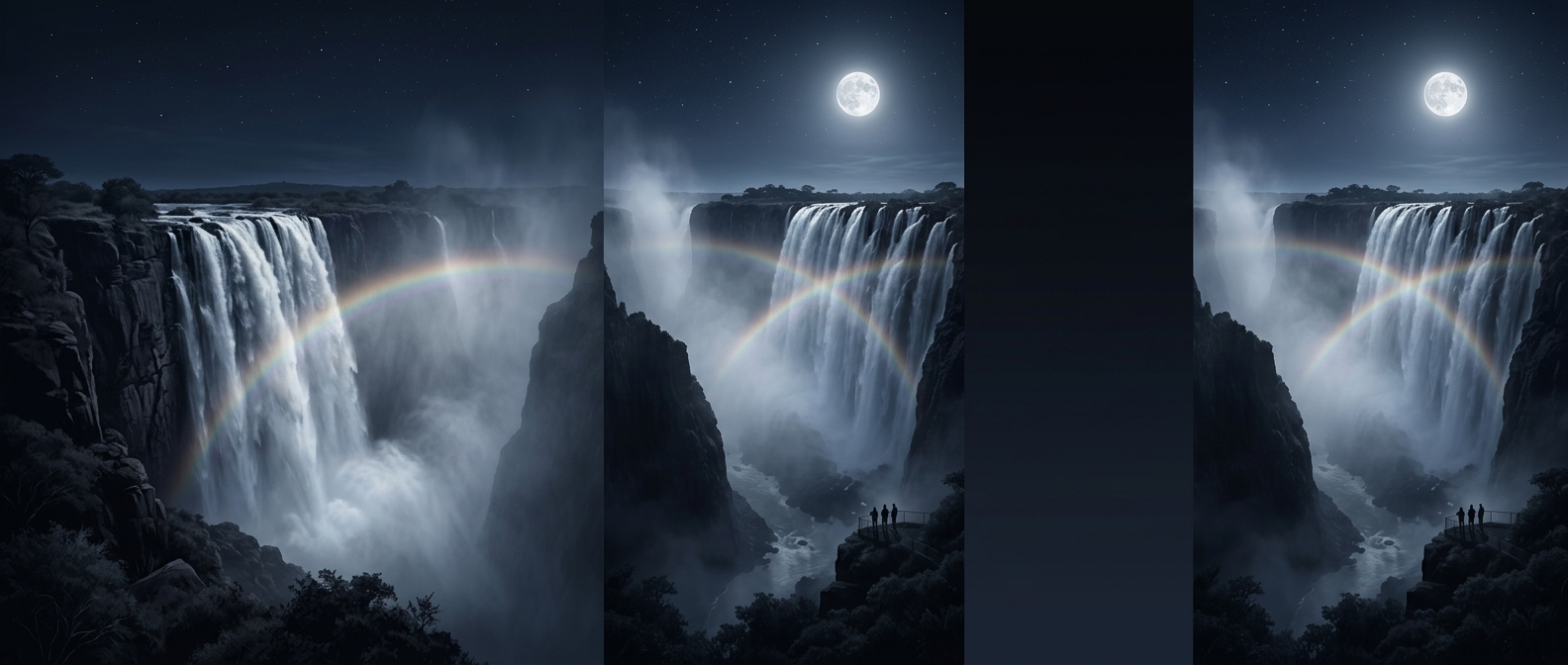
Snowmelt is Yosemite’s seasonal water supply
Many of Yosemite Valley’s most dramatic waterfalls are powered less by steady springs than by water moving off the Sierra Nevada. In winter, snow accumulates across the high country. As temperatures rise in spring, meltwater gathers in creeks and runs over the cliffs into the valley. That is why falls such as Yosemite Falls are often strongest in late spring, when the flow can swell with the day’s warmth.
The creek fades as the snowpack disappears
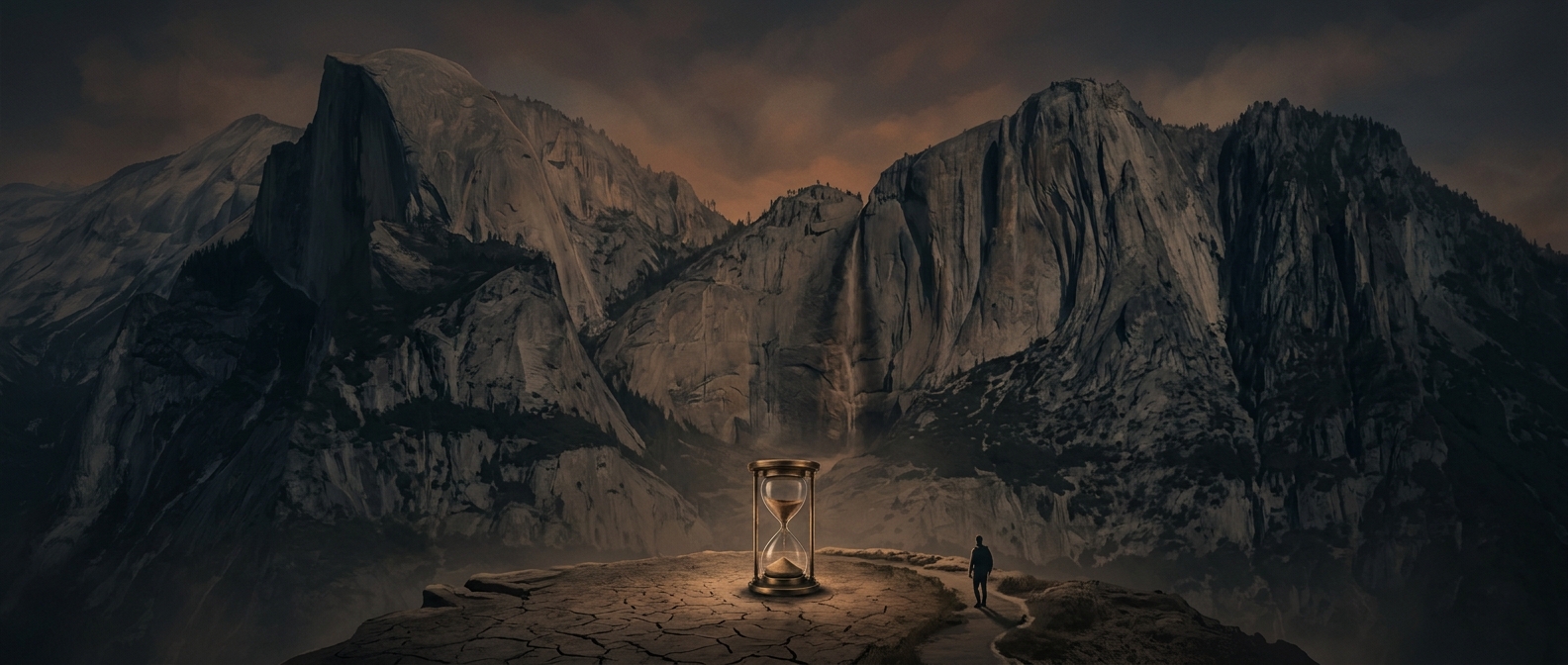
By summer, the snow that feeds a creek may be mostly gone. With less water entering its channel—and little rain to replace it—the creek can shrink until it no longer spills over the cliff. The waterfall’s route remains etched into the granite, but the moving water does not. Falls fed by more persistent sources can keep running, so the change does not happen to every Yosemite waterfall at the same time.
The bare rock is part of the seasonal rhythm: a cascade can be a powerful river in spring and a dry cliff later in the year, without the landscape itself changing.