Why Iceland’s mosquitoes struggle to get through a season
Mosquitoes need more than warm weather: most species spend part of their life cycle in standing water, where eggs hatch and larvae develop before emerging as flying adults. In many cold regions, they survive winter in a dormant stage, then resume development when conditions improve.
Iceland’s maritime climate can make that seasonal sequence unusually unreliable. Temperatures may swing between freezing and thawing, so pools and other small water habitats can repeatedly freeze and open again. A mosquito’s development depends on those habitats remaining suitable long enough; abrupt changes may disrupt the cycle before a new generation can emerge. This is a leading explanation for the country’s lack of established mosquito populations, though the precise reason is not fully settled.
A specimen, not a local population
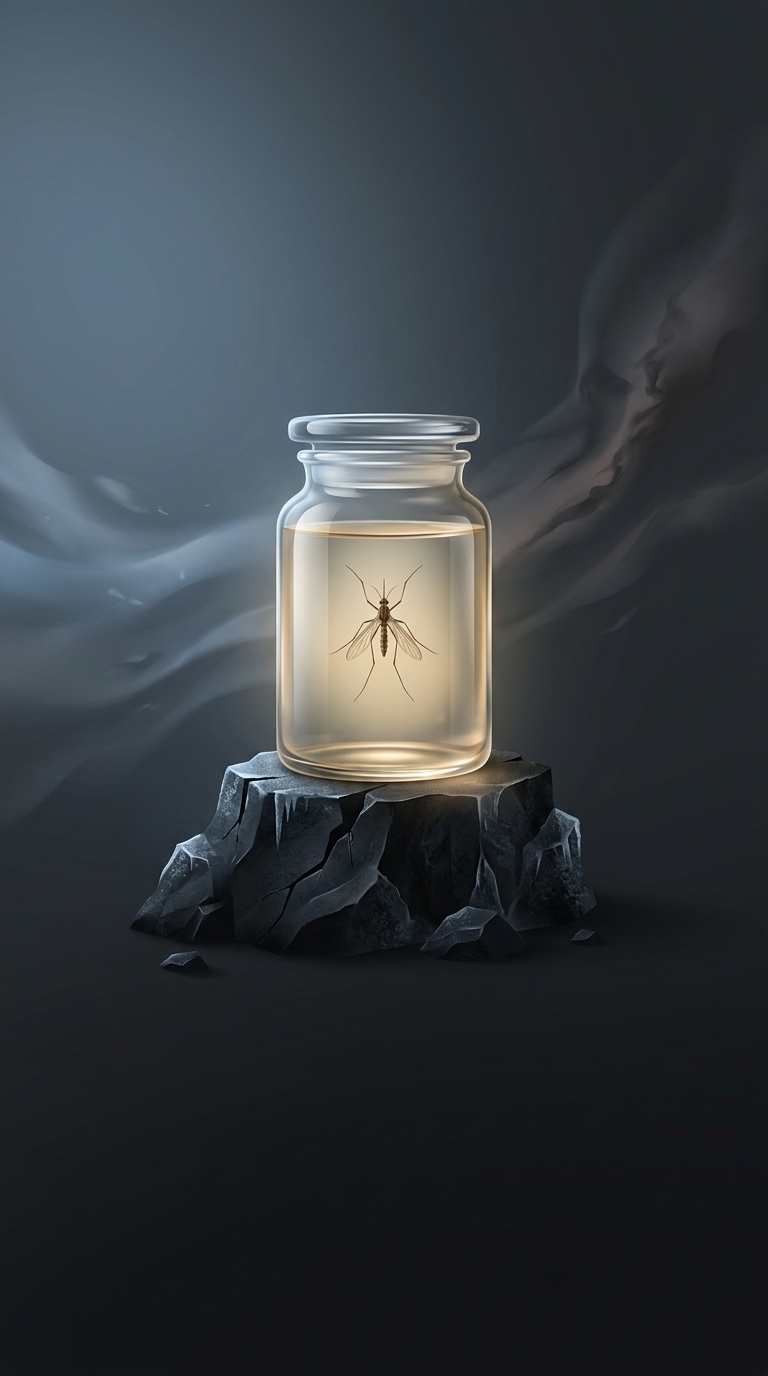
The occasional mosquito can still arrive by chance, for example by traveling with people or cargo. A specimen found in Iceland in the 1980s was preserved in alcohol, but a single insect does not mean mosquitoes have taken hold. Establishing a population requires adults to find suitable breeding water, reproduce, and have their offspring survive the local conditions.
That distinction is what makes Iceland’s mosquito-free reputation meaningful: it is not that no mosquito could ever cross the island’s borders, but that the insects have not formed the familiar seasonal swarms found in many other northern places. A visitor can look over a wet Icelandic landscape and still find that the ponds and pools do not reliably provide mosquitoes with the uninterrupted nursery their life cycle requires.