How an Island Became a Snake’s Habitat
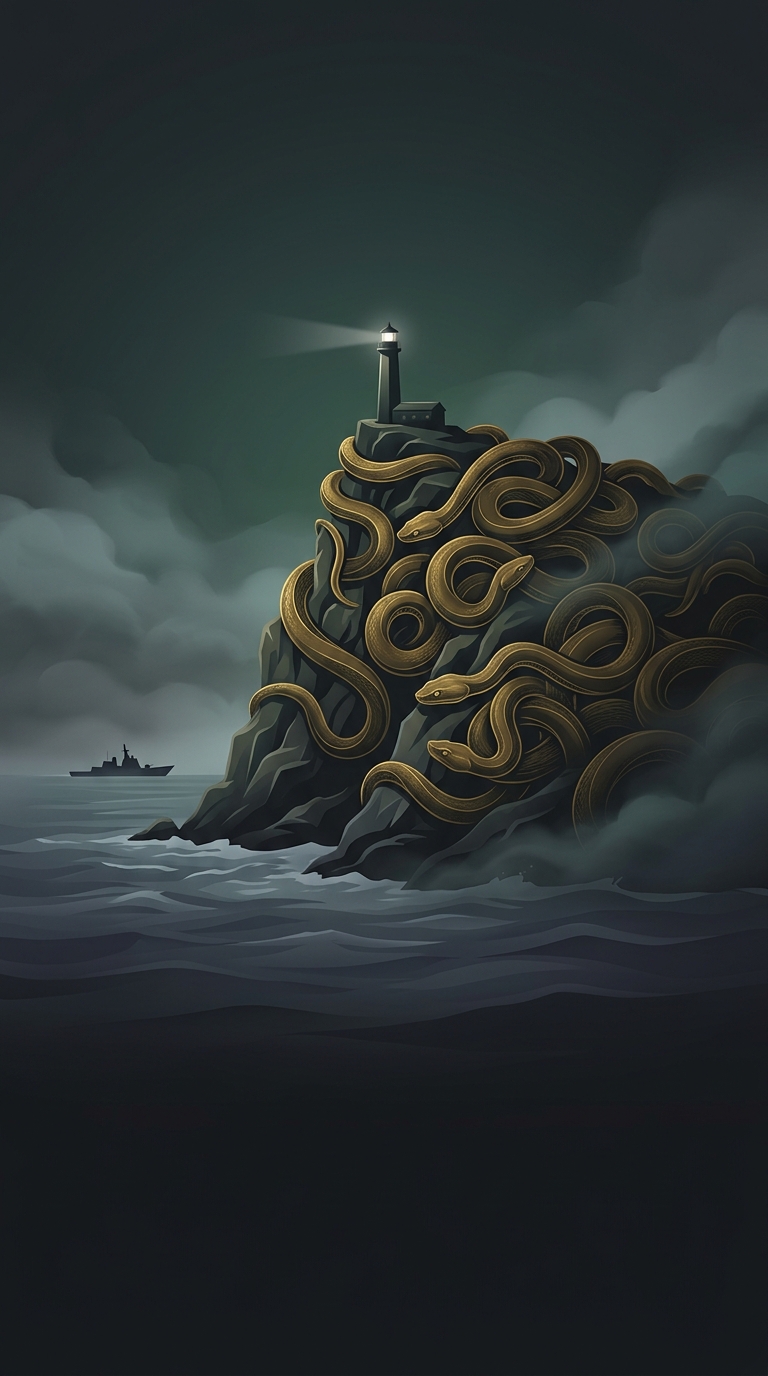
About 90 miles off São Paulo state, Queimada Grande is a small, rocky island separated from the Brazilian mainland by open water. That separation is the key to its unusual wildlife: golden lanceheads evolved there in isolation, rather than as part of a population that could freely mix with mainland snakes.
The island offers little room for large land animals, so the snakes’ food supply is closely tied to what arrives from the sea and sky. Young lanceheads can eat smaller prey, while adults rely heavily on migratory birds that stop on the island. A bird is a difficult meal to hold on to; the snake’s venom helps subdue prey quickly before it can escape.
Why Access Is Carefully Controlled
The island’s reputation is dramatic, but the restrictions have a practical purpose beyond keeping visitors away from venom. A rare species confined to one small place is vulnerable to disturbance and habitat damage. Unregulated landings could also put people at risk, since there is no ordinary tourist infrastructure or nearby emergency care on the island.
Researchers who visit need authorization and specialized preparation. Their work can help track the snakes and the condition of their habitat, while limits on access reduce unnecessary contact. This makes Queimada Grande less a destination than a protected field site: the same isolation that shaped the lancehead population also makes the island especially important to conserve.
The Cost of Being Found Nowhere Else
Because the golden lancehead lives naturally only on Queimada Grande, threats to the island can become threats to the species itself. Its story is a reminder that a place’s most striking feature may also be its most fragile: here, the perilous crossing that keeps casual visitors away has helped preserve a singular island ecosystem.