A continent with no single clock
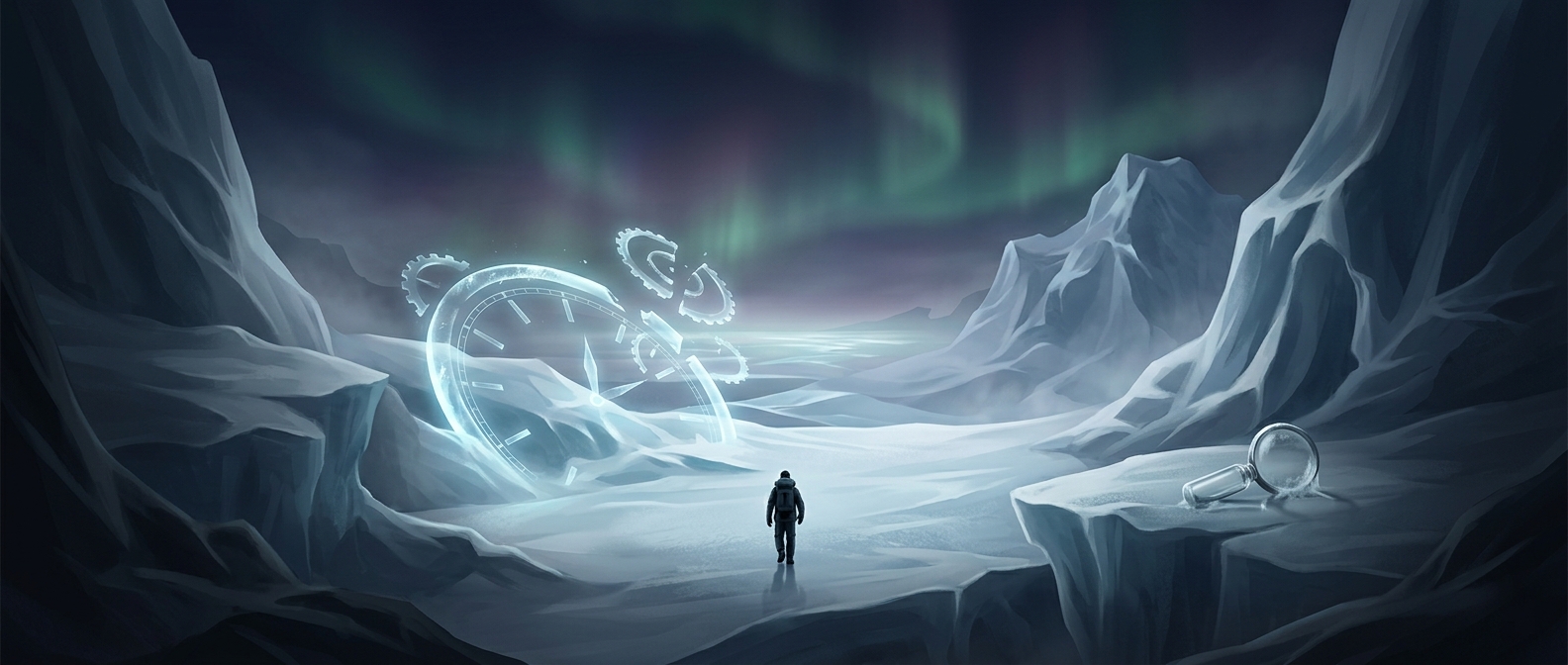
Antarctica stretches across every line of longitude, so a map-based time-zone system would divide it into many zones. But the continent has no permanent civilian population or central government that sets one time for everyone. Instead, research stations choose a clock that makes daily life and coordination workable.
That choice often follows a station’s links to the outside world: its supply flights, ships, or managing country. Nearby bases can therefore keep different local times. On a polar expedition, the time on a wall clock is less a property of the ice beneath it than a practical decision about whom the station needs to coordinate with.
Why ants have not made it there
Ants are remarkably successful on most continents, but Antarctica’s combination of cold, limited food, and isolation makes it a poor place for a colony to establish itself. Unlike a stray ant that might arrive with cargo, a colony needs suitable conditions over time: food, nesting sites, and temperatures that allow its members and brood to survive.
The ocean and surrounding ice also make natural arrival difficult. Antarctica does have small native land animals, including insects, but its terrestrial life is sparse and adapted to severe conditions. No ant species is native to the continent. The contrast is striking: humans can bring a chosen clock wherever a station is built, but an insect colony cannot simply adapt to a schedule—it must survive the environment itself.