Why Antarctica’s Floating Ice Matters to Faraway Coasts
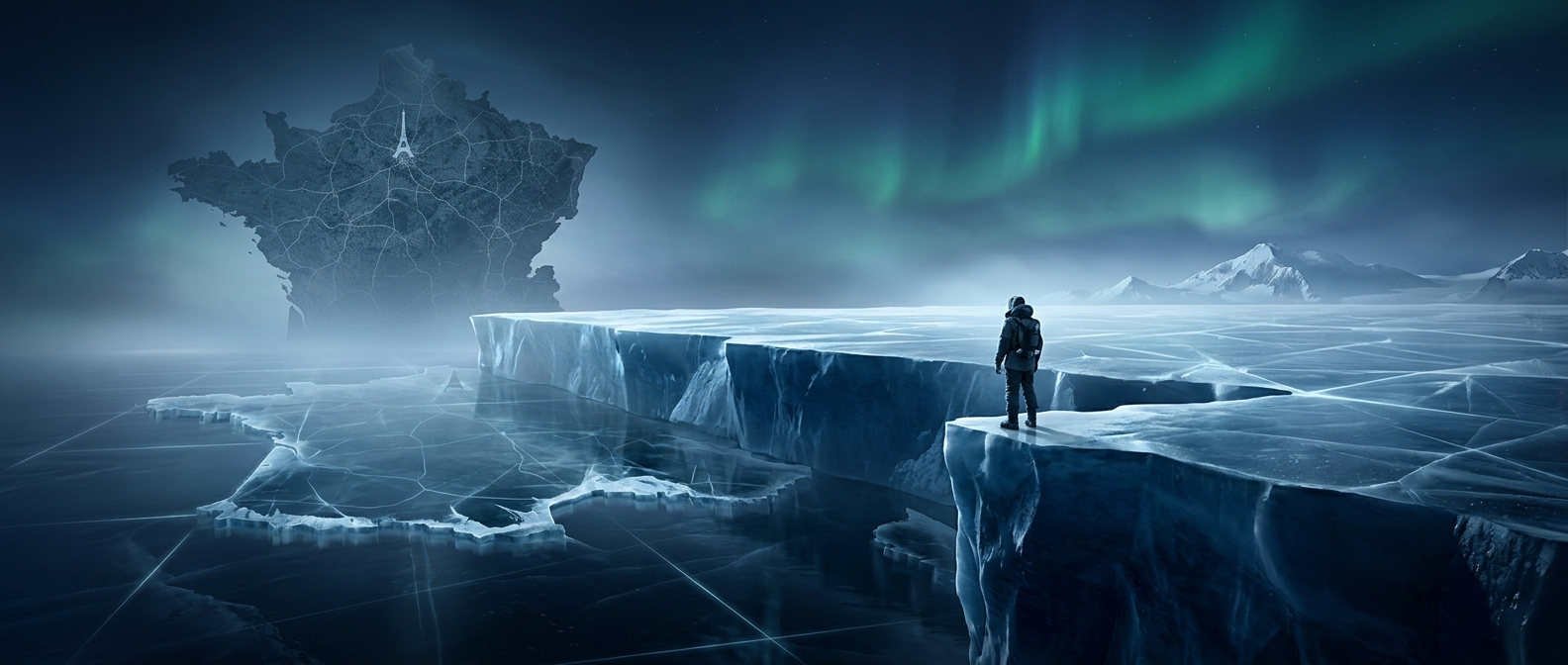
An ice shelf is a thick platform of ice that extends from land over the ocean. The Ross Ice Shelf, Antarctica’s largest, covers an area comparable to France. Though it floats, it remains connected to the ice sheet and glaciers on the continent, so it can influence how quickly that land ice moves seaward.
The Shelf Acts Like a Brace
Glaciers continually carry ice from Antarctica’s interior toward the coast. Where they meet the ocean, an attached shelf can press against islands and the seafloor, resisting that outward flow. This supporting effect is called buttressing: the shelf acts like a brace, slowing the grounded ice behind it.
If a shelf breaks up or retreats, that resistance can weaken. Some land-based ice may then flow into the ocean faster. Unlike the floating shelf itself, ice that was resting on land adds water to the sea when it enters the ocean, contributing to sea-level rise.
The Important Distinction
The floating shelf’s disappearance would not, by itself, raise the sea by an amount equal to its enormous volume; floating ice already displaces ocean water. The larger concern is what might follow if losing the shelf allows more grounded ice to escape. The effect would depend on how the connected glaciers respond, so a breakup would not automatically translate into an immediate, France-sized surge of water.
That distinction is why a vast floating slab can matter to coastlines thousands of miles away: its influence lies less in the water it already floats in than in the land ice it may help hold back.