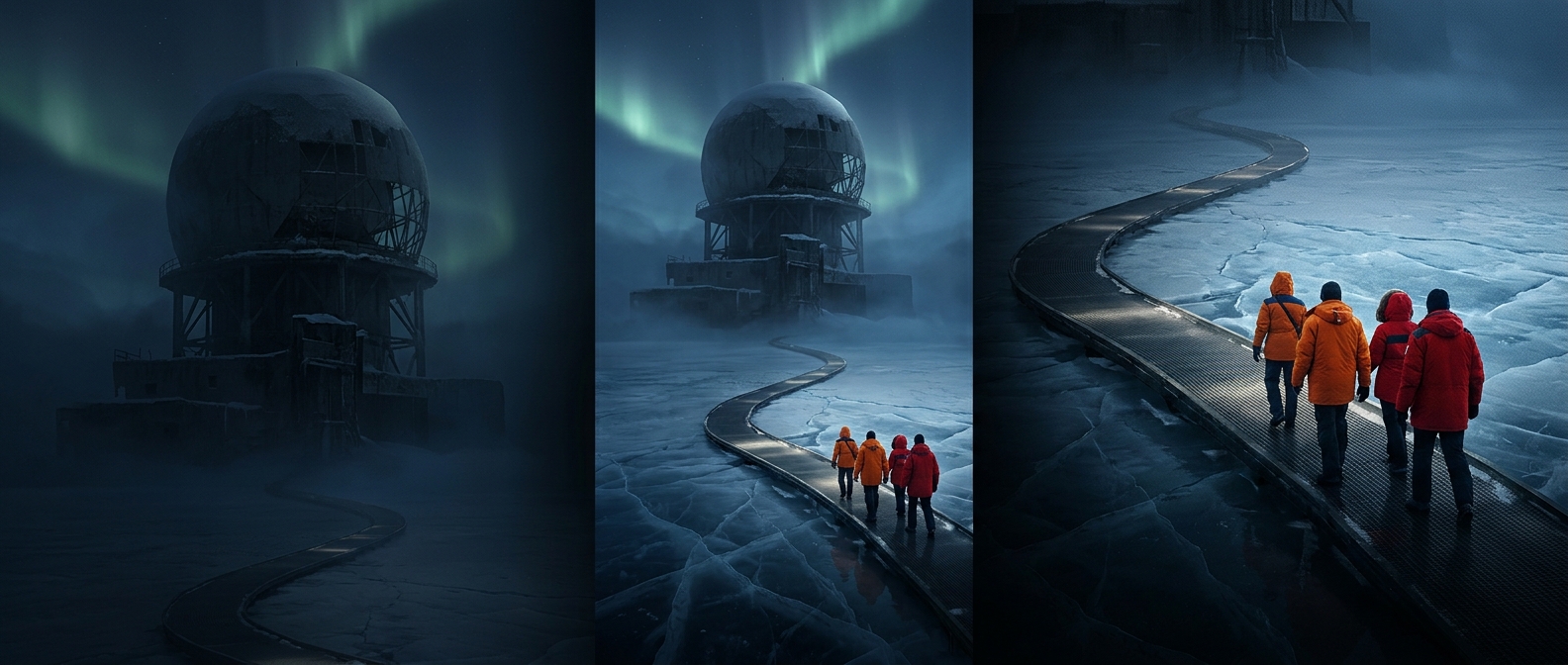
Research infrastructure opened a path to tourism
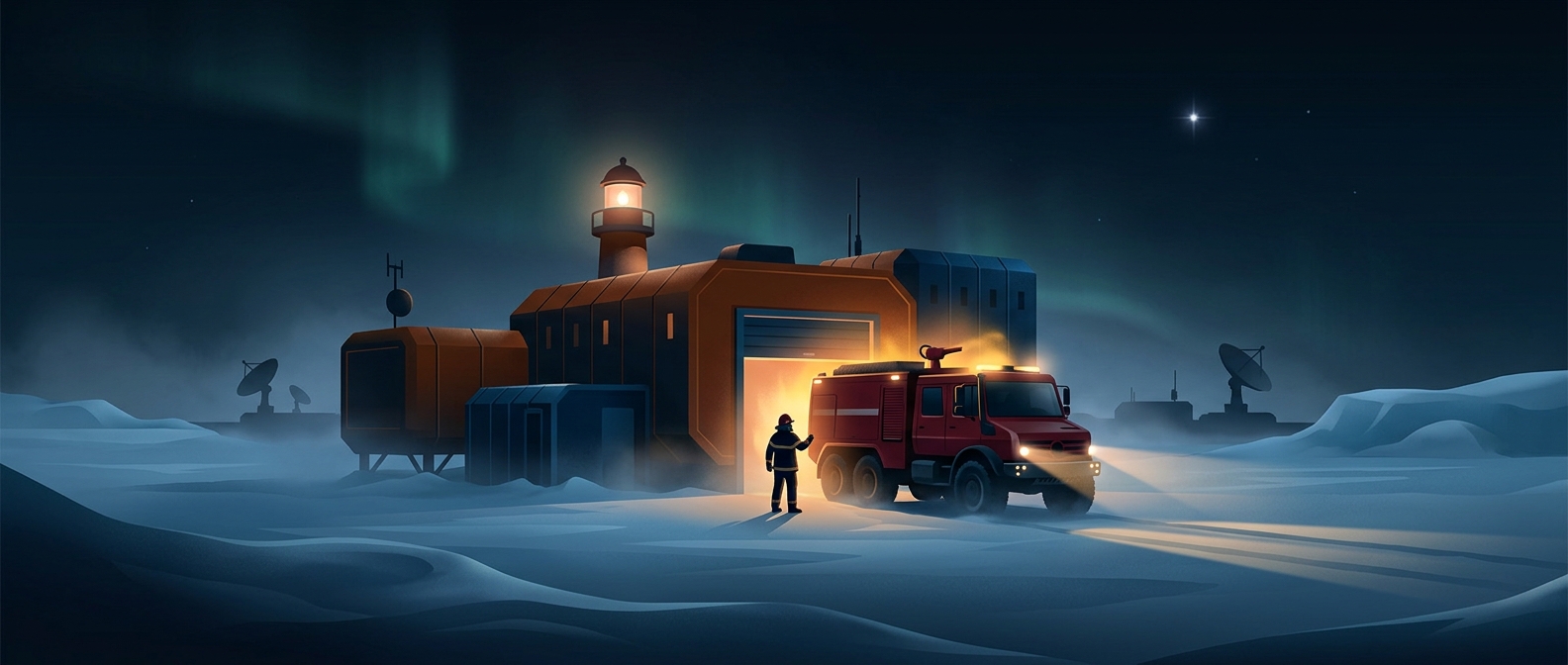
Antarctica did not become accessible to visitors simply because scientists built places to stay. The International Geophysical Year, a coordinated period of scientific research in 1957–58, expanded the practical ability to work on the continent. Research stations, airstrips, communications, and supply operations helped teams reach and remain in a place with no ordinary roads, towns, or service network.
Those facilities were built for research, not sightseeing. But they added something later expeditions needed: a foothold in an otherwise difficult-to-support environment. Air access could help move people and equipment; bases and communications could support operations far from established ports and cities.
From scientific logistics to visitor expeditions
Commercial operators could build on that accumulated capacity rather than create every capability from scratch. They still had to organize transport, supplies, and safety for visitors, often using ships as the main way to reach the Antarctic coast. Research infrastructure was one part of a broader logistical foundation—not a ready-made tourist system.
That distinction explains how a remote research frontier could also become a destination. The facilities made expeditions more feasible, while the journey remained dependent on specialized planning and access to a continent with no conventional tourist infrastructure. A research airstrip or base could serve a later expedition’s logistics, but it did not turn Antarctica into a place visitors could reach on their own.