How a suitcase can carry a seed to Antarctica
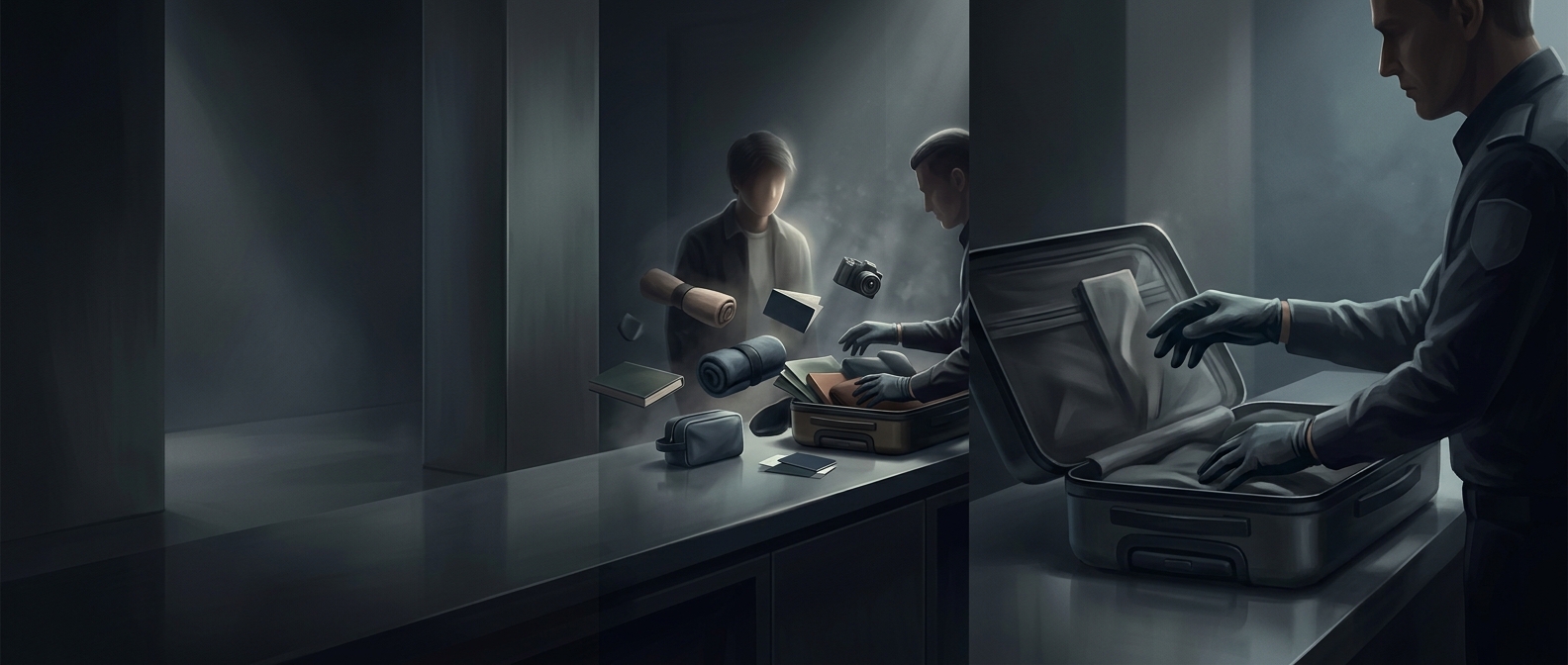
A seed does not need to be visible or deliberately packed to travel. It can cling to a boot sole, lodge in a backpack seam, or hide in dust caught around a suitcase wheel. Soil and plant fragments can hitchhike in the same places. Cleaning luggage and other equipment before a trip removes these stowaways before they reach the continent.
That matters because Antarctica’s native life is sparse and adapted to severe conditions. In places where plants do grow, a newcomer could compete for limited space and resources or introduce organisms that were not part of the local ecosystem. Even a small contaminant can be consequential when it reaches a habitat with few species and little natural disturbance.
The weak spots are easy to miss
A quick glance may catch mud on the outside of a bag but miss seeds trapped in fabric folds, pockets, fasteners, or wheels. Careful cleaning targets those hiding places; checking clothing and footwear matters for the same reason. The aim is not to make luggage look tidy, but to prevent ordinary travel gear from becoming a transport route for living material.
Once a seed has been carried across the ocean, removing it from a remote landing site may be far harder than keeping it out in the first place. That is why Antarctic visitor rules treat clean equipment as part of protecting the destination, not merely preparing for the journey.