Why Border Officers Look Inside Bags
A piece of fruit or a handful of seeds can carry more than food. Insects may hide in a fruit’s skin, while plant diseases can travel on leaves, roots, or soil clinging to shoes and equipment. These hitchhikers may be hard to spot and could threaten crops or natural habitats if they become established somewhere new.
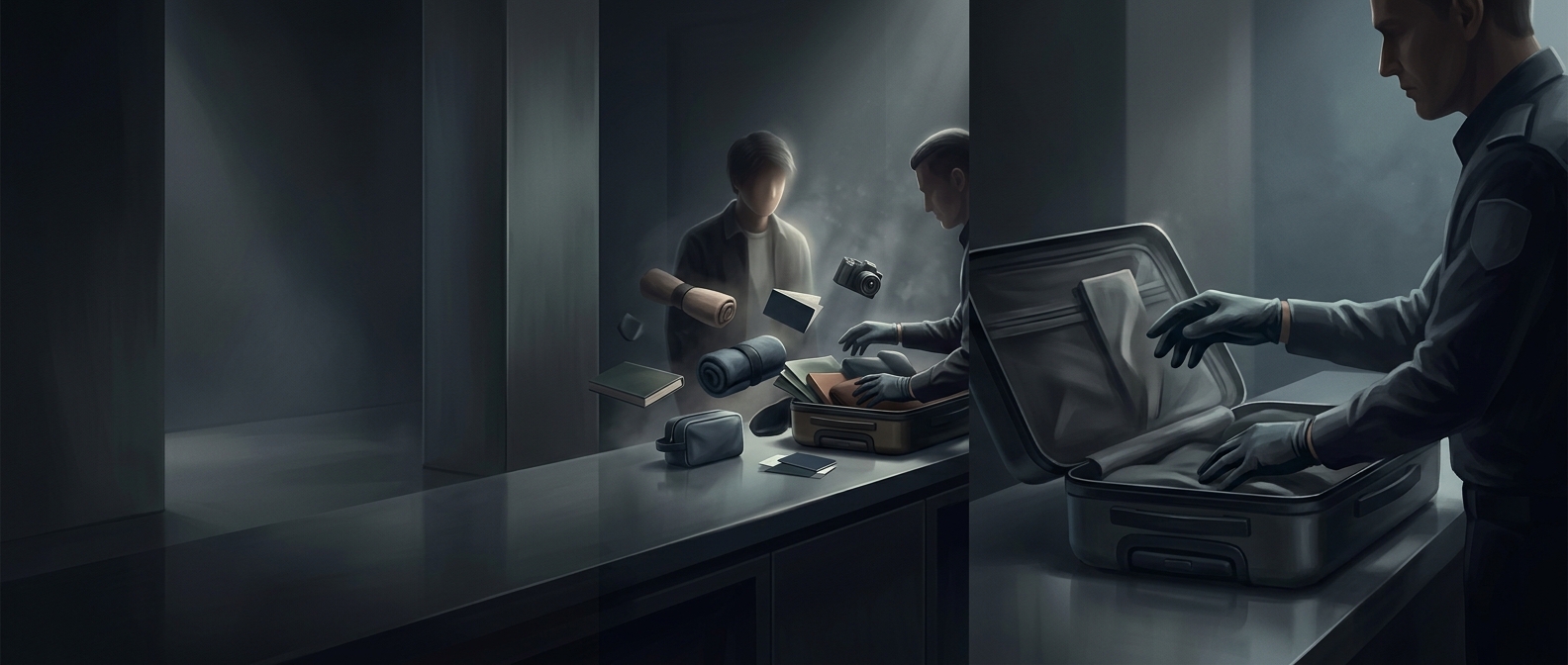
That is why agricultural checks focus on what travelers are carrying, not just what they intend to do with it. Officers may ask about food, plants, seeds, or animal products and inspect bags when needed. The contents can reveal risks that a traveler would not recognize—for example, a small amount of soil or an unmarked packet of seeds.
What Happens to a Risky Item
An item that cannot be brought in may be refused entry or taken for disposal; the precise rules depend on the destination and the item. Declaring something gives officials a chance to assess it. It does not necessarily mean it will be allowed, but it helps keep a forgotten snack or souvenir from slipping through unnoticed.
The awkwardness of having a bag searched is part of a preventive system: officials are trying to intercept a possible pest or disease before it reaches farms, gardens, or wild plants. A single ordinary-looking item can be the reason a border inspection matters.