How a rainforest river gets dangerously hot
The heat comes from below ground, not from sunlight warming the water or a nearby volcano erupting. Rainwater can seep into cracks in the Earth’s crust, descend into warmer rock, and rise again through faults—fractures that let water move between underground layers. If enough heated water enters a river, it can raise the temperature along sections of its course.
The river Andrés Ruzo studied is striking because it lies far from an active volcano, where people might expect geothermal heat to be concentrated. Its warmth points instead to a less obvious underground route: heat stored in the crust can reach the surface through circulating water even without a volcano beside the river.
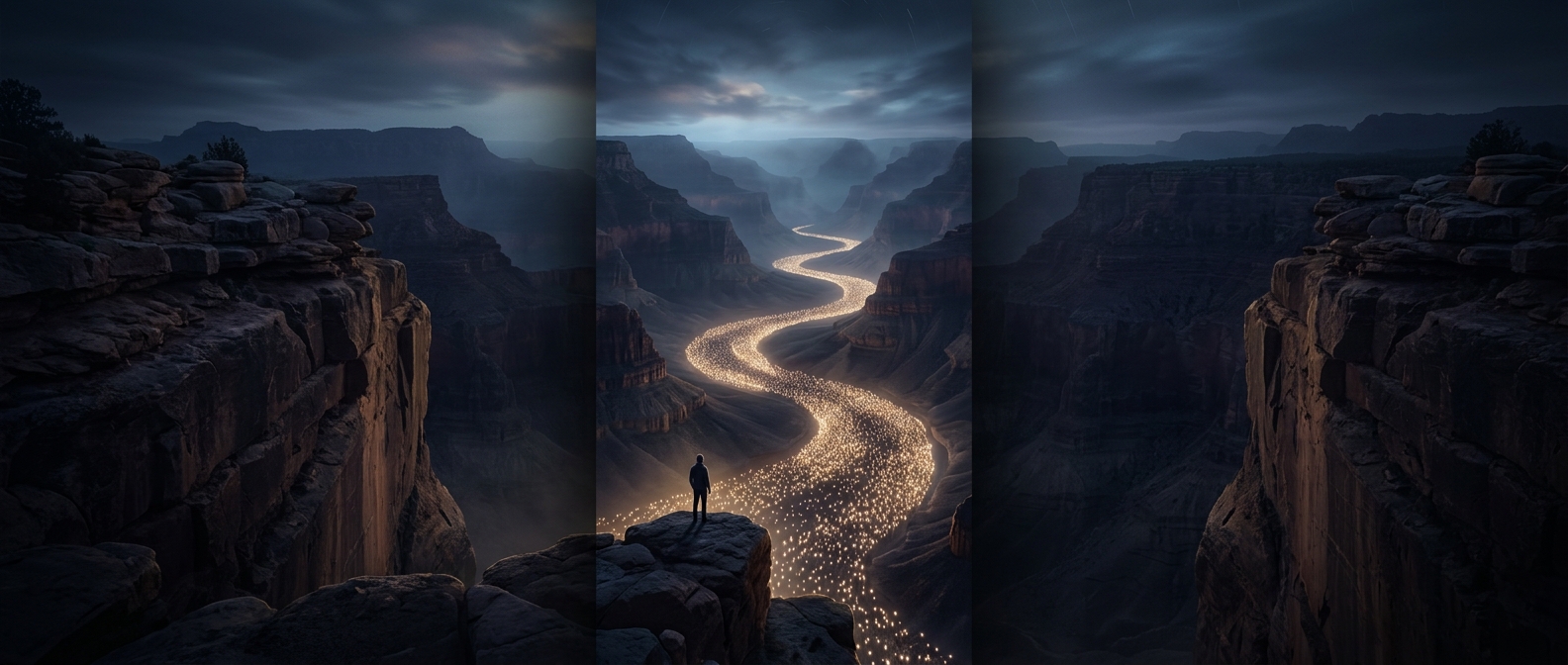
The river’s course makes the heat visible
A river is constantly mixing water from different sources. Cooler rain and tributaries can dilute hot inflows, while new geothermal water can replenish them downstream. That means temperatures vary from one stretch to another; an average of about 190–195°F describes water Ruzo measured, not necessarily every point in the river. At those temperatures, contact can cause severe scalding, so the hot sections are not simply warm swimming spots.
A place with meaning before measurement
Local people knew the river long before scientific investigation and regard the landscape as sacred. That history matters: the river was not an undiscovered curiosity waiting for outsiders to give it significance. Ruzo’s measurements added a scientific question—how heat reaches the water here—alongside a place already understood through local knowledge and tradition.
The remarkable detail is that a river can reveal what is happening beneath the forest: water carries underground heat back to the surface, turning an ordinary-looking channel into a visible trace of the Earth’s hidden plumbing.